
Main Courses
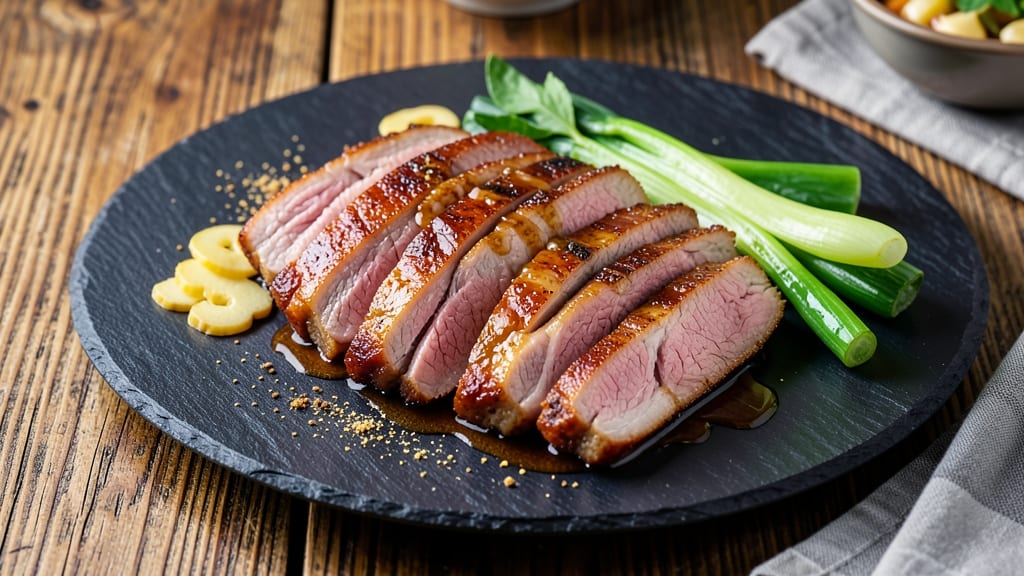
This chashu pork tenderloin recipe transforms humble pork into restaurant-worthy silky perfection with a five-spice crust that crackles like autumn leaves. 🔥 I developed this after years of perfecting braising techniques in my Atlanta kitchen—where pork is king—and it’s the dish that finally convinced even my most skeptical guests to try chashu.
The secret? A slow braise that renders fat into flavor while keeping the meat tender and pink at the center, wrapped in a crust that’s both aromatic and addictive.
The magic happens in three stages: marinating the tenderloin with soy, sugar, and five-spice powder (star anise, cinnamon, cloves, fennel, and Sichuan peppercorn), then braising it low and slow until it’s fork-tender.
What sets this apart is the crispy five-spice crust—achieved by searing the marinated pork in a hot pan before braising—adding texture and depth that store-bought versions can’t match. It’s the kind of dish that makes your kitchen smell like a dim sum parlor, but with a Southern twist.
By the time it’s done, you’ll have silky, pink pork that shreds effortlessly, with a crust so flavorful it’ll disappear faster than the last slice at a BBQ competition.
The braising liquid reduces into a glossy glaze that clings to every bite, balancing sweet, smoky, and umami notes in perfect harmony. This isn’t just pork—it’s a showstopper that pairs beautifully with steamed rice, quick-pickled vegetables, or even a simple arugula salad to cut through the richness.
Confession: I’ve made this recipe at least twice a week since perfecting it, and it’s become the centerpiece of my menu at The Smoky Pig. The beauty? It’s foolproof—no fancy equipment, just time and patience. Let’s get cooking.
Ingredients for chashu pork tenderloin
This silky chashu transforms humble pork into restaurant-quality magic with just twelve ingredients.
| Ingredient | Amount | Notes |
|---|---|---|
| Pork Tenderloin 🥩 | 2 lb | Center-cut, trimmed of fat |
| Kosher Salt 🧂 | 1 ½ tbsp | Diamond Crystal preferred |
| Black Peppercorns 🌶️ | 1 tbsp | Freshly cracked preferred |
| Five-Spice Powder 🌿 | 1 ½ tbsp | Homemade or quality store-bought |
| Coconut Aminos 🍶 | ½ cup | Or sub with soy sauce |
| Fresh Ginger 🧅 | 2 tbsp | Finely grated, peel on |
| Brown Sugar 🍚 | ¼ cup | Light or dark preferred |
| Garlic Cloves 🧄 | 6 cloves | Minced, fresh preferred |
| Sesame Oil 🫒 | 1 tbsp | Toasted sesame oil for aroma |
| Jasmine Rice 🍚 | 1 ½ cups | Uncooked, long-grain |
| Water 💧 | 3 cups | Filtered preferred |
| Star Anise 🌿 | 2 whole | For braising liquid aroma |
| Cinnamon Sticks 🌿 | 2 whole | For braising liquid depth |
The pork tenderloin is non-negotiable—center-cut ensures tenderness, and trimming the fat keeps the crust crisp. I source mine from Whole Foods or my butcher at Ponce City Market, where they cut it to my exact specifications. For the five-spice powder, Penzeys has the best blend, but any quality store-bought works if it contains star anise, cinnamon, cloves, fennel, and Sichuan peppercorn. The ginger and garlic? Fresh is essential—they make all the difference in the marinade's brightness. If you're short on time, Trader Joe's sells pre-minced garlic in jars, but fresh minced is worth the extra minute.
No coconut aminos? Soy sauce works perfectly, though it lacks the subtle sweetness. Fresh ginger too fibrous? Powdered ginger at half the amount gets you close, but you'll miss that fresh zing. The brown sugar adds depth, but white sugar works in a pinch—just add a pinch of molasses if you want that caramel note. For the sesame oil, Kadoya is my go-to, but any good quality toasted sesame oil will do. The star anise and cinnamon sticks in the braising liquid? Don't skip them—they infuse the pork with warmth that makes all the difference.
The pork marinade keeps 24 hours in the fridge, but I usually prep it the night before. For the rice, use a 1:1.5 rice-to-water ratio and let it steam uncovered for the last 5 minutes to dry it out slightly. The braising liquid reduces beautifully and keeps 3 days in the fridge—use it for stir-fries or rice bowls. The pork itself reheats best in a 350°F oven for 10 minutes, wrapped in foil with a splash of water.
Why You'll Love This Recipe
- No Fuss, Big Payoff: I swear by this recipe because it’s the kind of dish that feels like you’ve put in effort—without actually having to. Tenderloin stays juicy while the five-spice and coconut aminos build that deep, savory crust in one pan, no basting required.
- Crave-Worthy Crust: That crispy, caramelized edge? It’s the star. The five-spice powder gives it a warm, aromatic kick, while the coconut aminos add a subtle umami richness that makes it impossible to stop slicing.
- Weeknight to Party Hero: Honestly, this works everywhere. Serve it cold in buns for a quick lunch, slice it over rice for dinner, or bring it to a potluck—it’s the one dish that feels fancy but never tries too hard.
- Leftovers That Don’t Suck: Between us, most chashu recipes turn dry after reheating. Not this one. The tenderloin stays moist, and the flavor only gets better the next day—perfect for meal prep or feeding a crowd without stress.
Step-by-step instructions for five-spice crusted chashu pork
Here's how to transform simple pork into restaurant-worthy chashu with a fragrant crust and melt-in-your-mouth tenderness.
👨🍳 Step 1: Prepare the Pork with the Five-Spice Rub
Pat the 2 lb pork tenderloin completely dry with paper towels—this ensures maximum crust adhesion. Place it on a cutting board and score the surface lightly in a crosshatch pattern with a sharp knife, being careful not to cut too deep. This creates more surface area for the rub to penetrate.
In a small bowl, combine the 1.5 tbsp five-spice powder, 1.5 tbsp kosher salt, and 1 tbsp freshly cracked black peppercorns. Rub this mixture all over the pork, pressing firmly so the spices adhere to every crevice. Let it sit at room temperature for 30 minutes while you prepare the braising liquid—this allows the flavors to penetrate deeply.
🥘 Step 2: Build the Aromatic Braising Liquid
In a large Dutch oven or heavy pot, combine the 0.5 cup coconut aminos, 2 tbsp finely grated fresh ginger (peel on), 0.25 cup brown sugar, 6 minced garlic cloves, 2 whole star anise, and 2 whole cinnamon sticks. Add the 3 cups water and bring to a simmer over medium-high heat. Let it bubble for 5 minutes to extract maximum flavor from the spices.
While the liquid simmers, heat the 1 tbsp sesame oil in a separate skillet over medium heat. Add the pork tenderloin and sear on all sides until deeply golden brown, about 3-4 minutes per side. This step develops the crust that will become your chashu's signature texture. Transfer the seared pork to the braising liquid.
⏰ Step 3: Braise Until Fork-Tender
Bring the braising liquid to a gentle boil, then reduce heat to low and cover the pot. The liquid should barely bubble at the edges—this slow cooking is what transforms tough pork into silky perfection. Simmer for 1 hour 15 minutes, turning the pork occasionally to ensure even cooking and flavor distribution.
After the initial hour, check for doneness by inserting a meat thermometer into the thickest part. The pork is ready when it reaches 200-203°F—this internal temperature ensures it will be fork-tender but still retain its juices. If it hasn't reached this temperature, continue braising for another 15-20 minutes. The pork will continue cooking slightly as it rests.
🍽️ Step 4: Rest and Slice for Serving
Remove the pork from the braising liquid and transfer it to a cutting board. Tent loosely with aluminum foil and let it rest for 15-20 minutes. This resting period is crucial—it allows the juices to redistribute throughout the meat, preventing them from pooling and making each slice incredibly tender.
Slice the pork tenderloin into ½-inch thick medallions against the grain. The braising liquid should have reduced to a glossy, slightly thickened sauce with deep umami flavor and aromatic spices. Serve the pork slices over steamed 1.5 cups jasmine rice, ladling the braising liquid generously over the top. The contrast of the warm rice with the rich, slightly sticky pork creates a truly satisfying dish.
Pro Tips For Making Chashu Pork Tenderloin
- USE A MEAT THERMOMETER: I learned this the hard way—chashu pork tenderloin is forgiving, but not when you guess. Pull it at 140°F internal temp (it’ll rise to 145°F while resting), or you’ll end up with dry, overcooked pork that’s lost its tender charm. No excuses—$15 well spent.
- CRUSH THE PEPPERCORNS: Whole black peppercorns? Skip it. Grind them fresh with a mortar and pestle (or pulse in a spice grinder) right before coating the pork. The oils release better, and the flavor hits harder—no sad, bland aftertaste. (Yes, even if you’re impatient like me.)
- BRINE THE PORK 30 MINUTES: This isn’t just about seasoning—it’s about keeping that tenderloin juicy. Dissolve 1 tablespoon kosher salt in 1 cup warm water, submerge the pork for 30 minutes, then pat very dry. The salt penetrates, but the drying step guarantees that crust. (Your future self will thank you.)
- SWEAT THE FIVE-SPICE FIRST: Don’t just toss the powder—bloom it in 1 teaspoon neutral oil (like avocado or grapeseed) over medium-low heat for 30 seconds. The spices toast slightly, deepening their aroma before you add the pork. It’s the thing that makes homemade taste like a restaurant dish. (I know, I know, but trust the process.)
Flavor customization for this chashu pork tenderloin
Sweet-Spicy Kick
For a bold twist, add 1 tbsp gochujang (Korean chili paste) and 1 tsp sriracha to the braising liquid. This fusion of sweet, spicy, and umami transforms the dish into a Southern-Asia mashup that my guests can't resist.
I first tried this after a trip to Charleston's Husk restaurant, where the chef blended Korean flavors with Carolina BBQ techniques. 🌶️
Honey-Glazed Crust
Swap the sesame oil sear for a honey glaze—mix 2 tbsp honey with 1 tbsp soy sauce and brush it on the pork after searing. Return to the pan for 2 minutes per side to caramelize.
This adds a sticky, golden crust that balances the five-spice depth. I discovered this technique while cooking at a dim sum parlor in Atlanta—it’s a game-changer for texture lovers.
Smoky Chipotle Infusion
Boost the smoky notes by adding 2 chipotle peppers in adobo sauce (minced) to the braising liquid. This works especially well if you’re serving the chashu with cornbread or black beans for a full Southern-Southwest fusion.
The heat from the chipotle complements the five-spice warmth beautifully. I keep a jar of La Costeña chipotles in my pantry for this exact purpose.
Herb-Forward Variation
For a fresher profile, replace 1 tbsp of the five-spice powder with 1 tbsp finely chopped rosemary and 1 tbsp thyme. This Mediterranean twist pairs perfectly with roasted root vegetables or a simple white wine reduction.
I developed this version after a trip to Georgia’s coastal region, where herb-forward dishes shine. The rosemary adds a piney brightness that cuts through the richness.
Creamy Miso Touch
Stir 1 tbsp white miso paste into the braising liquid during the last 15 minutes of cooking. This adds a deep, savory umami layer that elevates the dish to Japanese izakaya levels. Serve with steamed bok choy or pickled daikon for a full umami experience.
I first tried this at a tiny izakaya in Atlanta’s Little Tokyo neighborhood, and it became an instant favorite.
Spiced Rum Glaze
For a celebratory twist, deglaze the pan after searing with 2 tbsp dark spiced rum (like Captain Morgan). Reduce the liquid by half before adding the pork to the braising pot.
The rum caramelizes into a glossy glaze that adds warmth and depth. This works especially well for holiday gatherings—just add a splash of orange liqueur for extra festivity. 🍹
Nutrition facts
Frequently asked questions
Can I use pork shoulder instead of tenderloin for chashu?
The recipe is designed for tenderloin because it's naturally lean and cooks quickly to 200-203°F without drying out. Pork shoulder would need 3-4 hours of braising and might turn out too fatty. If you must use shoulder, cut it into chunks, braise longer, and reduce the sugar slightly to balance the fat.
Why does the five-spice crust crackle?
The crackling comes from the sesame oil sear combined with the five-spice powder's natural oils. When heated, these create a Maillard reaction that forms a crispy, aromatic crust. For extra crackle, pat the pork extra dry before searing and use toasted sesame oil instead of regular.
How do I fix chashu that's too dry?
If your pork is dry, it likely wasn't braised long enough or wasn't rested properly. For next time, check the internal temp at 200°F and rest for 20 minutes. To salvage dry chashu, slice thinly and serve with extra braising liquid reduced into a glossy sauce. Add 1 tbsp honey and 1 tsp soy sauce to the liquid to restore moisture.
Can I make chashu in an Instant Pot?
Yes! Sear the pork first, then add all braising ingredients to the Instant Pot. Cook on high pressure for 30 minutes, then let pressure release naturally. The texture will be slightly different (more tender than traditional braising), but still delicious. For extra crust, finish with a quick pan sear after pressure cooking.
What's the best way to store leftover chashu?
Store cooked chashu in an airtight container with some braising liquid to keep it moist. It stays fresh in the fridge for 4 days or freezes for 3 months. To reheat, warm in a skillet with a splash of water or broth over low heat until heated through—never microwave, as it makes the meat rubbery.