
Sauces & Condiments
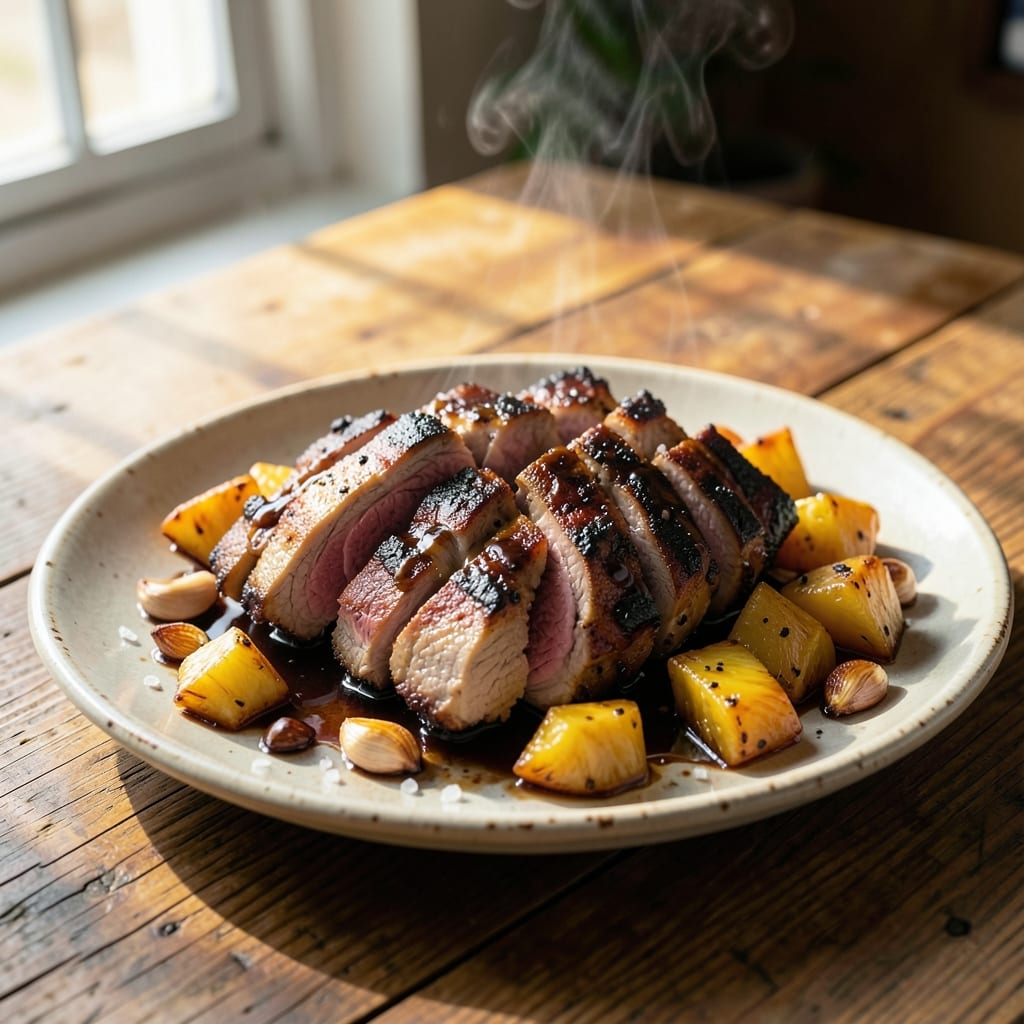
This Filipino BBQ pork marinade transforms simple pork into a savory, tangy masterpiece that rivals any restaurant version. 🔥 Growing up in Georgia, I learned how the right marinade can elevate humble cuts into showstopping centerpieces—this one delivers that magic with a perfect balance of vinegar, garlic, and umami-rich soy sauce. The secret lies in letting the flavors meld overnight, creating a sticky, aromatic glaze that caramelizes beautifully on the grill.
The marinade's star ingredients—white vinegar, soy sauce, and garlic—work together to tenderize the meat while building deep, complex flavors. I've added a touch of pineapple juice for brightness and a pinch of black pepper to cut through the richness. Traditional Filipino flavors like calamansi (or lime) and banana ketchup can be incorporated for an authentic twist, but this base version remains foolproof for any home cook.
What makes this marinade truly special is its versatility and longevity. It keeps in the fridge for up to 5 days, allowing you to marinate multiple batches for gatherings. When applied to pork shoulder or ribs, it creates a caramelized crust with tender, juicy meat beneath—every bite packed with smoky, sweet, and tangy notes. This is the marinade I rely on when feeding crowds, and it never disappoints.
The best part? It takes just 15 minutes to mix and requires no special equipment. Whether you're grilling, smoking, or even slow-cooking, this marinade delivers restaurant-quality results with minimal effort. Let's get started on creating your next BBQ showstopper.
Ingredients for filipino bbq pork marinade
Eight bold flavors come together to create this sticky, aromatic marinade that transforms pork into a restaurant-worthy masterpiece.
| Ingredient | Amount | Notes |
|---|---|---|
| White Vinegar 🍶 | ½ cup | Distilled for best flavor |
| Soy Sauce 🥢 | ½ cup | Light or dark variety |
| Garlic Cloves 🧄 | 8 cloves | Minced for maximum flavor |
| Pineapple Juice 🍍 | ¼ cup | Fresh or canned, unsweetened |
| Brown Sugar 🍚 | ¼ cup | Packed, light or dark |
| Ground Black Pepper 🌶️ | 1 tsp | Freshly ground preferred |
| Ground White Pepper 🌶️ | ½ tsp | For subtle, clean finish |
| Fresh Lime Juice 🍋 | ¼ cup | Freshly squeezed, no seeds |
| Olive Oil 🫒 | 2 tbsp | Extra-virgin for richness |
| Banana Ketchup 🍅 | 2 tbsp | Optional for authentic touch |
The white vinegar is non-negotiable here—it's the backbone of that signature tang. Grab distilled white vinegar from the store (the clear kind, not apple cider), as it's the most flavor-neutral and won't overpower the other ingredients. For the soy sauce, I always reach for Kikkoman or Lee Kum Kee—both deliver that perfect umami punch without any weird aftertastes. The garlic needs to be fresh; those pre-minced jars in the store are a no-go—they've got no flavor. If you're feeling fancy, smash the cloves with the flat side of your knife before mincing to release even more flavor. The pineapple juice should be unsweetened; if you can't find it, use fresh pineapple blended and strained—just don't add any extra sugar, or you'll throw off the balance.
No white vinegar? Apple cider vinegar works in a pinch, but cut it with an extra 1 tbsp of water to mellow it out. Swapping the soy sauce for coconut aminos gives a slightly sweeter profile, but you'll need to add an extra 1 tsp of brown sugar to compensate. Running short on garlic? Garlic powder at half the amount is better than nothing, though fresh is ideal. The banana ketchup is optional but adds that authentic Filipino touch—if you can't find it, mango chutney or even extra pineapple juice can stand in. For the pepper, white pepper gives a cleaner finish, but black pepper works too if that's what you've got. The olive oil matters here—skip the cheap stuff; California extra-virgin makes all the difference.
This marinade keeps like a champ in the fridge for up to 5 days, so you can prep it ahead for game day or weekend grilling. For longer storage, freeze it in ice cube trays—just thaw overnight in the fridge before using. The flavors actually get better with time, so don't be afraid to marinate your pork overnight for maximum tenderness. If you've got leftovers after grilling, strain the marinade and use it as a dip for fries or a glaze for roasted veggies—it's that versatile. Just remember, always marinate in the fridge, never at room temperature, to keep things safe.
Why You'll Love This Recipe
- Pantry Magic: I swear by this marinade—no special ingredients, just what’s already lurking in my cabinet. That tangy vinegar cut with sweet pineapple juice? It’s the secret to turning tough pork into something tender and irresistible without a single trip to the store.
- Sweet-Savory Bomb: The moment the garlic hits the pan, your kitchen smells like a Filipino street fair. Brown sugar caramelizes into a glossy, sticky glaze while the soy sauce adds that deep umami punch—crispy edges, juicy inside, and a brightness that lingers.
- Weeknight to Party: Slap this on pork chops for a quick weeknight dinner, or use it for lechon kawali (fried pork) when friends drop by. Honestly, I’ve grilled it, pan-fried it, even thrown it on skewers—it’s that adaptable.
- Budget Stretch: A little goes a long way, and the leftovers? Even better. I’ll marinate a big batch, cook half, then reheat the rest for lunches—no waste, no fuss. Plus, soy sauce and vinegar are cheap, so this marinade won’t break the bank.
Step-by-step instructions for Filipino BBQ pork marinade
This tangy, sweet, and savory marinade transforms simple pork into irresistible grilled perfection.
👨🍳 Step 1: Mince the Garlic for Maximum Flavor
Start by mincing the 8 cloves garlic cloves into a fine paste using a garlic press or knife. I like to use a mortar and pestle for this step—it releases even more flavor oils. Transfer the minced garlic to a large mixing bowl where you'll combine everything.
Freshly minced garlic makes all the difference here. If you're using pre-minced garlic from a jar, drain it well to avoid excess moisture in your marinade. The garlic will form the aromatic base of your marinade, so take your time getting it finely chopped.
🍳 Step 2: Whisk Together Wet Ingredients
In the same bowl, combine the 0.5 cup white vinegar, 0.5 cup soy sauce, 0.25 cup pineapple juice, and 0.25 cup brown sugar. Whisk vigorously for about 2 minutes until the brown sugar dissolves completely and the mixture becomes smooth and syrupy.
The vinegar and soy sauce create that signature tangy-savory Filipino flavor profile, while the pineapple juice adds natural sweetness and tenderizing enzymes. The brown sugar caramelizes slightly when grilling, creating beautiful color and depth. If your brown sugar doesn't dissolve completely, warm the mixture gently over low heat while stirring.
🥘 Step 3: Add the Aromatics and Seasonings
Pour in the 2 tbsp olive oil and stir to emulsify slightly. Then add the minced garlic, 1 tsp ground black pepper, and 0.5 tsp ground white pepper. Mix thoroughly until everything is well incorporated. For an authentic touch, stir in the 2 tbsp banana ketchup if using.
The olive oil helps carry flavors into the pork while adding richness. The combination of black and white pepper creates a balanced heat profile—black pepper provides bold spice while white pepper adds subtle depth. The banana ketchup, though optional, contributes that signature Filipino sweetness that makes this marinade so special.
🍋 Step 4: Finish with Lime Juice and Rest
Finally, stir in the 0.25 cup fresh lime juice until fully combined. Taste and adjust seasoning if needed—you might want to add a bit more brown sugar for sweetness or soy sauce for saltiness. Transfer the marinade to a bowl or resealable plastic bag.
Let the marinade rest for at least 30 minutes before using. This resting period allows the flavors to meld together beautifully. For best results, marinate the pork for 4-12 hours in the refrigerator. The longer it marinates, the more tender and flavorful your pork will become.
🔥 Step 5: Apply and Grill to Perfection
When ready to cook, apply the marinade generously to your pork cuts, ensuring they're well-coated on all sides. Let them sit at room temperature for 15-20 minutes before grilling. Grill over medium-high heat for 10-15 minutes, turning occasionally, until the pork reaches an internal temperature of 145°F for medium-rare or 160°F for medium.
You'll know it's ready when the exterior develops a beautiful caramelized crust and the juices run clear when pierced. The marinade will create a sticky, glossy glaze that caramelizes beautifully on the grill, giving you that signature Filipino BBQ look and taste.
Pro Tips For Making Filipino Bbq Pork Marinade
- MINCE THAT GARLIC: The difference between "meh" and "wow" often comes down to how you handle the garlic. Use a knife—not a press—and chop it into a fine paste before adding it to the marinade. I learned this the hard way after skipping it and getting clumps that didn’t infuse properly.
- LET THE VINEGAR WORK: Don’t rush the marinating. White vinegar needs at least 4 hours (overnight is better) to break down the pork’s fibers and tenderize it. I used to think 30 minutes was enough—until I tasted the difference after leaving it overnight.
- STRAIN THE PINEAPPLE JUICE: Skip the pulp if you want a smoother, cleaner marinade. Straining out the fibrous bits keeps the sauce from getting watery or clogging your grill. (Yes, it’s extra effort, but your pork will caramelize better.)
- BALANCE THE SWEETNESS: Brown sugar can turn bitter if overcooked, especially when grilling. Use just enough to coat the pork lightly—about 2 tablespoons per pound—then reserve a little extra to brush on at the end. This keeps the marinade from turning into syrup.
Common mistakes when making this recipe
Over-Marinating Pork
I've seen many cooks ruin perfectly good pork by marinating it for too long. While this marinade is designed to be tough on meat, exceeding 12 hours can actually break down the muscle fibers too much, making the pork mushy rather than tender. For pork cuts like shoulder or ribs, 4-8 hours is ideal. Thin cuts like tenderloin shouldn't marinate longer than 4 hours to avoid turning rubbery.
Here's my trick: If you're short on time, marinate for just 2 hours in the fridge—it'll still be delicious. The key is to let the marinade work its magic without overdoing it. Remember, the pork will continue cooking on the grill, so we don't want it pre-cooked in the marinade. 💫
Skipping the Resting Period
One of the biggest mistakes I see is skipping the 30-minute rest after mixing the marinade. This resting time allows the flavors to truly meld together and the sugar to fully dissolve, creating a cohesive sauce. If you rush and use it immediately, you'll end up with a separated mixture where the sugar hasn't integrated properly.
I always let my marinades rest at room temperature while I prep the pork. This also gives me a chance to taste and adjust the seasoning before applying it to the meat. Pro tip: If you're in a hurry, mix the marinade the night before—it'll be perfectly rested and ready to go when you are. ⏰
Using Pre-Cut Pork
Many home cooks make the mistake of using pre-cut, store-bought pork that's been sitting in the display case for hours. This meat is often less tender and has already started to dry out. For the best results, use fresh pork cuts from a trusted butcher or even better, a heritage pig farm like the ones I source from in Georgia.
If you must use store-bought pork, look for cuts that have been vacuum-sealed and ask the butcher for the freshest possible pieces. I always recommend buying a whole shoulder and having it cut fresh for maximum tenderness. The difference in texture is night and day when you use fresh, properly handled meat. 🐷
Ignoring the Vinegar Ratio
The vinegar is the heart of this marinade, but many cooks either use too much or too little. Using too much white vinegar (more than 0.5 cup) can make the pork taste harsh and unbalanced. On the flip side, using too little won't give you that signature tangy flavor that makes Filipino BBQ pork so special.
Here's my foolproof method: Start with the exact 0.5 cup called for in the recipe. If you're worried about the acidity, you can reduce it slightly by adding an extra 1 tbsp of pineapple juice to balance it out. But trust me, the vinegar is what creates that beautiful caramelized crust on the grill. 🍶
Not Draining Excess Marinade
After marinating, many people make the mistake of not draining the excess marinade before grilling. This can lead to flare-ups on the grill and a soggy pork cut. Always pat the pork dry with paper towels before applying a final coat of marinade right before grilling.
I like to reserve some of the marinade to use as a glaze during the last few minutes of grilling. This creates that beautiful caramelized crust while keeping the meat juicy. Just be sure to use a meat thermometer to check the internal temperature—don't rely on visual cues alone. 🌡️
Using the Wrong Pork Cuts
Not all pork cuts are created equal, and using the wrong one can make your BBQ pork disappointing. For this marinade, I recommend using pork shoulder (also called Boston butt) or pork ribs. These cuts have the right amount of fat and connective tissue to handle the marinade and become tender when cooked properly.
Avoid using lean cuts like pork tenderloin unless you're cooking it quickly over high heat. The tenderloin can become dry if marinated too long or cooked too slowly. For best results, stick with the traditional cuts that Filipino BBQ was built on—shoulder and ribs are your friends here. 🐖
Nutrition facts
Frequently asked questions
Can I use this marinade for chicken or beef instead of pork?
The base marinade works beautifully on chicken thighs or beef ribs, but adjust marinating times! Chicken needs only 2-4 hours (or it'll turn rubbery), while beef ribs can handle 8-12 hours for deeper flavor penetration. The vinegar and sugar combo caramelizes wonderfully on both meats, creating that signature sticky glaze.
How do I make this marinade spicier?
Add 1-2 tbsp of chili flakes or 1 tbsp of finely chopped fresh chili (like jalapeño or siling labuyo) to the base marinade. For heat without raw spice, stir in 1 tsp of cayenne pepper or 1 tbsp of gochujang. Always taste first—Filipino BBQ balances heat with sweetness, so you may want to add extra brown sugar to compensate.
Can I make this marinade without banana ketchup?
Skip it entirely for a simpler version, or substitute with 1 tbsp of mango chutney, 1 tbsp of extra brown sugar, or even 1 tbsp of pineapple jam. The key is maintaining the balance of sweet, tangy, and umami flavors. If you're feeling adventurous, try 1 tbsp of achuete (annatto) paste for a traditional Filipino orange hue.
How do I store leftover marinade?
Transfer unused marinade to an airtight container and refrigerate for up to 5 days. For longer storage, freeze in ice cube trays—thaw overnight in the fridge before using. Pro tip: Strain any solids after marinating pork, then use the leftover liquid as a dipping sauce for fries or a glaze for roasted vegetables. It's that versatile!
Why does my pork turn out dry after marinating?
Over-marinating (beyond 12 hours) or using lean cuts like tenderloin are common culprits. Always use pork shoulder or ribs, and marinate for 4-8 hours max in the fridge. After grilling, let the meat rest 10 minutes before slicing to retain juices. The marinade's acidity tenderizes, but proper cooking method matters most!