
Sauces & Condiments
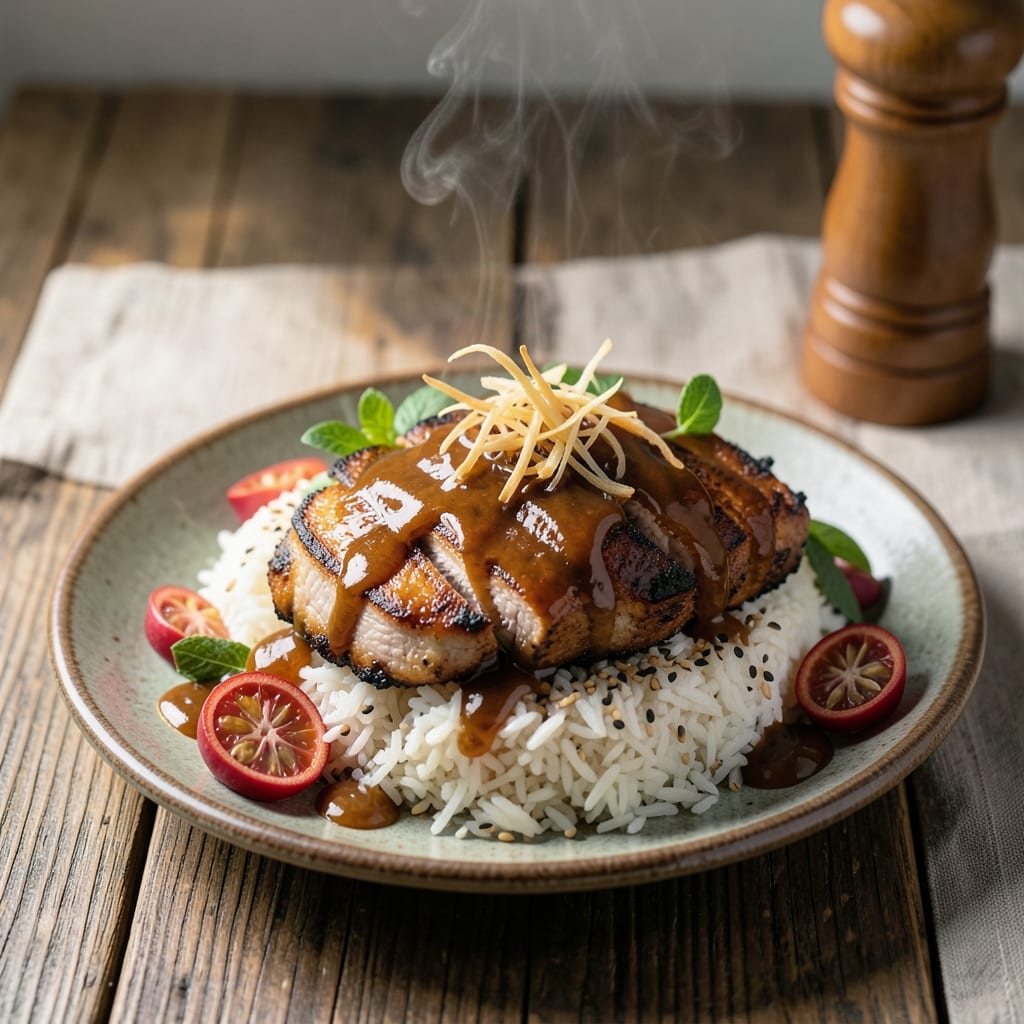
This Filipino pork barbecue sauce recipe delivers the perfect balance of tangy, sweet, and savory flavors that transform simple pork into restaurant-quality dishes. The secret lies in the vinegar-kissed umami depth created by a precise blend of garlic, soy sauce, and sugar—just 10 minutes of prep time before grilling or roasting. What makes this sauce special is its versatility: use it as a marinade for tender, flavorful meat or as a glaze for crispy, caramelized edges.
The foundation of this sauce is a simple yet powerful combination of ingredients that work together to create complex flavors. The vinegar adds a bright tang that cuts through the richness of the pork, while the soy sauce provides deep umami notes. Garlic and sugar caramelize slightly during cooking, adding layers of sweetness and aroma that elevate every bite. This sauce is designed to be foolproof, ensuring consistent results every time you use it.
What you’ll end up with is a glossy, aromatic sauce that clings perfectly to meat, creating a sticky, caramelized crust with every bite. The balance of flavors is just right—tangy enough to brighten the dish, sweet enough to satisfy, and savory enough to make your taste buds dance. Whether you're grilling pork chops, ribs, or even chicken, this sauce will take your dish to the next level.
Once you’ve made this sauce, you’ll never go back to store-bought versions. It’s the kind of recipe that becomes a staple in your kitchen, perfect for weeknight dinners or special occasions. Let’s get started on creating this flavor-packed sauce that will make your pork dishes unforgettable.
Ingredients for filipino pork barbecue sauce
Nine simple ingredients transform into the perfect tangy, sweet, umami-packed sauce for pork.
| Ingredient | Amount | Notes |
|---|---|---|
| White Vinegar 🍶 | ½ cup | Distilled or apple cider preferred |
| Soy Sauce 🥢 | ½ cup | Use light or regular soy sauce |
| Brown Sugar 🍚 | ½ cup | Packed firmly for accuracy |
| Garlic Cloves 🧄 | 6 cloves | Minced finely for smooth texture |
| Fresh Ginger 🌿 | 2 tbsp | Finely grated, fresh is best |
| Calamansi Juice 🍋 | ¼ cup | Substitute with lemon juice if unavailable |
| Black Peppercorns 🌶️ | 1 tsp | Crushed lightly for subtle heat |
| Ground Black Pepper 🌶️ | ½ tsp | Freshly ground for best flavor |
| Olive Oil 🫒 | 1 tbsp | Light or extra-virgin for balance |
The vinegar is non-negotiable here—distilled or apple cider gives the brightest tang. Trader Joe's or Whole Foods carry great options, but any clear vinegar works. Soy sauce? Kikkoman is reliable, but any light soy will do. Brown sugar's caramelization is key, so don't skip it—pack it firmly when measuring. Fresh ginger and garlic? Local markets often have better quality than grocery stores. If you can't find calamansi, lemon juice works, though it'll be slightly less tangy.
No calamansi? Lime juice at half the amount is your next best bet. Too much sugar? Reduce by 1 tbsp and add 1 tbsp more vinegar. The olive oil might seem odd, but it helps balance the acidity—don't skip it. For a deeper flavor, toast the peppercorns in a dry pan for 30 seconds before grinding. The sauce thickens as it cools, so if it seems too runny right after cooking, let it sit 10 minutes before using it.
This sauce keeps for 2 weeks in the fridge, but it's best used within 5-7 days for maximum freshness. It freezes beautifully for up to 3 months—just thaw in the fridge overnight. I like to make a double batch and freeze half. The flavors actually deepen over time, making it perfect for leftovers. If you're prepping for a crowd, scale up the vinegar and sugar first—they're the most critical for balance.
Why You'll Love This Recipe
- Pantry Magic: I swear by this sauce because it uses stuff I already have—no fancy shopping trips. That tangy vinegar cut with the deep umami of soy and the caramelized warmth of brown sugar? It’s the kind of balance that makes me reach for it every time.
- Ginger-Garlic Zing: Between us, the fresh ginger and minced garlic turn this sauce into a flavor bomb. You don’t even need a fancy marinade—just brush it on grilled pork or toss it with tofu, and suddenly, everything tastes like a late-night craving satisfied.
- Weeknight Hero: This sauce is my go-to when I’m too tired to think. Simmer it while I chop veggies for dinner, and by the time the rice is done, so is the sauce. Honestly, it’s the difference between takeout and a homemade meal that actually impresses.
- Stretches the Budget: A little goes a long way—this batch makes enough to coat pork for two meals or even double as a stir-fry sauce. I’ll be real: my wallet thanks me every time I pull it out instead of buying pre-made bottles.
Step-by-step instructions for Filipino pork barbecue sauce
Here's how to make this tangy, sweet, and savory sauce that's perfect for grilled pork.
Prepare the Aromatics and Base
In a medium saucepan, heat the 1 tablespoon olive oil over medium heat until it shimmers. Add the 6 cloves garlic cloves and 2 tablespoons fresh ginger—I like to use a microplane for the ginger to get fine, even shreds. Cook for 2-3 minutes until the garlic is fragrant and just beginning to turn golden. This ensures you get all that aromatic depth without burning.
Next, add the 0.5 cup white vinegar and 0.5 cup soy sauce. Bring the mixture to a gentle simmer, then reduce heat to low. Let it cook uncovered for 5 minutes to allow the vinegar to mellow slightly and the soy sauce to deepen in flavor. You'll notice the aroma becoming more complex—this is where the sauce starts to develop its signature tangy-sweet balance.
Add Sweetness and Acid
Stir in the 0.5 cup packed brown sugar and 0.25 cup calamansi juice (or lemon juice if substituting). Increase the heat to medium and bring the mixture to a boil. Once boiling, reduce heat to medium-low and let it simmer for 8-10 minutes, stirring occasionally. You're looking for the sugar to dissolve completely and the sauce to thicken slightly—it should coat the back of a spoon but still be pourable.
Here's the thing—don't rush this step. The sugar needs time to caramelize just a bit to develop that rich, molasses-like depth. If the sauce starts to look too thick, add 1-2 tablespoons water to keep it smooth. The color should turn a beautiful amber, signaling the flavors are melding perfectly.
Incorporate the Pepper and Finish
Add the 1 teaspoon black peppercorns and 0.5 teaspoon ground black pepper. Crush the peppercorns lightly with the back of a spoon to release their oils and aromatics. Let the sauce simmer for another 3-5 minutes until the peppercorns are fragrant and the sauce has thickened to your desired consistency. It should be glossy and coat the pork beautifully when you brush it on.
Taste and adjust the balance—you might want to add a bit more vinegar for tang, a touch of sugar for sweetness, or a splash of soy sauce for umami. The sauce should be sweet, tangy, and savory all at once, with a subtle peppery kick. Once you're happy with the flavor, remove the saucepan from heat and let it cool slightly before using.
Strain and Store for Maximum Flavor
For the smoothest texture, strain the sauce through a fine-mesh sieve into a clean bowl or jar. This removes the peppercorns and any remaining bits of ginger or garlic, leaving you with a silky, ready-to-use sauce. If you prefer a slightly textured sauce, you can skip the straining step—it's totally up to you.
The sauce will thicken further as it cools, so let it sit at room temperature for 10-15 minutes before using. For best results, store any leftovers in an airtight container in the refrigerator for up to 2 weeks. This sauce keeps well and tastes even better the next day as the flavors continue to meld. Use it to glaze grilled pork, marinade meats, or even drizzle it over rice for a quick flavor boost.
Pro Tips For Making Filipino Pork Barbecue Sauce
- Simmer Slow and Steady: Filipino barbecue sauce needs time to marry its flavors—don’t rush the simmer. After adding vinegar and soy sauce, reduce heat to medium-low and let it bubble gently for at least 15 minutes. I learned this the hard way when I cranked the heat too high and ended up with a thin, sharp sauce instead of the rich, glossy one you want.
- Mince Ginger Like You Mean It: Fresh ginger is non-negotiable here, but don’t just chop it—grate it fine enough to disappear into the sauce. A microplane works best, and trust me, you’ll taste the difference. Coarse chunks just sit there, while finely grated ginger dissolves into a smooth, aromatic base that balances the vinegar’s bite.
- Balance Sugar with Vinegar: Brown sugar adds depth, but too much will make the sauce cloying. Start with 2 tablespoons per ½ cup vinegar, then taste as it cooks. If it’s too sweet, add a splash more vinegar and simmer to evaporate excess. I skip measuring after the first time—just go by taste, and adjust in small increments.
- Toast Garlic First: Before mincing, crush the garlic cloves and dry-toast them in a pan for 30 seconds until fragrant. This removes moisture and deepens their flavor, so they don’t turn bitter or water down the sauce. Sounds like a small step, but it makes the garlic sing instead of just lurking in the background.
Serving suggestions for filipino pork barbecue sauce
Grilled Pork Pairings
This sauce shines brightest on grilled pork chops or ribs. I love brushing it on bone-in pork chops during the last 5 minutes of grilling at 400°F for a caramelized crust. For ribs, apply it generously after the initial smoke phase, then finish with a quick broil for 2-3 minutes to create sticky, glossy bark. 🔥
For extra flavor, marinate pork tenderloin in half the sauce for 4-6 hours before grilling. The meat stays juicy while absorbing deep umami notes. I also use it as a glaze for Filipino-style lechon kawali (fried pork belly) by simmering the sauce until thicker and brushing it on during the last 10 minutes of frying.
Side Dish Harmony
Serve grilled pork with steamed jasmine rice to soak up the extra sauce. I like to add a sprinkle of toasted sesame seeds and a drizzle of the leftover sauce on top for extra flavor. For a fresh contrast, pair with garlic green beans sautéed in 1 tbsp olive oil with 2 minced garlic cloves and a pinch of salt.
Don’t forget Filipino-style atchara (pickled papaya) for a tangy crunch. The sweet-and-sour balance cuts through the richness of the pork beautifully. Another great option is sinigang (sour tamarind soup) made with shrimp or pork—it’s a comforting match for the bold flavors of the sauce. ✨
Drink Pairings
A cold San Miguel beer (the Philippines’ classic lager) complements the sauce’s tangy-sweet profile perfectly. The crisp, clean finish cleanses your palate between bites. For a non-alcoholic option, try calamansi soda—mix ½ cup calamansi juice with 1 cup sparkling water and a touch of sugar to taste.
If you prefer wine, a light Pinot Noir with its bright acidity stands up well to the sauce’s complexity. Avoid heavy reds—they’ll overpower the delicate balance. For a tropical twist, serve with pineapple juice chilled to 40°F—the sweetness enhances the caramelized notes in the sauce. 🍷
Leftovers Reinvented
Transform leftover pork into Filipino-style pork adobo by simmering it with the remaining sauce, ½ cup coconut milk, and 1 bay leaf for 20 minutes. The sauce’s umami depth carries through beautifully. For a quick lunch, slice the pork thinly and serve in steamed rice bowls with a fried egg on top.
Use extra sauce to make pork dumplings—mix it with ½ lb ground pork, 2 tbsp chopped scallions, and 1 tbsp cornstarch**, then pan-fry until crispy. The sauce’s tangy-sweet flavor turns these into irresistible bites. 💫
Nutrition facts
Frequently asked questions
Can I substitute calamansi juice if I can't find it?
Yes! Use lemon juice as a 1:1 substitute, though it'll be slightly less tangy. For a closer match, mix ½ lemon juice + ½ lime juice. The sauce will still taste delicious—just expect a slightly milder citrus brightness.
How long should I marinate pork in this sauce?
For best results, marinate pork for 4-6 hours in the fridge. Thin cuts like chops absorb flavor in 2 hours, while thicker cuts like ribs benefit from overnight marinating. Always pat dry before cooking to ensure a good sear.
What's the secret to getting the perfect caramelized crust?
Brush the sauce on during the last 5-10 minutes of cooking at high heat (400°F+). The sugar in the sauce caramelizes beautifully when exposed to direct heat. For extra shine, finish with a quick broil for 2-3 minutes while watching closely.
Can I make this sauce without sugar?
Yes, but the flavor profile will change significantly. Replace the sugar with ½ cup honey or maple syrup for depth, or use ¼ cup more vinegar + 1 tbsp soy sauce for tangy-savory balance. The sauce will be more acidic but still delicious—just expect less caramelization.
How do I store leftovers to keep them fresh?
Store in an airtight container in the fridge for up to 2 weeks or freeze for 3 months. For freezing, portion into ice cube trays first—this makes it easy to thaw just what you need. The sauce actually improves overnight as flavors meld! Thaw in the fridge, never at room temperature.