
Main Courses
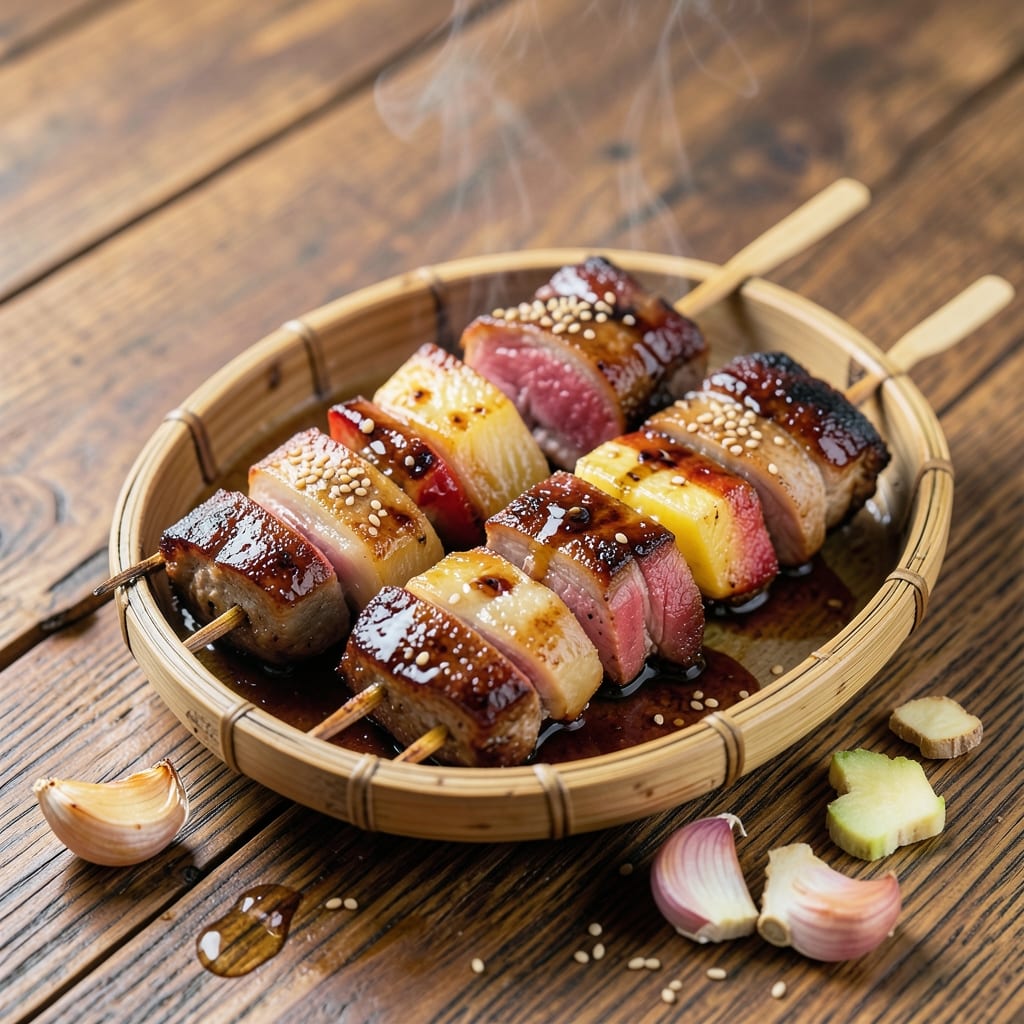
This Filipino pork kabob recipe brings the bold flavors of street food stalls straight to your grill, where tender pork and caramelized pineapple meet in perfect harmony. 🔥 The secret lies in a marinade of tangy soy sauce, garlic, and ginger—inspired by classic lechon kawali techniques—that transforms simple pork into something deeply flavorful. I first tasted these skewers in Manila's bustling markets, where the aroma of charred meat and sweet pineapple drew crowds at every turn.
The recipe starts with marinated pork chunks threaded onto skewers alongside juicy pineapple pieces, ensuring each bite delivers a balance of savory and sweet. What makes this dish special is the two-zone heat technique—searing the pork over high heat for crispy edges while letting the pineapple caramelize slowly. This method mirrors the traditional taho grilling style, where precision turns a simple meal into a showstopper.
By the time you're done, you'll have golden-brown pork kabobs with a sticky, caramelized glaze and tender pineapple that's just sweet enough to cut through the richness. The aroma alone will have everyone gathering around the grill, and the flavors—smoky, tangy, and slightly sweet—are impossible to resist. Serve with a side of sinigang for a complete Filipino feast experience.
This dish is perfect for summer gatherings, family dinners, or whenever you crave a taste of the Philippines without leaving home. The marinade keeps well, so you can prep ahead and grill at your convenience. Let's bring the flavors of Manila to your kitchen—one skewer at a time.
Ingredients for filipino pork kabob
Pork shoulder, pineapple, and bold flavors—this is your Filipino street food grill lineup.
| Ingredient | Amount | Notes |
|---|---|---|
| Boneless Pork Shoulder 🥩 | 1 ½ lb | Cut into 1.5-inch cubes |
| Fresh Pineapple Chunks 🍍 | 2 cups | Firm, ripe, no core |
| Soy Sauce 🍶 | ½ cup | High-quality, preferably Japanese |
| Garlic Cloves 🧄 | 6 cloves | Minced for marinade |
| Fresh Ginger 🌿 | 2 tbsp | Grated, peeled |
| Brown Sugar 🍚 | 2 tbsp | Packed, light brown preferred |
| Olive Oil 🫒 | 2 tbsp | Extra-virgin for richness |
| Lime Juice 🍋 | 2 tbsp | Freshly squeezed |
| Wooden Skewers 🪵 | 12 whole | Soaked in water 30 minutes |
| Ground Black Pepper 🌶️ | ½ tsp | Freshly cracked |
| Salt 🧂 | 1 tsp | Diamond Crystal preferred |
| Fish Sauce 🍶 | 1 tbsp | Red Boat preferred |
| Sesame Oil 🫒 | 1 tsp | Toasted, for finishing |
| Fresh Cilantro 🌿 | ¼ cup | Chopped, for garnish |
The pork shoulder is non-negotiable here—its fat content keeps the meat juicy through grilling. Look for well-marbled cuts at Filipino markets or the butcher counter, where they can trim it for you. If you're short on time, Costco's pre-cut pork shoulder works perfectly. For the pineapple, avoid the pre-cut chunks with added juice—they're waterlogged. Grab a whole pineapple, cut it yourself, and save the core for smoothies. The garlic and ginger should smell vibrant, not musty, and the Red Boat fish sauce adds that authentic umami punch you can't get from substitutes.
No soy sauce? Coconut aminos in a pinch, though it'll taste different. Fresh ginger too pungent? Ginger powder at half the amount works, but toast it first in a dry pan for 30 seconds to deepen the flavor. The skewers are key—bamboo skewers from Asian markets are ideal, but if you can't find them, soak regular wooden skewers for at least 30 minutes. The brown sugar can be swapped for coconut sugar for a more authentic touch, and if you're avoiding fish sauce, extra soy sauce plus a dash of sugar mimics the saltiness. The pineapple chunks should be firm but yield slightly when pressed—too soft and they'll turn mushy on the grill.
Marinate the pork overnight for maximum flavor, but even 2 hours makes a difference. The pineapple can be prepped ahead and stored in the fridge for 2 days in an airtight container. Grilled skewers keep well for 3 days in the fridge, but they reheat best low-and-slow in a skillet with a splash of water. For leftovers, wrap tightly in foil and reheat gently—they're even better the next day. The marinade itself? Use it up within 5 days or freeze it in ice cube trays for future grilling sessions.
Why You'll Love This Recipe
- Five-Ingredient Magic: The pork shoulder marbling melts with the pineapple’s sweetness while the ginger-soy glaze caramelizes—no fancy technique, just chop, skewer, and grill. Honestly, I’ve made this with my eyes closed (and once did), and it still delivers.
- Sweet-Savory Balance: That first bite? Juicy pork meets tangy pineapple, all wrapped in a sticky garlic-ginger crust—like a party in your mouth. My kids fight over the pineapple chunks, but I sneak the pork off their plates.
- Weeknight to BBQ Star: Throw these on the grill for summer dinners or reheat them cold in salads—same great flavor, zero fuss. Between us, I’ve served them at potlucks, office parties, and lazy Sundays. They’re that reliable.
- Budget-Friendly Feast: Pork shoulder stretches across meals: extra skewers for lunch, leftover pork in fried rice, even pineapple in smoothies. I stretch one cut into three days without breaking the bank or the flavor.
Step-by-step instructions for Filipino pork kabobs
Here's how to create perfectly balanced skewers with tender pork and caramelized pineapple.
👨🍳 Step 1: Marinate the Pork for Maximum Flavor
In a large bowl, combine the 1.5 lb boneless pork shoulder cut into 1.5-inch cubes with the 0.5 cup soy sauce, 1 tbsp fish sauce, 2 tbsp brown sugar, 2 tbsp lime juice, 6 cloves minced garlic, 2 tbsp grated ginger, 1 tsp salt, and 0.5 tsp ground black pepper. Mix thoroughly until every piece of pork is well coated.
Transfer the mixture to a resealable plastic bag and let it marinate in the refrigerator for at least 4 hours (overnight is even better). The acidity from the lime juice and fish sauce will tenderize the pork while the soy sauce and brown sugar create a sticky glaze that will caramelize beautifully on the grill. Give it a good shake every hour or so to ensure even distribution of the marinade.
🍳 Step 2: Assemble the Skewers with Pineapple
Soak the 12 wooden skewers in water for at least 30 minutes to prevent them from burning on the grill. Drain well before using. Thread alternating pieces of marinated pork and 2 cups fresh pineapple chunks onto each skewer, starting and ending with pork for even cooking.
Here's the thing—don't overcrowd the skewers. You want each piece of pork to have room to sear properly and not steam in its own juices. Aim for about 3 pieces of pork and 2 pineapple chunks per skewer. The pineapple will add natural sweetness that balances the savory-salty marinade, creating that perfect Filipino flavor profile.
🔥 Step 3: Preheat and Grill to Perfect Doneness
Preheat your grill to medium-high heat (about 375-400°F). Clean and oil the grates thoroughly to prevent sticking. Place the skewers on the grill and cook for 8-10 minutes, turning occasionally, until the pork reaches 145°F internally and develops beautiful grill marks.
Watch for the pork to turn a rich mahogany color and the pineapple to develop golden-brown char spots. This is where the magic happens—the caramelization from the marinade and the smoky grill flavor combine to create that irresistible kabob taste. If the skewers start to stick, gently lift them with tongs and adjust their position on the grill.
🥘 Step 4: Finish with Sesame Oil and Garnish
Once the pork reaches 145°F, transfer the skewers to a plate and let them rest for 5 minutes. This resting period allows the juices to redistribute throughout the meat, ensuring each bite is juicy and flavorful. While they rest, drizzle each skewer with 1 tsp sesame oil and sprinkle with the 0.25 cup chopped fresh cilantro.
The sesame oil adds a nutty aroma and depth of flavor that complements the sweet-savory profile of the kabobs. The cilantro provides a fresh contrast that brightens the dish. Serve immediately while the pork is still hot and the pineapple is juicy. These kabobs are best enjoyed fresh off the grill when all the flavors are at their peak.
Pro Tips For Making Filipino Pork Kabob
- MARINATE PORK OVERNIGHT: I learned this the hard way—rushing the marinade means the pork stays tough and bland. Use at least 8 hours (overnight is ideal) with soy sauce, garlic, and ginger minced fine enough to dissolve into the meat. The longer it soaks, the more tender and flavorful it gets—no shortcut here.
- USE FIRM PINEAPPLE: Soft pineapple turns to mush on the skewer, drowning your kabobs in syrup. Pick chunks with just a little give—firm enough to hold shape but still sweet. Cut them into even 1-inch pieces so they cook at the same rate as the pork.
- PREHEAT GRILL TO 400°F: Starting too low means the pork steams instead of searing. High heat for the first 2 minutes locks in juices and gives that smoky crust we all want. After that, drop to medium-high to finish cooking—this keeps the pork from drying out.
- SKEWER PINEAPPLE LAST: I used to thread everything together first, and half the pineapple would fall off before hitting the grill. Add the pineapple chunks after the pork is already on the skewer—just slide them in right before cooking. Less mess, same flavor.
Regional styles of these flavors
Manila Street Style
This is how I remember eating pork kabobs in Manila's bustling markets—skewers packed with tender pork and pineapple, grilled over charcoal briquettes in cast iron pans. The key difference? No direct flame—just radiant heat from the coals below, creating that signature caramelized crust without burning the pineapple. I still use this method at home with my Lodge cast iron skillet over a gas grill set to medium-low for indirect heat. 🔥
The street vendors in Manila often added calamansi juice (if you can find it) to the marinade for extra tang—about 1 tbsp replaces the lime juice. For an authentic touch, serve with garlic fried rice and a side of atchara (Filipino pickled papaya) to cut through the richness. The combination is pure nostalgia in every bite.
Visayan Grilling Style
In the Visayan region, they take kabobs to another level by using bamboo skewers that are split and soaked in saltwater for extra crispiness. The marinade there often includes patis (fish sauce) and sugar palm vinegar—if you can't find the vinegar, apple cider vinegar works in a pinch. I've adapted this by adding 1 tsp sugar palm vinegar substitute to the marinade for that distinctive tangy-sweet balance. 🌶️
Visayan cooks also use a two-zone fire technique—high heat for searing the pork, then moving to indirect heat to cook through gently. This prevents the pineapple from burning while keeping the pork juicy. Try this by placing your skewers on the cooler side of the grill after the initial sear.
Baguio Mountain Adaptation
Up in the cooler highlands of Baguio, they grill their kabobs over hardwood coals from native trees like acacia or mahogany, which impart a distinct smoky flavor. For home cooks, use hickory or applewood chips in your grill or smoker. The high altitude means lower temperatures are needed—aim for 350°F instead of the standard 375-400°F. The result is meat that's tender without being overcooked. ✨
Baguio-style kabobs often include local mountain vegetables like eggplant or string beans alongside the pork and pineapple. If you want to try this, add 1 cup sliced eggplant to your skewers—they'll absorb the marinade beautifully and add a nice texture contrast.
Lechon Kawali Influence
The marinade for these kabobs draws heavy inspiration from lechon kawali, the Filipino stir-fried pork dish. The combination of soy sauce, fish sauce, and brown sugar creates that signature sticky glaze you find on both dishes. For extra authenticity, I sometimes add 1 tsp banana ketchup to the marinade—it might sound odd, but it adds a subtle sweetness that balances the savory notes perfectly. 💫
Lechon kawali lovers often serve their kabobs with sinigang, a sour tamarind-based soup. The acidity in the soup cuts through the richness of the pork and pineapple, creating a complete meal. If you're serving these kabobs as part of a larger feast, keep a pot of sinigang simmering on the side.
Nutrition facts
Frequently asked questions
Can I substitute chicken or beef for the pork?
While pork is traditional, you can absolutely use chicken thighs (bone-in for juiciness) or beef sirloin. For chicken, reduce marinating time to 2-3 hours since it cooks faster. Beef needs 6-8 hours of marinating for tenderization. The pineapple will caramelize similarly, but beef will have a richer texture.
What's the best way to keep the pineapple from falling off the skewers?
Prevent pineapple from slipping by threading it onto the skewers first, then adding pork over it. For extra security, brush the pineapple lightly with egg wash before assembling. If using bamboo skewers, split them slightly to create grooves that grip the fruit better.
Can I make these kabobs in an oven or air fryer?
Yes! For oven-baked versions, preheat to 400°F and bake for 12-15 minutes on a wire rack over a baking sheet. For air fryer, cook at 375°F for 8-10 minutes, shaking halfway. The air fryer gives the best char marks. Just watch closely—they cook faster than on a grill.
How do I make the marinade ahead of time?
Prepare the marinade up to 5 days in advance and store in an airtight container in the fridge. For best results, marinate the pork for 4-6 hours when using pre-made marinade. If storing longer than 3 days, freeze the marinade in ice cube trays and thaw overnight before using.
What sides pair best with these kabobs?
Classic pairings include garlic fried rice, sinigang (tamarind soup), or atchara (pickled papaya). For a lighter option, serve with cucumber salad or steamed jasmine rice. The acidity from atchara or sinigang helps balance the richness of the pork.