
Main Courses
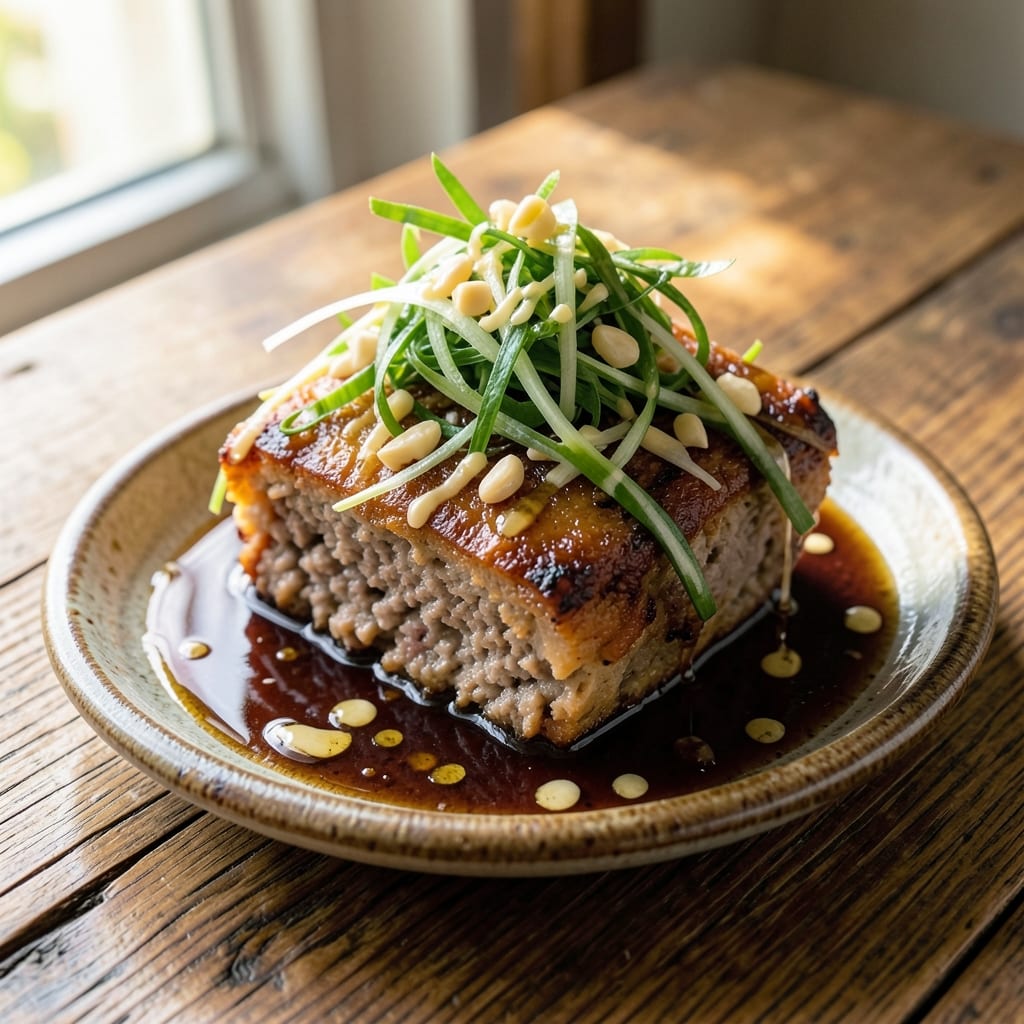
This Filipino pork pastel recipe delivers the perfect balance of crispy golden edges and tender, vinegar-braised centers that make every bite unforgettable. 🔥 Growing up in Georgia, I first encountered these delicate pastels at Filipino family gatherings—tiny parcels of flavor-packed pork that disappeared faster than they appeared. The secret lies in the vinegar marinade, which tenderizes the meat while adding that signature tangy depth.
What sets these apart is the technique: ground pork simmered in a savory vinegar sauce until just tender, then carefully wrapped in thin dough and fried to a golden finish. The result is a dish that’s both rustic and refined—ideal for celebrations like Christmas or town fiestas, where it’s often served alongside atchara (pickled papaya) and steamed greens. The dough stays crisp while the filling remains juicy, a testament to precision timing.
By the time you’ve assembled and fried these pastels, your kitchen will smell like a Filipino kitchen should—warm, aromatic, and impossible to resist. The vinegar-braised pork infuses the dough with flavor, creating a harmony of textures and tastes that’s uniquely satisfying. This is comfort food at its finest, a dish that brings people together around the table.
Serve with traditional sides like sinigang (sour tamarind soup) or a simple green salad to balance the richness. The leftovers? Even better the next day, reheated until crispy again. Here’s how to make them perfectly the first time.
Ingredients for filipino pork pastel
Simple ingredients for crispy, vinegar-kissed pork bites that disappear fast at gatherings.
| Ingredient | Amount | Notes |
|---|---|---|
| Ground Pork 🥩 | 1 ½ lb | Pork shoulder preferred for flavor |
| White Vinegar 💧 | ½ cup | Distilled or cane vinegar works |
| Soy Sauce 🍶 | ¼ cup | Light or regular, not low-sodium |
| Garlic Cloves 🧄 | 6 cloves | Minced, fresh preferred |
| Green Onions 🧅 | 4 whole | White and green parts, chopped |
| All-Purpose Flour 🌾 | 2 cups | For dough, not self-rising |
| Vegetable Oil 🫒 | ½ cup | For frying, high smoke point |
| Baking Powder 🍞 | 1 tsp | For dough leavening |
| Salt 🧂 | 1 ½ tsp | Kosher or fine sea salt |
| Black Pepper 🌶️ | ½ tsp | Freshly ground preferred |
| Water 💧 | ¾ cup | Room temperature preferred |
| Sugar 🍚 | 1 tbsp | White granulated sugar |
The ground pork is everything here—pork shoulder has more fat for juiciness, but regular ground pork works in a pinch. Filipino markets carry pork shoulder in bulk, but any grocery store has it pre-ground. For the vinegar, cane vinegar adds a subtle sweetness, but distilled works fine. The garlic and green onions? Fresh is non-negotiable—dried won't give that bright, fresh flavor. If you're prepping ahead, marinate the pork in the vinegar mixture overnight for extra tenderness, but even 30 minutes makes a difference.
No soy sauce? Oyster sauce or even Worcestershire sauce (check for vinegar-free versions) works in a bind. Short on green onions? Scallions or chives are fine, but the white part adds body. For the dough, King Arthur flour or any all-purpose works, but avoid cake flour—it lacks structure. If you're making these for a crowd, double the dough recipe and keep the pork mixture warm. The sugar in the dough helps with browning, but don't skip it—it's what gives those pastels their signature golden crunch.
Keep the dough wrapped in plastic in the fridge for up to 2 days, but work with it at room temperature for best results. The pork filling can be prepped ahead and stored for 3 days in the fridge. For frying, maintain oil at 350°F—too hot and they burn before cooking through. Leftovers? Reheat in a 350°F oven for 10 minutes to restore crispiness. These freeze surprisingly well too—just reheat from frozen in the oven.
Why You'll Love This Recipe
- No-Fuss Assembly: I swear, this takes less effort than ordering takeout. Brown the pork, toss in vinegar and soy sauce, and let it simmer—no fancy techniques, just garlic and onions for that je ne sais quoi. My lazy Sundays just got a whole lot easier.
- Umami Bomb: That tangy vinegar cut with salty soy sauce? It’s like a flavor explosion in your mouth. The pork stays tender while the edges crisp just enough—honestly, my picky eaters actually finish their plates.
- Leftover Hero: This stuff reheats like a dream—throw it in a pan or microwave, and it’s still packed with flavor. I make double batches because it’s my go-to for lunches, potlucks, or when I’m too tired to cook.
- Budget Meal Maker: Ground pork stretches far, and the pantry staples (vinegar, soy sauce) won’t break the bank. It’s my secret for feeding a crowd without stressing over cost—plus, my wallet thanks me every time.
Step-by-step instructions for Filipino pork pastel
Here's how to make these addictive pastel bites with perfectly crispy exteriors and tender, vinegar-braised centers.
👨🍳 Step 1: Mix the Pork Filling
In a large bowl, combine the 1.5 lb ground pork, 0.5 cup white vinegar, 0.25 cup soy sauce, 6 minced garlic cloves, 1.5 tsp salt, 0.5 tsp black pepper, and 1 tbsp sugar. Mix everything with your hands until the pork is fully coated and the mixture holds together when pressed. The vinegar will start to break down the pork fibers, so don't overwork it—just until everything is evenly combined.
Here's the thing—this mixture needs to be sticky enough to cling to the dough but not so wet it falls apart. If it feels too dry, add 1 tablespoon of water at a time until it reaches the perfect consistency. Cover the bowl and let it rest for 15 minutes while you prep the dough. This resting time lets the flavors meld and makes the filling even more flavorful.
👨🍳 Step 2: Prepare the Dough
In a separate large bowl, whisk together the 2 cups all-purpose flour, 1 tsp baking powder, and the 4 chopped green onions (both white and green parts). Make a well in the center and add the 0.5 cup vegetable oil and 0.75 cup water. Mix with a fork or your hands until a shaggy dough forms.
Turn the dough out onto a lightly floured surface and knead gently for 2-3 minutes until smooth and elastic. The dough should be soft but not sticky—if it feels too wet, add 1 tablespoon flour at a time. Divide the dough into 12 equal balls (about 1.5 ounces each) and roll each into a smooth ball. This dough is delicate, so handle it gently to avoid tearing.
🥘 Step 3: Assemble and Braise the Pastel
Preheat your oven to 350°F. Take one dough ball and flatten it slightly with your palm to create a small well in the center. Press a portion of the pork filling into the well, then gently seal the dough around it, pinching the edges to completely encase the filling. Place the assembled pastel on a parchment-lined baking sheet, seam-side down.
Repeat with the remaining dough and filling, spacing the pastel about 1 inch apart on the sheet. Bake for 25-30 minutes until the pastel are deep golden brown and the filling is bubbling through the cracks. The key here is patience—don't open the oven door early, or they'll lose their crispiness. You'll know they're done when the dough is firm to the touch and the filling looks slightly caramelized.
🔥 Step 4: Crisp in the Oven (The Secret to Perfect Texture)
Once the pastel are golden brown, increase the oven temperature to 400°F. Return the baking sheet to the oven and bake for an additional 10-15 minutes. This high-heat finish crisps up the dough and deepens the caramelization of the filling. Watch them closely—they go from perfect to burnt in seconds.
Here's where it gets fun—toss the pastel in a bowl with the remaining 2 chopped green onions (white parts only) while they're still hot. The onions will stick to the crispy exterior, adding a fresh contrast to the rich, tangy filling. Let them cool for 5 minutes before serving—this gives the filling time to set slightly, making them easier to handle.
⏰ Step 5: Serve Warm and Enjoy!
Serve the pastel warm, straight from the oven, with a side of extra soy-vinegar dip if you like. The contrast of the crispy, golden-brown dough with the tender, vinegar-braised pork filling is what makes these bites so irresistible. They're best enjoyed fresh, but you can reheat them in a 350°F oven for 5-10 minutes if needed—just watch them carefully to avoid drying out.
Real talk: these pastel are even better the next day, if you can resist eating them all in one sitting. The flavors deepen as they sit, and the texture becomes even more satisfying. Store leftovers in an airtight container and reheat in the oven to maintain that perfect crispiness.
Pro Tips For Making Filipino Pork Pastel
- Cook the Pork Slow: This isn’t a sear-and-done dish—let the ground pork simmer uncovered for at least 10 minutes after the liquid reduces. I used to rush it, and the vinegar taste would linger like a bad hangover. Low heat, steady bubbles, and patience turn that sharp acidity into something balanced and rich. ---
- Pulse Garlic Fine: Skip the minced garlic—pulse it in the food processor until it’s almost paste-like. Raw garlic chunks burn fast and leave bitter bits, while a smooth paste blends evenly and caramelizes with the pork. (Yes, even if you’re impatient like me, this makes a real difference.) ---
- Add Vinegar Last: Toss the vinegar in only when the pork’s almost done—about 2-3 minutes before serving. Too early, and you’ll end up with a gray, rubbery mess. The heat needs to mellow that acidity, not turn the whole thing into a science experiment. ---
- Toast the Green Onions: Sauté the chopped green onions in the same pan for 30 seconds before mixing them in. The edges crisp up just enough to add texture without overpowering the dish. (Your future self will notice the difference, I promise.)
Serving suggestions for this filipino pork pastel
Traditional Filipino Sides
Serve your pork pastels with atchara—Filipino pickled papaya—a tangy, crunchy side that balances the richness. I like to make a quick batch with 2 cups julienned papaya, ½ cup vinegar, 1 tbsp sugar, and 1 tsp salt, letting it marinate for 4 hours before serving. Another classic is sinigang, a sour tamarind soup with shrimp or pork, which complements the pastels beautifully. 🍴
Fresh Vegetable Contrast
For a lighter option, toss together a simple green papaya salad with 2 cups shredded green papaya, 1 carrot julienned, 2 tbsp soy sauce, 1 tbsp lime juice, and 1 tsp chili flakes. The crisp texture and bright flavors cut through the fried richness. Alternatively, serve with steamed bok choy tossed in a light garlic dressing—just 2 tbsp olive oil, 2 minced garlic cloves, and a pinch of salt. ✨
Dipping Sauces
Filipinos often serve pastels with a simple soy-vinegar dip—just mix 3 tbsp soy sauce, 1 tbsp white vinegar, and 1 tsp sugar until smooth. For extra depth, add 1 minced garlic clove and a splash of water to thin it out. Another favorite is spicy vinegar dip: blend ¼ cup vinegar, 1 tbsp soy sauce, 1 tsp sriracha, and 1 tsp sugar for a kick. 🌶️
Presentation Tips
Arrange the pastels on a platter with the sides fanned around them for a festive look. Garnish with extra chopped green onions or sesame seeds for a pop of color. For a restaurant-style touch, serve them on a wooden board with a small bowl of the soy-vinegar dip in the center. The golden-brown pastels will look stunning against the vibrant sides. 💛
Make-Ahead Serving
If serving at a gathering, assemble the pastels ahead and refrigerate them uncovered for 1 hour to dry the dough slightly—this helps them crisp up better when reheated. Reheat in a 375°F oven for 8-10 minutes until golden. Store any leftovers in an airtight container for up to 3 days—they reheat beautifully in the oven or air fryer. 🔥
Nutrition facts
Frequently asked questions
Can I make pork pastel without baking powder?
You can substitute 1 tsp baking powder with 1 tsp baking soda + 1 tsp vinegar (mixed into the dough liquid). The dough will rise slightly differently, but the texture will still be light. For best results, use 1/4 tsp cream of tartar with the baking soda to stabilize it. The pastels may be slightly denser but still delicious!
Why is my pork filling falling out of the dough?
This usually happens when the filling is too wet or the dough isn't sealed properly. For the filling, ensure it's sticky but not soupy—add 1 tbsp flour if needed. When assembling, pinch the dough edges firmly around the filling and press gently to create a tight seal. If the dough cracks during baking, brush with a little water before the final crisping step.
What's the best way to reheat leftover pork pastel?
For maximum crispiness, reheat in a 375°F oven for 8-10 minutes on a wire rack over a baking sheet. Avoid microwaving—they'll turn soggy. For extra crunch, place them on a rack and broil for 1-2 minutes at the end. The oven method restores that perfect golden-brown exterior while keeping the filling warm.
Can I use chicken instead of pork?
Ground chicken works well, but adjust the cooking time—chicken dries out faster. Use 1.25 lb instead of 1.5 lb and reduce the vinegar to 0.375 cup to prevent over-tenderizing. The texture will be slightly lighter, but the flavor remains rich. For extra moisture, add 1 tbsp cornstarch to the filling before baking.
How do I store assembled but unbaked pastel?
Assemble the pastel and refrigerate uncovered for 1 hour to dry the dough slightly (this helps crispiness). Then cover with plastic wrap and store in the fridge for up to 24 hours. For longer storage, freeze unbaked pastel on a tray for 1 hour, then transfer to a freezer bag. Bake from frozen at 375°F for 35-40 minutes, adding 5 extra minutes for crisping.