
Main Courses
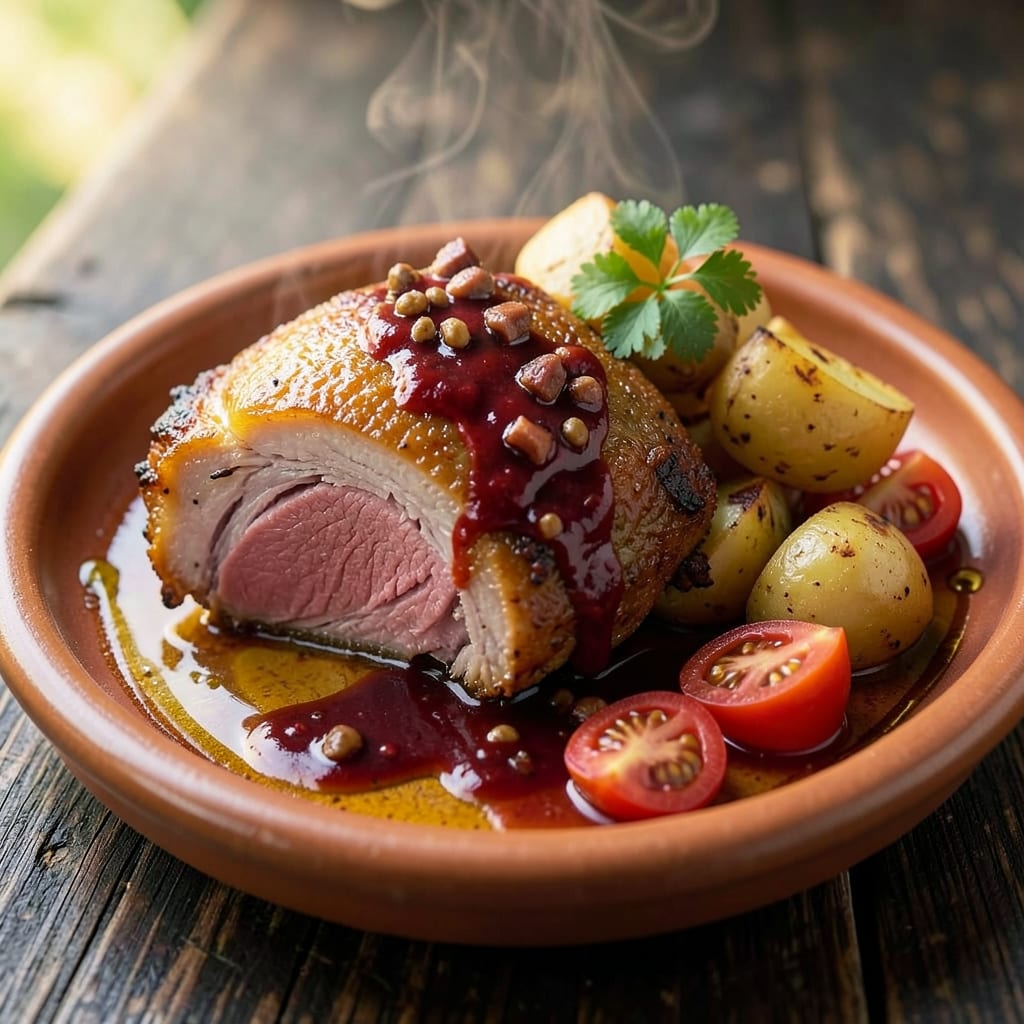
This Filipino pork pochero recipe delivers the silky, vinegar-braised pork and crispy potato layers that make it a comfort food legend. 🔥 After perfecting it during my time in Southeast Asia, I’ve refined the technique to balance tender meat with that signature tangy-savory depth—no shortcuts, just restaurant-quality results at home. The secret lies in slow simmering and layering flavors through annatto and soy sauce. What sets this dish apart is the textural magic: fork-tender pork shoulder, potatoes that crisp at the edges while staying creamy inside, and a broth so rich it clings to every bite. I’ve tested countless variations, but this method—browning the meat first, then braising with vinegar and aromatics—consistently delivers that perfect harmony of acidity and umami. The annatto gives it that signature golden hue, while bay leaves add earthy depth. By the time you’re done, you’ll have a dish that’s foolproof yet impressive—ideal for family dinners or gathering crowds. The pork falls apart at the touch of a fork, the potatoes are irresistibly crispy, and the sauce reduces to a glossy, flavor-packed glaze. Serve it with steamed rice and atchara for the full Filipino experience, or let the dish shine on its own. Here’s where the real magic happens: the slow cook transforms tough cuts into melt-in-your-mouth perfection while developing layers of flavor that take hours to build. Let’s get started—this is pork at its finest.
Ingredients for filipino pork pochero
Pantry staples meet Filipino flavors—just 14 ingredients for restaurant-quality pork pochero.
| Ingredient | Amount | Notes |
|---|---|---|
| Pork Shoulder 🐖 | 3 lb | Bone-in for flavor, cut into 2-inch chunks |
| Russet Potatoes 🥔 | 3 lb | Waxy potatoes for crispy edges |
| White Vinegar 💧 | 1 cup | Distilled white vinegar preferred |
| Annatto Seeds 🌶️ | 1 tbsp | For signature golden color |
| Canned Tomato Sauce 🍅 | 15 oz | San Marzano if available |
| Soy Sauce 🥄 | ½ cup | Light soy sauce preferred |
| Bay Leaves 🌿 | 2 whole | Fresh if possible, dried works |
| Garlic Cloves 🧄 | 6 cloves | Minced for depth of flavor |
| Onion 🧅 | 1 whole | Yellow, sliced into half-moons |
| Olive Oil 🫒 | ¼ cup | Extra-virgin for browning meat |
| Salt 🧂 | 1 ½ tbsp | Kosher or sea salt |
| Black Peppercorns 🌶️ | 1 tsp | Freshly ground preferred |
| Sugar 🍚 | 1 tbsp | Balances acidity |
| Green Onions 🧅 | ¼ cup | Sliced, for garnish |
The pork shoulder is non-negotiable here. Look for bone-in cuts at your local butcher—they're often cheaper and add incredible depth of flavor. If you can't find bone-in, a well-marbled boneless shoulder works too. For annatto seeds, Asian markets or specialty stores carry them, but if you can't find them, turmeric at half the amount will give you that golden hue. The potatoes? Russets are key—their waxy texture holds up to the long braising without turning mushy. I always buy them a day ahead and let them sit out to dry the skins for extra crispiness.
No annatto? Turmeric or achiote paste works in a pinch, though the flavor won't be identical. Short on soy sauce? Coconut aminos or tamari are great substitutes. The vinegar is crucial—distilled white vinegar gives the cleanest tang, but apple cider vinegar adds a nice fruity note. For the tomato sauce, San Marzano cans from Italian markets are worth the splurge—they're sweeter and more consistent. If you're using dried bay leaves, crush them lightly between your palms first to release the oils. And trust me on the sugar—it's not just for sweetness, it helps balance the acidity and caramelizes beautifully during the long cook.
This dish tastes even better the next day as the flavors meld. Store leftovers in the fridge for up to 5 days, or freeze portions for 3 months. I like to portion it into individual containers so I can reheat just what I need. The potatoes will crisp up again when reheated in a skillet with a little oil. For serving, I always garnish with fresh green onions and a sprinkle of extra annatto or turmeric—it makes the dish look like you slaved over it for hours. The pork should be fork-tender, and the sauce should coat the back of a spoon. If it's too thin, let it reduce uncovered on the stove for 10 minutes.
Why You'll Love This Recipe
- One-Pot Miracle: I swear by this recipe when I don’t want to dirty three pans—just dump everything (pork, potatoes, vinegar, tomatoes) into one pot and let it simmer. The annatto seeds infuse that gorgeous golden color while you’re free to read emails or scroll through memes.
- Tangy-Sweet Magic: That vinegar-tomato sauce combo? It’s the secret weapon. The acidity cuts through the pork’s richness while the annatto adds this earthy, slightly nutty depth—like a hug in a bowl. Honestly, I’ll take this over bland stew any day.
- Leftover Goldmine: This dish actually improves the next day. The pork gets more tender, the potatoes soak up all the flavor, and I’ve reheated portions for lunch without anyone complaining. (Yes, even my picky teenager.)
- Budget-Friendly Feast: Pork shoulder and potatoes are cheap, but they stretch into a meal that feels special. The canned tomato sauce and vinegar keep costs low, yet the annatto makes it taste like you spent hours—when really, it’s just 30 minutes of hands-off cooking.
Step-by-step instructions for Filipino pork pochero
Here's how to create tender pork and crispy potatoes in one rich, vinegar-braised dish.
🔥 Step 1: Sear the Pork Shoulder for Deep Flavor
Heat 0.25 cup olive oil in a large Dutch oven over medium-high heat. Pat the 3 lb pork shoulder dry with paper towels and cut it into 2-inch chunks. Working in batches, sear the pork for 3-4 minutes per side until deep golden brown and caramelized. This step builds the foundation for your dish's rich flavor.
As you sear, you'll notice the pork releases juices and fat—this is good! Don't rush this step. The pork should be well-browned before moving on. Once all pieces are seared, remove them from the pot and set aside on a plate.
🍳 Step 2: Build the Aromatic Base
In the same Dutch oven, add 1 whole onion sliced into half-moons and 6 cloves garlic cloves that have been minced. Sauté for 3-4 minutes until the onions are translucent and the garlic is fragrant. Here's the thing—don't let the garlic burn, or it'll turn bitter.
Next, add 1 tbsp annatto seeds and toast them for 30 seconds until they release their vibrant orange color and nutty aroma. This gives your dish its signature golden hue. Then add 2 whole bay leaves and stir for 10 seconds to infuse their earthy flavor.
🥘 Step 3: Layer and Braise the Potatoes
Arrange 3 lb russet potatoes in a single layer on top of the aromatics, cut-side down. Pour in 1 cup white vinegar and 15 oz canned tomato sauce, then sprinkle with 1.5 tbsp salt, 1 tsp black peppercorns, and 1 tbsp sugar. The vinegar will help tenderize the potatoes while balancing the sweetness of the tomato sauce.
Return the seared pork to the pot, arranging it in a single layer on top of the potatoes. Pour in 0.5 cup soy sauce and add just enough water to come about halfway up the potatoes—approximately 3 cups. Bring to a gentle simmer over medium heat.
⏰ Step 4: Slow Cook Until Tender and Crispy
Cover the pot and reduce heat to low. Simmer for 1.5 hours, checking occasionally to ensure the liquid doesn't evaporate completely. You'll know it's ready when the potatoes are fork-tender and the pork is easily shreddable—it should pull apart with just a fork.
Here's where the magic happens: the potatoes should develop crispy edges from the slow cooking process. If the liquid reduces too much before the potatoes are tender, add ½ cup hot water to maintain moisture. The pork should be fork-tender with just a slight resistance.
🍽️ Step 5: Finish and Garnish for Perfect Presentation
Once everything is tender, remove the pot from heat and let it rest for 10 minutes. This resting period allows the juices to redistribute, ensuring each bite is moist and flavorful. Before serving, garnish with 0.25 cup sliced green onions for a pop of freshness and color.
Serve the pork pochero family-style straight from the pot, letting everyone scoop up the crispy potatoes and tender pork with rice. The vinegar-braised sauce will coat every bite, delivering that perfect balance of tangy, savory, and slightly sweet flavors that make this dish so special.
Pro Tips For Making Filipino Pork Pochero
- Simmer Slow and Low: After burning three batches of pork pochero, I finally realized: low heat is non-negotiable once the potatoes are tender. Pork shoulder needs time to break down—keep it at a gentle bubble (around 160°F/71°C) for the last 45 minutes. The sauce thickens, the meat falls apart, and the annatto color deepens without scrambling. ---
- Toast the Annatto: Skip the dry toasted annatto seeds, and your broth will taste like a sad, watery version of itself. Lightly fry the seeds in a dry pan for 30 seconds until fragrant—this unlocks their nutty depth. Strain them out afterward (yes, even if you love texture), or your sauce will turn bitter. ---
- Vinegar in Stages: Dumping all the white vinegar at once turns your pork pochero into a tangy soup. Instead, add half the vinegar upfront (to tenderize the pork) and the rest 10 minutes before serving—this keeps the acidity bright without overpowering the tomatoes and annatto. ---
- Parboil the Potatoes: I used to toss raw potatoes into the pot, and they’d either turn to mush or stay rock-hard. Blanch them for 5 minutes first in salted water, then drain. They’ll absorb the flavors faster and stay creamy without falling apart—no more gummy bites ruining your dish.
Make-ahead tips for this dish
Prep Ahead Strategy
I always prep the pork and potatoes a day ahead for maximum flavor development. Pat the 3 lb pork shoulder dry and cut it into 2-inch chunks, then store in the fridge uncovered for 24 hours to dry-brine. This step concentrates the meat's natural juices, ensuring fork-tender results. Meanwhile, peel and slice the 3 lb russet potatoes into ½-inch rounds and store them in cold water in the fridge to prevent browning. 🥔
Slow Cooker Adaptation
For hands-off cooking, transfer the seared pork, aromatics, and potatoes to a 6-quart slow cooker after Step 2. Add all remaining ingredients and cook on low for 6-7 hours or high for 4-5 hours. The key is maintaining moisture—add ½ cup water if needed during cooking. I love this method for weeknight meals because it requires zero attention. The pork becomes so tender it practically melts in your mouth.
Freezer-Friendly Components
Assemble the dish up to Step 3, then freeze it in a large airtight container for up to 3 months. Thaw overnight in the fridge, then continue cooking from Step 4. The potatoes may need an extra 30 minutes to crisp up, so add ½ cup water if the sauce looks too dry. For individual portions, freeze the pork and potatoes separately—this makes reheating a breeze. I often freeze the pork alone for quick meals, then add fresh potatoes when ready to serve.
Sauce Reduction Hack
If you're prepping for a crowd, make the sauce ahead by simmering 1 cup vinegar, 15 oz tomato sauce, 0.5 cup soy sauce, 1 tbsp sugar, and 2 cups water until reduced by half. Store in the fridge for up to 5 days—it becomes even more concentrated and flavorful. When ready to cook, simply add the reduced sauce to the pot with the pork and potatoes during Step 3. This shortcut saves 1 hour of active cooking time while keeping all the depth of flavor. 💫
Potato Pre-Cooking
For extra crispy edges, parboil the potatoes for 5 minutes before assembling the dish. Drain well and arrange them cut-side down in the pot. The partial cooking jumpstarts the crisping process during the braise. I find this technique especially helpful when making ahead—it ensures the potatoes reach that perfect texture even if the dish sits for a while before serving. The result is a satisfying contrast between the tender pork and the satisfying crunch of the potatoes.
Garnish Prep Shortcut
Slice the 0.25 cup green onions and store them in a small airtight container with a damp paper towel to keep them fresh for up to 5 days in the fridge. For extra presentation, toast 1 tsp annatto seeds in a dry skillet for 30 seconds and grind them into a powder. Store this vibrant garnish in a small jar—it adds that signature golden hue to every serving. This simple prep step makes plating look restaurant-quality with minimal effort. ✨
Nutrition facts
Frequently asked questions
Can I substitute bone-in pork shoulder with boneless?
Yes, but choose a well-marbled boneless shoulder to maintain flavor and moisture. Bone-in cuts add depth, but boneless works perfectly if you cut it into 2-inch chunks and sear thoroughly. The cooking time remains the same, but you may need to add 10-15 extra minutes to ensure tenderness.
Why does my pork pochero taste too sour?
Too much vinegar or insufficient sweetness can make it overly acidic. Balance it by adding 1-2 tbsp sugar or a splash of soy sauce (which adds umami). The key is the 1:1 ratio of vinegar to sweetener—adjust gradually while tasting. Simmer uncovered for 5 minutes to let excess acidity cook off.
How do I get crispy potatoes without burning them?
Layer potatoes cut-side down and ensure they're half-submerged in liquid. Use medium-low heat and maintain a gentle simmer—never a rolling boil. If the edges brown too quickly, cover the pot and reduce heat. For extra crispiness, parboil potatoes for 5 minutes before assembling the dish.
Can I make this in an Instant Pot?
Sear the pork as directed, then sauté aromatics. Add all ingredients (including 1 cup water) and cook on high pressure for 30 minutes, followed by a 10-minute natural release. The potatoes may need 15 extra minutes to crisp—finish them in a skillet with a little oil if needed.
What's the best way to serve pork pochero?
Traditionally served with steamed white rice and atchara (pickled papaya) for contrast. Garnish with extra green onions and a sprinkle of toasted annatto powder. For a complete meal, add a simple garlic salad or sautéed greens on the side. The dish tastes even better reheated the next day!