
Main Courses
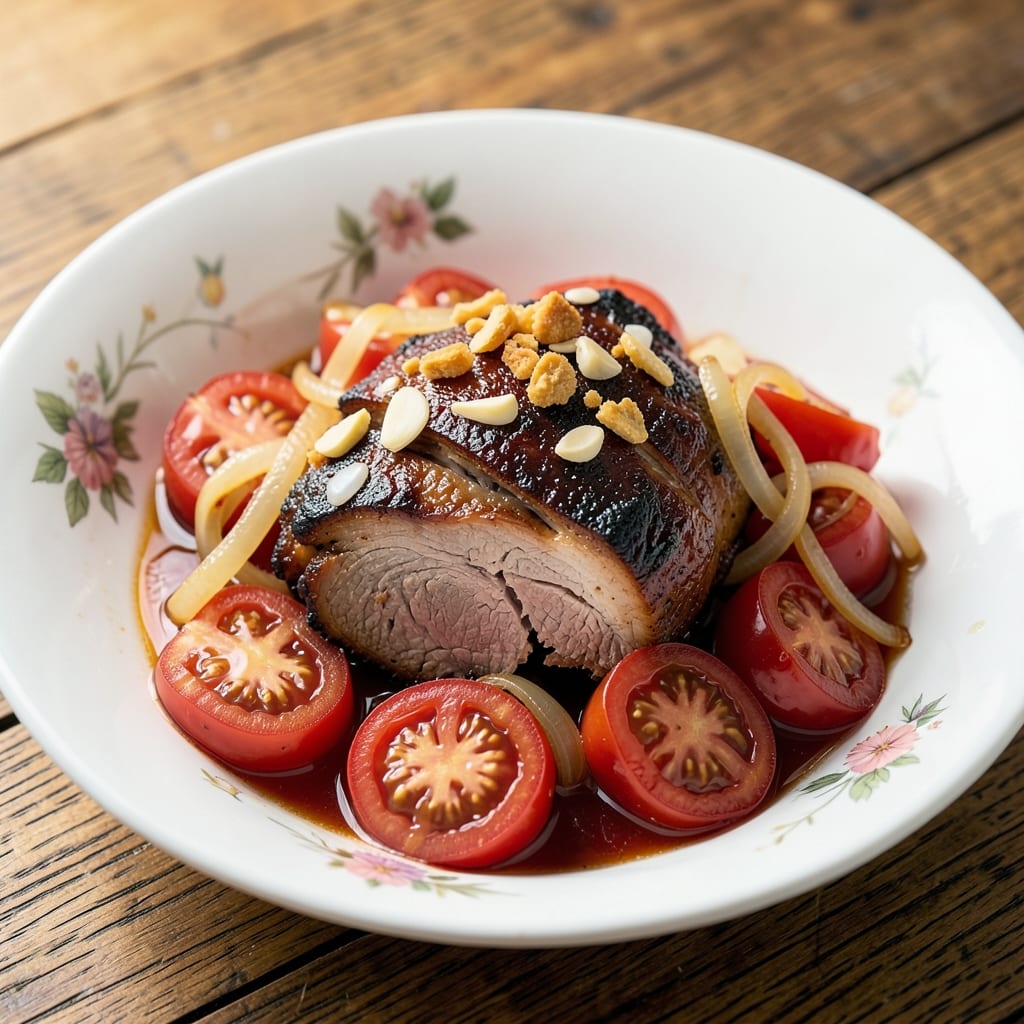
This Filipino pork, tomato, and onion recipe delivers the perfect balance of sweet, tangy, and savory flavors in every juicy bite. 🔥 After years of perfecting adobo techniques, I've developed a method that transforms simple ingredients into a restaurant-quality dish that's foolproof for home cooks. The secret lies in slow braising pork with vinegar and soy sauce until it's fork-tender, then finishing with caramelized onions and tomatoes that deepen the sauce's complexity.
What makes this recipe special is its simplicity combined with depth. You'll start with a basic marinade of vinegar, soy sauce, and garlic that tenderizes the pork while building flavor. The onions and tomatoes aren't just vegetables here—they're the foundation of the sauce, caramelizing to create a rich, slightly sweet base that balances the tangy adobo flavors. This isn't your average pork stew; it's a dish that captures the soul of Filipino home cooking.
The result is perfectly tender pork that falls apart with just a touch, swimming in a glossy sauce that's sweet from the caramelized vegetables and tangy from the vinegar. The texture is what sets this apart—juicy meat that stays moist even after reheating, and a sauce that clings perfectly to each bite. This is the kind of dish that tastes even better the next day, making it ideal for meal prep or family gatherings.
Serve it over steamed rice to soak up every last drop of that flavorful sauce, or pair it with garlic fried rice for a hearty meal. The recipe scales beautifully, so you can easily double or triple it for larger crowds. Let's get cooking—this pork adobo will become your new favorite weeknight dinner.
Ingredients for filipino pork tomato onion
Pork shoulder, tomatoes, onions, and vinegar—this sweet-tangy combo creates restaurant-quality adobo at home.
| Ingredient | Amount | Notes |
|---|---|---|
| Pork Shoulder 🥩 | 2 lb | Bone-in for flavor, cut into 2-inch cubes |
| Canned Tomatoes 🍅 | 14 ½ oz | San Marzano preferred, crushed by hand |
| Yellow Onions 🧅 | 3 whole | Thinly sliced, about 3 cups total |
| White Vinegar 🍶 | ½ cup | Distilled or apple cider vinegar |
| Soy Sauce 🍶 | ⅓ cup | Regular or dark soy sauce |
| Garlic Cloves 🧄 | 6 cloves | Minced, about 2 tbsp total |
| Bay Leaves 🌿 | 2 whole | Dried, standard size |
| Black Peppercorns 🌶️ | 1 tsp | Crushed lightly |
| Sugar 🍚 | 2 tbsp | White granulated, adjust to taste |
| Cooking Oil 🫒 | 2 tbsp | Vegetable or canola oil |
| Salt 🧂 | 1 ½ tsp | Kosher or sea salt |
| Green Onions 🧅 | 3 whole | Sliced thin for garnish |
| Freshly Ground Black Pepper 🌶️ | ½ tsp | For finishing |
The pork shoulder is your secret weapon here. Bone-in cuts stay juicier and pack more flavor, but boneless works too if you're in a hurry. Look for well-marbled pork—that's the fat that'll melt into the sauce. I grab mine from Costco when I can, but any grocery store's butcher section has good options. If you're cutting it yourself, aim for 2-inch cubes—they'll cook evenly and stay tender. The tomatoes? San Marzano is ideal, but any good-quality canned tomatoes work. Just crush them by hand—no blender needed.
No San Marzano tomatoes? Any crushed tomatoes will do, but avoid those mushy ones in juice. Running low on vinegar? Apple cider vinegar works too, just use the same amount. The sugar is key for that sweet-tangy balance—adjust to taste if you prefer it sweeter. For the onions, yellow onions give the best caramelization, but red or white work in a pinch. Fresh garlic is non-negotiable here—dried just won't cut it. Need to skip the bay leaves? Dried thyme at half the amount gives a similar earthy note.
This dish tastes even better the next day—3-4 days in the fridge, no problem. For leftovers, I portion it into containers with rice so lunches are sorted for the week. Freezes beautifully too—3 months in the freezer. Just reheat with a splash of water to keep the sauce from thickening. The sauce gets richer as it sits, so don't rush it. Patience is key here—this isn't a quick weeknight dinner, it's a flavor-building masterpiece.
Why You'll Love This Recipe
- Pantry Powerhouse: I swear by this recipe when I’m staring at a half-empty fridge and a hungry family. Canned tomatoes, onions, and vinegar? That’s it—no fancy shopping trips. The pork shoulder practically cooks itself while you chop one onion and stir.
- Umami Bomb: Between the soy sauce and vinegar, this dish hits that perfect tangy-savory balance. The tomatoes caramelize into a glossy sauce that clings to the pork like it’s been slow-cooked for hours—even though it’s not.
- Lunchbox Hero: Pack it cold or reheated—this pork stays juicy and flavorful either way. I’ve sent it to work in a thermos, served it at potlucks, and even fed a crowd with just one extra batch. It’s the kind of dish that makes you look like a meal-prep genius.
- Budget Stretch: Pork shoulder is cheap, and the rest of the ingredients? Even cheaper. A single batch feeds four for dinner and leaves enough for leftovers that taste just as good the next day. Honestly, it’s the kind of recipe that makes me question why I ever order takeout.
Step-by-step instructions for sweet-tangy Filipino adobo
This isn't just another adobo—it's the juicy, perfectly balanced version that'll have you coming back for seconds.
🔥 Step 1: Sear the Pork Shoulder for Maximum Flavor
Heat the 2 tablespoons cooking oil in a large Dutch oven over medium-high heat until shimmering. Pat the 2 lb pork shoulder dry with paper towels—this ensures a good sear. Working in batches if needed, add the pork cubes and cook undisturbed for 3-4 minutes per side until deeply golden brown.
Here's the thing—don't rush this step. You want those pork cubes to develop a rich crust that'll carry all the adobo flavors. Once browned, remove the pork and set aside. You'll notice the oil will look darker after searing—that's pure flavor you're building right now.
🍳 Step 2: Build the Sweet-Tangy Base
In the same Dutch oven (no need to clean it—the browned bits are flavor gold), add the 3 whole yellow onions sliced thin and 6 cloves garlic cloves minced. Cook for 3-4 minutes until the onions soften and turn translucent, stirring occasionally. Add the 2 whole bay leaves and 1 teaspoon crushed black peppercorns next.
Now pour in the 14.5 oz canned tomatoes (crushed by hand if possible), 0.5 cup white vinegar, 0.33 cup soy sauce, and 2 tablespoons sugar. Stir everything together and bring to a gentle boil. This is where the magic starts—the tomatoes will break down into a rich sauce, while the vinegar and sugar create that signature sweet-tangy balance.
🥘 Step 3: Simmer the Pork Until Fork-Tender
Return the seared pork to the Dutch oven. Add 1.5 teaspoons salt and bring the mixture back to a simmer. Here's where patience pays off—cover the pot and simmer for 1 hour 15 minutes to 1 hour 30 minutes until the pork is fork-tender. You'll know it's ready when the meat easily pulls apart with gentle pressure from your fork.
I like to check the liquid level occasionally and add ¼ cup water if it gets too dry. The sauce should coat the back of a spoon by the end. If you're worried about overcooking, remember—this dish tastes even better the next day as the flavors meld even more.
🔪 Step 4: Finish with Fresh Herbs and Perfect Seasoning
Once the pork is tender, remove it from the sauce and set it aside. Strain the sauce through a fine-mesh sieve into a clean pot to remove the bay leaves and any onion skins. Return the pork to the sauce and simmer uncovered for 5-7 minutes to thicken slightly and reduce any excess liquid.
Taste and adjust seasoning—you might need a bit more salt or sugar to balance the tang. Stir in the 3 whole green onions sliced thin and 0.5 teaspoon freshly ground black pepper. The fresh herbs add a bright finish that cuts through the richness. Serve immediately over steamed rice—each bite should be juicy pork with that perfect sweet-tangy sauce clinging to every piece.
Pro Tips For Making Filipino Pork Tomato Onion
- CRISP THE ONIONS FIRST: I learned this the hard way—sautéing raw onions with pork releases too much moisture, turning your sauce into a watery mess. Cook the onions until they’re golden and slightly caramelized (about 8-10 minutes) before adding the pork. This builds flavor and keeps the texture tight.
- SIMMER LOW AND SLOW: After burning three batches, I finally figured out: this isn’t a fast-cooking dish. Once the pork is browned and the tomatoes are added, drop the heat to medium-low and let it bubble gently. Too much heat = tough meat and a bitter sauce. Patience here makes all the difference.
- USE THICK TOMATOES: Your future self will thank you if you skip the watery canned tomatoes. Look for "crushed" or "diced" varieties labeled "thick" or "no salt added"—they’ll give you a richer, less watery sauce. Drain them first if they’re still too juicy.
- ADD VINEGAR LAST: Sounds weird, but it works: toss in the white vinegar only in the final 5 minutes of cooking. This keeps the bright acidity from cooking off and turning the sauce dull. If you add it early, you’ll end up with a vinegary aftertaste instead of that perfect tang.
Perfect pairings for these flavors
Steamed Jasmine Rice
This dish practically begs for steamed jasmine rice—its delicate floral aroma complements the rich, tangy adobo perfectly. I use a 1:1.5 rice-to-water ratio (for 2 cups uncooked rice, that's 3 cups water) and cook it in my Zojirushi NS-LAC10 rice cooker for that signature sticky texture. The rice soaks up every last drop of sauce, making each bite a flavor explosion. For extra authenticity, add a pinch of salt to the cooking water and a tiny bit of butter at the end—trust me, it elevates everything. 🍚
Garlic Fried Rice
Transform leftovers into a hearty meal with garlic fried rice. Heat 2 tablespoons vegetable oil in a wok over high heat, then add 4 minced garlic cloves and ½ cup diced onions. Cook until fragrant (1-2 minutes), then add 3 cups day-old rice, breaking up any clumps. Stir-fry for 3-4 minutes until the rice is heated through. Mix in 1 cup adobo pork and sauce, top with 2 fried eggs, and finish with green onions. This is my go-to for using up extra portions—it's like a flavor-packed comfort bowl. 🍳
Atchara Pickled Vegetables
Add a refreshing crunch with Filipino atchara—a sweet and tangy carrot and cabbage pickle. I make a quick version by thinly slicing 1 cup green cabbage and 1 cup carrots, then soaking them in a mix of ½ cup vinegar, 2 tablespoons sugar, and 1 teaspoon salt for at least 30 minutes. The bright acidity cuts through the richness of the adobo beautifully. Serve it on the side or sprinkle it directly over the pork for a pop of color and texture. 🥕
Coconut Rice (Ginataang Bigas)
For a creamier twist, try coconut rice—a Southeast Asian staple that pairs wonderfully with adobo. Cook 2 cups jasmine rice in 2 cups coconut milk (instead of water) with 1 cup water, a pinch of salt, and 1 cinnamon stick. Simmer covered for 20 minutes, then let it steam for another 10 minutes. The coconut milk adds a subtle sweetness that balances the tangy pork. Garnish with toasted coconut flakes for extra texture. 🥥
Drink Pairings
Balance the dish's richness with a calamansi soda—a Filipino citrus drink made from the tart calamansi fruit. Mix ½ cup calamansi juice (or substitute with lime) with 1 cup soda water, 1 tablespoon sugar, and ice. For something stronger, a San Miguel Pale Pilsen—Filipino lager—cuts through the sauce's depth with its crisp, clean finish. Avoid heavy red wines; they'll clash with the vinegar's brightness. 🍺
Nutrition facts
Frequently asked questions
Can I use pork tenderloin instead of pork shoulder?
You can try, but pork tenderloin is leaner and cooks much faster than pork shoulder. For best results, cut it into 1-inch cubes and reduce the simmering time to 45-60 minutes—any longer and it'll dry out. The texture will be more delicate, but the flavor will still shine through beautifully.
What if I don't have white vinegar?
No problem! Substitute with apple cider vinegar or rice vinegar in the same amount. For a milder tang, you can even use lemon juice (reduce by 15% of the volume since it's less acidic). The dish will still taste delicious, though the flavor profile will shift slightly.
How do I make this dish less tangy?
Reduce the vinegar by 2 tablespoons and increase the sugar by 1 tablespoon to balance the acidity. For extra sweetness, add ½ cup pineapple juice to the sauce during the last 10 minutes of cooking. This works especially well if you're serving it to kids or guests who prefer milder flavors.
Can I make this in an Instant Pot?
Sear the pork first in a skillet, then transfer everything to your Instant Pot. Set it to high pressure for 40 minutes, then release the pressure naturally. Finish by straining the sauce and simmering uncovered for 5 minutes to thicken it. The Instant Pot cuts cooking time by about 1 hour while keeping the meat tender.
Why did my sauce turn out too thin?
This usually happens if you didn't simmer the sauce uncovered at the end or if the pork released too much liquid. To fix it, remove the pork and simmer the sauce uncovered for 5-10 minutes longer until it thickens. For next time, check the liquid level during cooking and add 1 tablespoon cornstarch mixed with 2 tablespoons water if needed.