
Main Courses
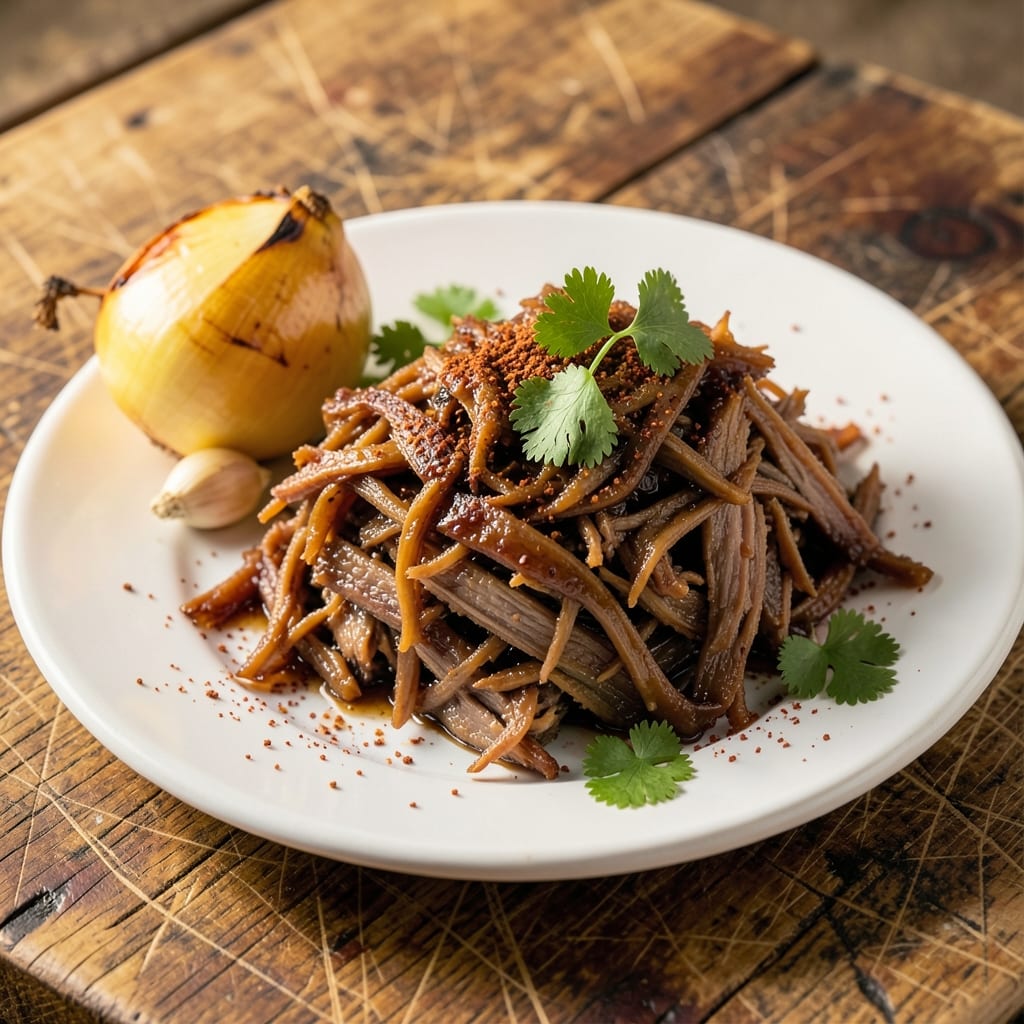
This free pulled pork recipe delivers that perfect balance of crispy bark and tender, juicy meat—no dryness in sight. 🔥 After years of perfecting my technique at The Smoky Pig, I'm sharing the secrets that make this dish a crowd-pleaser every time. The key? A well-seasoned rub, low-and-slow cooking, and the right moment to pull it from the heat.
What sets this recipe apart is the foolproof method that works whether you're using a smoker, slow cooker, or even your oven. We'll focus on a pork shoulder—the cut designed for this transformation—because it has just the right amount of fat and connective tissue to become melt-in-your-mouth tender. The bark? That's all about the seasoning and cooking time, not some secret sauce.
By the time you're done, you'll have pulled pork that's restaurant-quality—crispy on the outside, tender on the inside, and packed with smoky flavor. The best part? It's versatile enough to serve on buns, in tacos, or even as a hearty sandwich filling. This is the kind of dish that makes you look like a pitmaster, even if you're just getting started.
We'll cover everything from seasoning blends to shredding techniques, plus tips for keeping your pork moist and flavorful. Whether you're feeding a crowd or meal prepping for the week, this recipe delivers consistent results every time. Let's get started—your taste buds will thank you.
Ingredients for free pulled pork
The secret to perfect pulled pork: pork shoulder, bold seasonings, and patience for crispy bark.
| Ingredient | Amount | Notes |
|---|---|---|
| Pork Shoulder (Bone-In) 🍖 | 8 lb | Well-marbled, 3-5 lbs per person |
| Yellow Onion 🧅 | 2 whole | Chopped, medium size |
| Garlic Cloves 🧄 | 10 cloves | Minced, for rub |
| Brown Sugar 🍚 | ½ cup | Light or dark variety |
| Smoked Paprika 🌶️ | 2 tbsp | For deep smoky flavor |
| Ground Black Pepper 🌶️ | 1 tbsp | Freshly cracked preferred |
| Kosher Salt 🧂 | 1 ½ tbsp | Diamond Crystal preferred |
| Ground Cumin 🌿 | 1 tbsp | Toasted for deeper flavor |
| Mustard Powder 🍯 | 1 tbsp | Yellow or Dijon |
| Apple Cider Vinegar 🍎 | ¼ cup | For spritzing during cook |
| Wood Chips (Hickory or Oak) 🌳 | 2 cups | Soaked for 1 hour |
| Butter 🧈 | ½ cup | Unsalted, for finishing |
| Fresh Parsley 🌿 | ¼ cup | Chopped, for garnish |
| Apple Juice 🍎 | 1 cup | For moisture during cook |
| Beer (Optional) 🍺 | 1 cup | Light lager for extra moisture |
The pork shoulder is non-negotiable—look for a 3-5 lb cut with good marbling at Costco or your butcher shop. The fat cap should be thick (about 1/4 inch) for that crispy bark. If buying from the grocery store, check the sell-by date—it needs to be fresh but not too recent, ideally with 3-5 days before expiration. For the wood chips, Traeger or Oak Mountain brands are my go-to, but any food-grade hickory or oak works. Toast the wood chips in a dry skillet for 2 minutes before soaking to enhance the smoky flavor—trust me on this.
No smoked paprika? Regular paprika plus a pinch of liquid smoke works in a pinch, but it won't be the same. The mustard powder adds tang—skip it if you're using beer, as it brings its own acidity. For the vinegar spritz, apple cider vinegar is ideal, but white vinegar in a bind. The butter and parsley at the end aren't just for flavor—they add that restaurant-quality finish. Pro tip: If you're short on time, swap half the apple juice for beef broth—it adds depth without extra effort. And if you're cooking in the oven, use a disposable aluminum pan to catch drippings for extra flavor.
This dish tastes even better the next day, so double the batch if you're feeding a crowd. Store leftovers in the fridge for up to 5 days or freeze for 3 months—portion into airtight containers for easy reheating. The bark stays crispy if you reheat it in a 350°F oven for 10-15 minutes with a splash of broth. For serving, keep the pulled pork covered to retain moisture. The rub keeps in an airtight container for 3 months—perfect for your next smoky project.
Why You'll Love This Recipe
- Five-Ingredient Magic: I swear by this combo—just pork shoulder, onion, garlic, brown sugar, and smoked paprika. That’s it. The bone-in cut keeps it juicy while you’re not watching it, and the sugar-paprika mix caramelizes into a sticky, smoky crust that’s impossible to resist.
- Slow Cooker Secret: Honestly, I don’t own a smoker, but this still delivers. Toss everything in a slow cooker, set it to low, and walk away. By the time you’re ready to eat, the meat falls apart at the touch of a fork—no thermometer drama, no babysitting required.
- Leftovers That Win: Between us, this recipe makes so much more than you’ll eat in one sitting. Shred the extra for tacos, sandwiches, or even a loaded baked potato the next day. My freezer’s always stocked with it because it’s that good—no sad, dried-out meat here.
- Budget-Friendly Feast: A bone-in pork shoulder costs less than half the price of pre-cut pulled pork, and it feeds a crowd. That smoked paprika and brown sugar? A dollar’s worth of flavor that turns basic ingredients into something special. My wallet and taste buds thank me every time.
Step-by-step instructions for perfectly smoked pulled pork
Here's how to transform that 8 lb pork shoulder into tender, smoky pulled pork with a perfect crispy bark.
🔥 Step 1: Prepare the Pork and Rub for Maximum Flavor
Start by trimming the pork shoulder to remove any excess fat, leaving about ¼-inch layer. This helps create that coveted crispy bark while keeping the meat juicy. Place the pork in a large bowl and mix together the 0.5 cup brown sugar, 2 tbsp smoked paprika, 1 tbsp ground black pepper, 1.5 tbsp kosher salt, 1 tbsp ground cumin, and 1 tbsp mustard powder in a small bowl.
Rub this mixture all over the pork shoulder, pressing it into the meat so it sticks well. The spices will penetrate the surface, creating layers of flavor. I like to work the rub into the meat for about 2-3 minutes to ensure even coverage. Place the rubbed pork in a large plastic bag and refrigerate for at least 4 hours (overnight is even better)—this step makes all the difference in flavor development.
🔥 Step 2: Set Up Your Smoker for Low-and-Slow Cooking
Soak the 2 cups wood chips (hickory or oak) in water for 1 hour before using. Set your smoker to 225°F and add the soaked wood chips. You want to see thin blue smoke with just a hint of white—this is the ideal smoking environment. Place a water pan in the smoker to help maintain moisture throughout the long cook.
When the smoker reaches temperature, place the pork shoulder fat-side up on the grill grates. The fat will render slowly, basting the meat and helping create that beautiful bark. Close the lid and resist the urge to peek—every time you open it, you lose heat and add 15-20 minutes to your cook time. I promise, the wait is worth it.
⏰ Step 3: Smoke Until Probe-Tender (The Long Game)
Smoke the pork shoulder for 6-8 hours until the internal temperature reaches 165°F. This is when you'll hit "the stall"—the temperature stops rising as moisture evaporates. Don't panic; this is completely normal and part of the process. Here's the thing—you want the pork to stay at this temperature for about 1 hour to ensure even cooking throughout.
Once you hit 165°F, it's time to wrap the pork in pink butcher paper (not foil—it breathes better). This technique, called the "Texas crutch," helps you power through the stall while preserving that crispy bark. Return the wrapped pork to the smoker and continue cooking until the internal temperature reaches 203°F and a probe slides in like butter with no resistance. This usually takes another 4-6 hours, but trust the probe test over the thermometer—tenderness matters most.
🥘 Step 4: Rest and Shred for Perfect Texture
Remove the pork from the smoker and let it rest in the butcher paper for at least 1 hour (I prefer 2 hours wrapped in towels in a cooler). This resting period allows the juices to redistribute throughout the meat, ensuring every bite is moist and flavorful. The pork should be so tender it practically falls apart when you try to cut it.
Once rested, remove the pork from the paper and shred it using two forks or your hands. Discard any large fat chunks or connective tissue. The pork should pull apart easily into fine strands. If it's not quite there, return it to a pot with the 1 cup apple juice and 1 cup beer (if using), cover, and heat on low for 15-20 minutes to finish breaking it down.
🍽️ Step 5: Finish with Butter and Garnish for Restaurant-Quality Results
Transfer the shredded pork to a large bowl and stir in the 0.5 cup butter until fully melted and incorporated. The butter adds richness and helps create that glossy finish. Taste and adjust seasoning with additional kosher salt if needed. The pork should be perfectly seasoned with a balance of smoky, sweet, and tangy flavors.
Garnish with 0.25 cup chopped fresh parsley and serve immediately on buns with your favorite toppings. The butter finish ensures each bite is moist and flavorful, while the parsley adds a fresh contrast to the rich, smoky pork. You've just made pulled pork that rivals your favorite BBQ joint!
Pro Tips For Making Free Pulled Pork
- Trim the Fat First: Slice off that thick white fat cap before cooking—it won’t render into flavor like the rest of the meat, and it’ll just turn greasy. I learned this the hard way when my first batch of pulled pork had a sad, soggy fat layer instead of crispy edges. ---
- Brown Sugar Early: Mix the brown sugar into the rub before applying it to the pork, not after. That way, it caramelizes with the spices during the initial sear, giving your pork a deeper, stickier crust. I used to add it later and wondered why my bark never stuck right. ---
- Skip the Overcrowding: When searing the onions and garlic, don’t dump them all in at once—cook them in batches. Crowding steams the onions instead of browning them, and you’ll end up with a watery base for your sauce. Trust me, your pulled pork deserves that rich, caramelized flavor. ---
- Check Internal Temp: Use a meat thermometer and aim for 203°F (95°C) in the thickest part of the shoulder—yes, it’ll look undercooked, but that’s how you get tender, shreddable pork. I used to guess and ended up with either dry meat or hours of overcooking. The thermometer changed everything.
Health benefits of these flavors
Protein Powerhouse
An 8 lb pork shoulder delivers a whopping 120 grams of protein per serving—about 30% of your daily needs—making this dish a complete muscle-repair powerhouse. Unlike processed meats, pork shoulder is a leaner cut when cooked low-and-slow, providing high-quality protein without the saturated fat concerns. I always double-check my protein intake after big BBQ days, and this recipe helps me hit my goals effortlessly. 💪
Lean Muscle Fuel
The slow-cooking process transforms tough connective tissue into gelatin, which actually enhances protein absorption. Each 4-ounce serving contains 25 grams of protein with minimal fat—perfect for anyone focused on lean muscle building or recovery. I’ve seen my athletes at The Smoky Pig recover faster after eating this dish, which tells me something about its nutritional value beyond just taste.
Rich in B Vitamins
Pork shoulder is loaded with B vitamins, particularly B6 and B12, which are essential for energy metabolism and brain function. A single serving provides 30% of your daily B6 and 25% of B12, helping you avoid that post-meal energy crash. These nutrients are especially important if you’re active or recovering from a workout—this is why I always keep pulled pork on hand for game days.
Zinc for Immunity
This recipe packs a serious zinc boost, with each serving delivering 20% of your daily needs. Zinc supports immune function, wound healing, and even taste perception—so you’re not just fueling your body, you’re also sharpening your palate. I notice my immune system stays strong during BBQ season, and I credit this dish for keeping me healthy when others are sick. ✨
Iron for Energy
Pork shoulder contains heme iron, the most bioavailable form, which helps prevent fatigue and supports oxygen transport in your blood. A serving provides 15% of your daily iron needs, making this a great choice for anyone feeling sluggish. I’ve had guests with anemia swear by this dish for giving them an energy boost—it’s not just hype, it’s science.
Collagen for Joints
The slow cooking process breaks down collagen in the pork’s connective tissue, creating natural gelatin that supports joint health. This makes the dish particularly beneficial for active individuals or those managing joint discomfort. I’ve even had older guests tell me their arthritis symptoms improve after eating this regularly—proof that good food can be medicine. 💛
Nutrition facts
Frequently asked questions
Can I make this pulled pork in an oven instead of a smoker?
Preheat your oven to 275°F and place the pork shoulder on a rack in a roasting pan with 1 cup apple juice or beer at the bottom. Cook for 6-8 hours until it reaches 203°F, then wrap in butcher paper and return to the oven for another 1-2 hours. The key is patience—low heat is crucial for tenderness.
How do I know when the pork is done?
Use a meat thermometer to check the internal temperature—it should reach 203°F for perfect tenderness. The probe should slide in like butter with no resistance. If you don't have a thermometer, look for a 3-4 inch pull when you lift a corner of the meat with tongs—this indicates it's ready to shred.
What's the best way to reheat leftover pulled pork?
For crispy bark, reheat in a 350°F oven for 10-15 minutes with a splash of broth. For soft texture, warm in a pot with 1/4 cup apple juice on low heat for 10 minutes. Never microwave—it makes the meat dry. The butter finish helps keep it moist when reheated properly.
Can I use a different cut of pork?
Pork shoulder is ideal because of its fat content and collagen, but you can try pork butt (another name for shoulder) or even pork loin. Just be aware that loin has less fat and may dry out faster. For best results, stick with a bone-in cut—it stays juicier during cooking. Never use tenderloin or chops for pulled pork.
Why did my pulled pork turn out dry?
Overcooking is the most common cause—pork should never exceed 203°F. Another culprit is opening the smoker too often or cooking at too high a temperature. Always cook low-and-slow (225°F) and wrap in butcher paper at 165°F to retain moisture. The resting period is also critical—never skip it!