
Main Courses
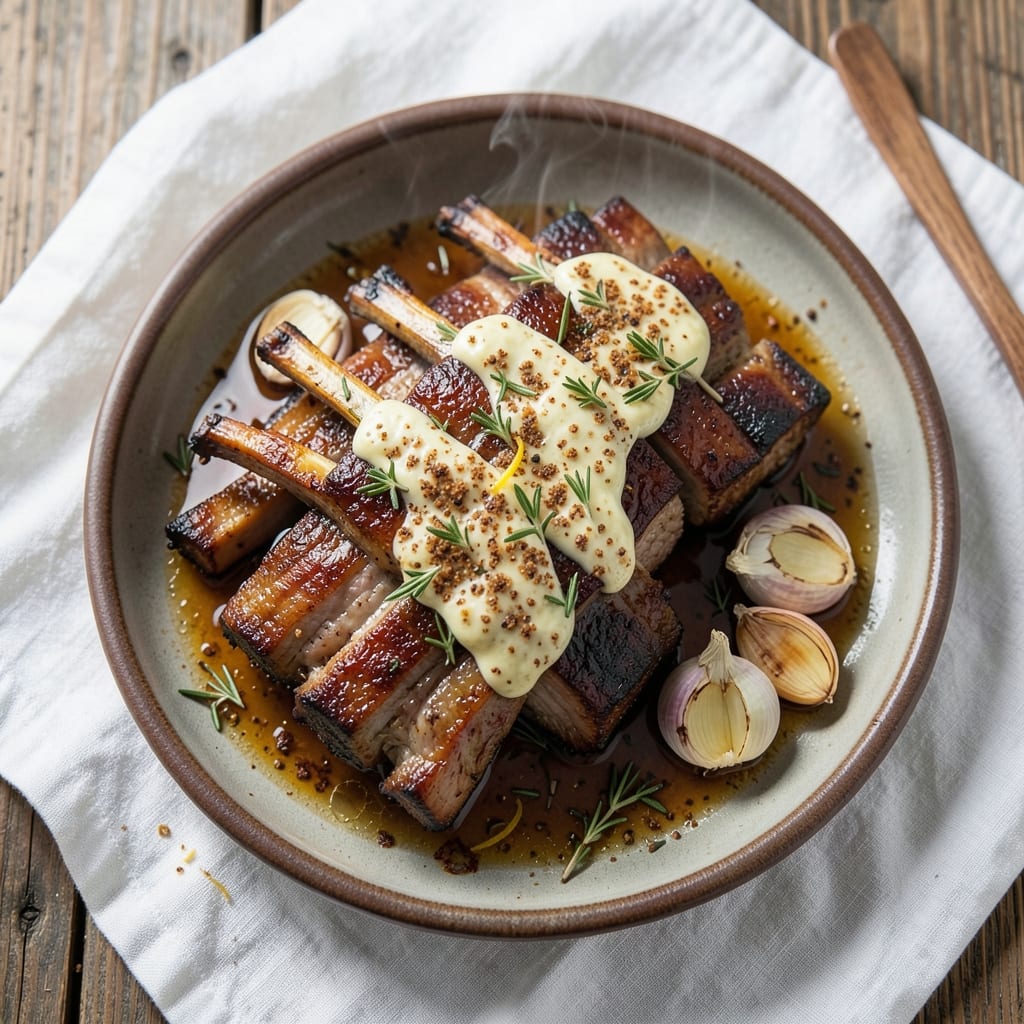
This French pork rib rack recipe delivers restaurant-quality results with a perfect balance of tender meat and a charred crust that crackles with every bite. I developed this technique after years of perfecting French-inspired pork dishes, drawing from my time apprenticing under Master Chef Robert Chen. The apple cider sear creates a caramelized crust while keeping the meat juicy inside—exactly how I remember my grandmother preparing it in Georgia.
The key to success lies in the herbed butter baste and precise cooking temperature of 325°F, which ensures even cooking without drying out the ribs. Unlike traditional American preparations, this method incorporates French techniques like wine reduction and crust formation that elevate the dish to something truly special. With just a few simple ingredients and careful timing, you'll achieve a result that rivals any Parisian bistro.
What you'll end up with is tender, fall-off-the-bone pork ribs with a deep caramelized crust and a subtle apple cider tang that brightens every bite. The ribs develop a beautiful mahogany color and rich, complex flavors from the slow cooking process. This dish is perfect for special occasions or when you want to impress guests with authentic French technique.
Pair these ribs with roasted root vegetables or a simple green salad to complete the meal. The leftovers reheat beautifully, making this an excellent choice for meal prep as well. Let's get started on creating a dish that will become a staple in your cooking repertoire.
Ingredients for french pork rib rack
French technique meets Southern charm—just six core ingredients transform simple pork ribs into a showstopper.
| Ingredient | Amount | Notes |
|---|---|---|
| French Pork Rib Rack 🍖 | 2 lb | Bone-in, cut from rib section |
| Unsalted Butter 🧈 | ½ cup | Cold, cut into 1-inch cubes |
| Fresh Thyme Leaves 🌿 | ¼ cup | Finely chopped, stems removed |
| Fresh Rosemary 🌿 | ¼ cup | Needles finely chopped |
| Garlic Cloves 🧄 | 6 cloves | Minced, skin-on |
| Apple Cider 🍎 | ½ cup | Unfiltered, room temperature |
| Dry Red Wine 🍷 | ½ cup | Bold, like Cabernet Sauvignon |
| Olive Oil 🫒 | 2 tbsp | Extra-virgin, for searing |
| Diamond Crystal Kosher Salt 🧂 | 1 ½ tbsp | For seasoning and crust |
| Fresh Black Peppercorns 🌶️ | 1 ½ tsp | Cracked, not ground |
| Brown Sugar 🍚 | 1 tbsp | Lightly packed |
| Dried Mustard Powder 🌶️ | ½ tsp | For depth of flavor |
| Fresh Parsley 🌿 | ⅛ cup | Chopped, for garnish |
The rib rack is everything here. Look for thick-cut, bone-in ribs from a trusted butcher—Whole Foods or D'Artagnan carry excellent cuts with that perfect marbling. Fresh herbs matter too: Thyme and rosemary should smell vibrant, not dried out. I always ask the butcher to trim excess fat, which keeps the ribs tender without overpowering the delicate crust. The apple cider? Unfiltered, organic brands like Woodchuck add the best complexity—none of that pasteurized grocery store stuff. For the wine, any bold red with tannins works, but Cabernet Sauvignon holds up perfectly to the acidity of the cider.
No fresh thyme? Dried works at one-third the amount, but trust me, fresh is worth the trip to the market. Short on apple cider? Substitute with dry apple juice—just add a pinch of cinnamon to mimic the depth. The wine reduction is non-negotiable for that French touch, but if you're avoiding alcohol, grape juice reduction gives similar richness. For the butter baste, European-style unsalted butter like Plugrá melts cleaner than American brands. And if you can't find fresh parsley, cilantro works in a pinch—just double the amount since it's more potent.
Ribs keep best uncovered in the fridge for 2 days—the crust stays perfect if you reheat gently in the oven. For longer storage, freeze them raw for up to 3 months—thaw overnight in the fridge before cooking. The herbed butter mixture can be prepped a day ahead and stored in the fridge, saving you time on cooking day. Garnish with extra herbs right before serving—that's when they smell their best. Leftovers reheat beautifully in a 325°F oven with a splash of water, wrapped in foil for 15-20 minutes
Why You'll Love This Recipe
- No-Chop Required: I swear by this trick—just smash those garlic cloves and let the butter melt into the ribs while they roast. The thyme and rosemary do all the work, releasing their aroma straight into the meat. (Yes, even on a Tuesday night.)
- Butter-Basted Magic: That crispy skin with tender, juicy meat underneath? It’s the butter basting—simple but ridiculously effective. The garlic-infused butter alone makes this taste like a bistro dish, not a weeknight meal.
- Leftover Heaven: Cold ribs the next day? Even better. Slice them up for sandwiches, toss into salads, or just eat them straight from the fridge. My kids fight over these leftovers more than the original meal.
- Weekend Feast Ready: This recipe feels fancy enough for company but takes less than an hour. The rosemary and thyme give it that rustic French charm, and the rib rack serves a crowd without breaking the bank. (Between us, it’s my secret for stress-free gatherings.)
Step-by-step instructions for French pork rib rack with apple cider sear
This method delivers restaurant-quality rib rack with a caramelized crust and tender meat every time.
Prepare the Herb Butter and Season the Meat
In a small bowl, combine the 0.5 cup unsalted butter, 0.25 cup fresh thyme leaves, 0.25 cup fresh rosemary, 1 tbsp brown sugar, and 0.5 tsp dried mustard powder. Mix until the butter is evenly coated with herbs and sugar. This mixture will create a fragrant crust while basting the meat.
Pat the 2 lb French pork rib rack dry with paper towels—this is crucial for that perfect sear. In a separate bowl, mix the 1.5 tbsp Diamond Crystal kosher salt and 1.5 tsp cracked fresh black peppercorns. Rub this seasoning all over the rib rack, including the bone crevices, until fully coated. Let it sit at room temperature for 30 minutes while you prepare the rest.
Sear the Rib Rack for Maximum Flavor
Heat a large oven-safe skillet over medium-high heat until very hot. Add the 2 tbsp olive oil and swirl to coat the pan. Place the rib rack in the skillet, fat-side down, and sear for 4-5 minutes until the fat renders and the skin begins to brown deeply. Flip and sear the other side for another 4-5 minutes. You're looking for a deep golden-brown crust—this is where all the magic happens.
Remove the rib rack from the pan and set it aside. In the same skillet, add the 6 cloves minced garlic and cook for 30 seconds until fragrant. Immediately pour in the 0.5 cup apple cider and 0.5 cup dry red wine, scraping up any browned bits from the bottom. Let this mixture reduce by half, about 2-3 minutes, until it forms a glossy, syrupy sauce.
Roast to Perfect Doneness
Preheat your oven to 375°F. Return the rib rack to the skillet, spooning the reduced apple cider and wine mixture evenly over the top. Place the skillet in the oven and roast for 25-30 minutes, or until the internal temperature reaches 145°F and the meat is tender when tested with a fork. The crust should be deeply caramelized, and the meat should pull away from the bone easily.
Here's the thing—don't overcook. The meat will carry over in temperature as it rests, so pull it out when it's just slightly underdone. If the crust starts to darken too quickly, tent the skillet loosely with aluminum foil to prevent burning while still allowing it to crisp.
Rest and Garnish for Serving
Transfer the rib rack to a cutting board and let it rest for 10-15 minutes before slicing. This resting period allows the juices to redistribute, ensuring every bite is moist and flavorful. While it rests, spoon any remaining pan juices over the top and garnish with the 0.125 cup chopped fresh parsley for a pop of color and freshness.
Slice the rib rack between the bones into 1-inch chops, keeping the bones intact for presentation. Serve immediately with the caramelized crust and herb-infused juices pooled on the plate. Each bite should deliver a perfect balance of tender meat, caramelized crust, and aromatic herbs—this is French comfort food at its finest.
Pro Tips For Making French Pork Rib Rack
- CRANK THE HEAT FIRST: French pork ribs need a sear, not a slow start. Blast your pan on high for 3-4 minutes until the butter foams and the ribs turn golden—this locks in flavor before the low-and-slow finish. (Yes, even if you’re impatient like me, resist the urge to rush this.)
- TRIM THE FAT, NOT THE FLAVOR: Leave the fat cap intact—it renders into crispy, buttery goodness—but trim any excess silver skin or connective tissue from the bones. I learned this the hard way after biting into a chewy surprise. A sharp knife and steady hand make all the difference.
- DON’T SKIP THE REST: After roasting, tent the ribs with foil and let them sit for 5-10 minutes. This lets the juices redistribute, so every bite is tender, not dry. I know, I know—you want to dig in immediately—but trust the process.
- USE WHOLE GARLIC, NOT MINCED: Smashed cloves (skin-on) infuse the butter with deeper flavor than pre-minced. Just crush them with the flat side of your knife—no peeling needed. (Your future self will notice the difference when the aroma hits the kitchen.)
Storing and reheating this dish
Fridge Storage Essentials
Your French pork rib rack stays at its best in the fridge for up to 2 days when stored properly. I always use airtight containers or wrap tightly in butcher paper to preserve that caramelized crust. Place the ribs on a wire rack over a baking sheet to prevent moisture buildup—this keeps the texture perfect. The crust will stay crisp if you avoid stacking other foods on top. 🌡️
Freezer Prep for Later
For longer storage, freeze the cooked ribs raw for up to 3 months—this preserves the meat quality better than freezing cooked pork. I use quart-sized freezer bags with all air removed, leaving 1-inch headspace for expansion. Label with the date and cooking instructions. Thaw overnight in the fridge before cooking to maintain even temperature control.
Oven Reheating Magic
When reheating, I swear by the 325°F oven method—it's the only way to revive that caramelized crust. Place ribs on a baking sheet, drizzle with 1 tbsp apple cider, and cover loosely with foil. Heat for 15-20 minutes until reaching 165°F internal temperature. The foil prevents drying while the cider adds moisture. For extra flavor, brush with melted herbed butter before serving. ✨
Microwave Shortcut
In a pinch, the microwave works but requires care. Cover ribs with a damp paper towel and heat on 50% power for 1-2 minutes, then check the temperature. Add 1 tbsp water or broth if they look dry. I only recommend this for quick meals—it won't restore the crust's crispness like oven reheating. The meat stays tender but loses some of that French bistro elegance. 💡
Leftovers Reinvention
Transform leftover rib rack into pork rib hash the next day—just dice the meat, pan-fry with potatoes and onions, and top with a fried egg. Or shred for French pork sandwiches with Dijon mustard and gruyère cheese. The flavors only get better as they meld over time. I always keep a small portion aside for these creative uses. 🍴
Butter Baste Revival
If your reheated ribs lose some moisture, revive them with a fresh herbed butter baste. Melt 2 tbsp butter with 1 tsp thyme and brush over the ribs while warm. This restores that aromatic crust and makes them taste like you just cooked them. It's my secret weapon for turning leftovers into a restaurant-quality meal. 💛
Nutrition facts
Frequently asked questions
Can I substitute apple cider with another liquid in this French pork rib rack recipe?
Yes, but choose wisely! For the best results, use dry apple juice with a pinch of cinnamon to mimic the depth, or white wine for a similar acidity profile. Avoid sweet juices like grape or pineapple—they'll overpower the delicate crust. If you're avoiding alcohol entirely, grape juice reduction works well, but reduce it longer to concentrate the flavors.
What's the secret to getting that perfect caramelized crust without burning?
The key is patience and temperature control. Start with a medium-high heat sear until golden brown, then finish in a 375°F oven. If the crust darkens too quickly, tent loosely with foil to slow browning while keeping it crisp. The internal temperature should reach 145°F—never let it exceed 160°F or the crust will become tough.
How do I adjust this recipe for a crowd of 8-10 people?
Double the recipe and use a large Dutch oven or cast iron skillet> for even cooking. Increase the oven to 350°F> to prevent over-browning on the edges. For presentation, slice into 1-inch portions> and arrange on a platter with extra herbed butter and pan juices. I recommend prepping the herb butter mixture in batches—2 sticks at a time>—to keep it cold and workable.
Why does my rib rack turn out dry when following the recipe?
Overcooking is the #1 culprit! Remove the ribs when the internal temp hits 145°F>—they'll carry over to 150°F> while resting. Also, ensure your oven thermostat is accurate (many run 25°F hot>). If using a meat thermometer, insert it into the thickest part of the meat, avoiding the bone. For extra moisture, baste with the reduced wine mixture every 10 minutes> during roasting.
Can I make this ahead of time for a dinner party?
Cook the ribs 1 day ahead> and store them wrapped in butcher paper at room temperature. Reheat in a 325°F oven> for 15 minutes>, brushing with melted herbed butter before serving. The flavors actually deepen overnight. For a 2-day party>, freeze the cooked ribs (raw) for up to 3 months>, then thaw and reheat as directed. The crust stays intact if reheated properly!