
Main Courses
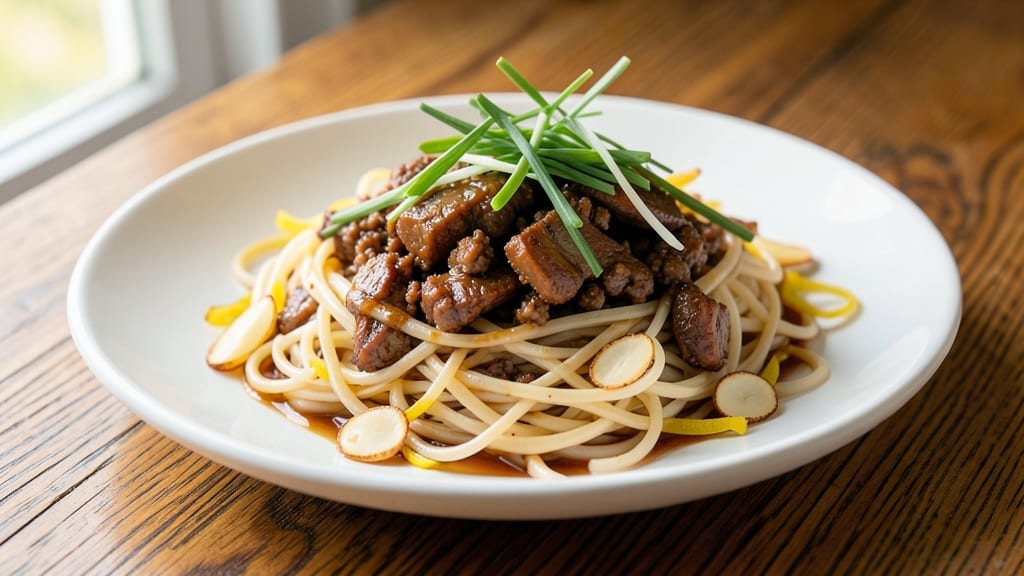
This mince pork noodles recipe delivers the perfect balance of tender pork, chewy egg noodles, and layers of umami flavor that make every bite satisfying. 💛 After years of perfecting stir-fry techniques in professional kitchens, I've developed a method that transforms simple ingredients into a restaurant-quality dish you can make at home.
The secret lies in properly searing the pork and building flavor through aromatics and sauce reduction.
What sets this recipe apart is the combination of traditional stir-fry techniques with modern adaptations—you can achieve that coveted wok-hei (breath of the wok) using a high-heat skillet or even a slow-cooked version for those busy weeknights.
The pork is finely minced and seared until just cooked through, ensuring it stays tender while absorbing all the savory flavors from the garlic, ginger, and soy sauce base.
By the time you're done, you'll have perfectly chewy egg noodles coated in a rich, aromatic sauce with tender, flavorful pork pieces scattered throughout. The dish is balanced—savory from the pork and sauce, slightly sweet from the caramelized aromatics, and perfectly textured with each component playing its part.
This is comfort food at its finest, ready in under 30 minutes.
The beauty of this recipe is its versatility—serve it as a hearty weeknight dinner, pack it for lunches, or double the batch for leftovers that taste just as good reheated.
Whether you're cooking for one or feeding a crowd, this mince pork noodles dish delivers consistent, satisfying results every time. Let's get started on creating your perfect bowl.
Ingredients for mince pork noodles
Simple ingredients, bold flavors—this stir-fry transforms pantry staples into restaurant-quality noodles.
| Ingredient | Amount | Notes |
|---|---|---|
| Ground Pork 🥩 | 1 lb | Finely minced, 80% lean preferred |
| Egg Noodles 🍜 | 8 oz | Fresh or dried, chewy variety |
| Garlic Cloves 🧄 | 6 cloves | Minced, for aromatic base |
| Fresh Ginger 🌿 | 1 tbsp | Finely grated, aromatic punch |
| Light Soy Sauce 🥄 | ½ cup | High-quality, low-sodium preferred |
| Dark Soy Sauce 🥄 | 1 tbsp | For deep umami color |
| Sesame Oil 🫒 | 1 tbsp | Toasted, for nutty aroma |
| Neutral Oil 🫒 | 2 tbsp | Vegetable or peanut oil |
| Brown Sugar 🍯 | 1 tbsp | For subtle sweetness |
| Green Onions 🧅 | 3 whole | Sliced, for fresh finish |
| Sesame Seeds 🌾 | 1 tbsp | Toasted, for crunch |
| White Pepper 🌶️ | ½ tsp | Freshly ground, subtle heat |
| Cornstarch 🌾 | 1 tsp | For tenderizing pork |
| Red Chili Flakes 🔥 | ½ tsp | Optional, for heat |
The pork is everything here. Ground pork with at least 80% lean gives you that tender texture, but don't skip the cornstarch—it tenderizes while you prep. I grab mine from Costco or the butcher counter at Whole Foods for the freshest cut. Egg noodles? Fresh is ideal but dried works too—just cook them al dente. Look for bright, firm noodles at the store, not those sad, limp packages. The ginger and garlic? Fresh only—dried just won't cut it for that aromatic punch. Toast your sesame seeds in a dry pan for 30 seconds before adding to the bowl—they'll taste like heaven.
No light soy sauce? Substitute with regular soy sauce at half the amount—just add a pinch of sugar to balance. Short on ginger? Ginger powder at one-third the amount works in a pinch, but it's not the same. The sesame oil is non-negotiable—it's what gives that signature wok-hei flavor. No toasted sesame oil? Regular sesame oil plus a pinch of sugar gets you close. Want more heat? Swap the red chili flakes for sriracha or chili crisp. The brown sugar? It's subtle but balances the saltiness—don't skip it, even if you think you don't need it. And if you're using dried noodles, soak them in hot water for 5 minutes before stir-frying for that perfect chewy texture.
This dish reheats beautifully—honestly tastes better the next day as flavors meld. Store leftovers in an airtight container for 3-4 days in the fridge. For freezing, portion into single servings and it keeps for 2 months. I always make a double batch—one for dinner, one for lunches. The noodles soften when reheated, so undercook them slightly before storing. And pro tip: Save your noodle water—a splash added when reheating keeps them from turning mushy.
Why You'll Love This Recipe
- Pantry-Friendly Magic: I swear by this recipe when I’ve got nothing but basics. Ground pork, noodles, and a few pantry staples—no fancy prep, no last-minute grocery runs. The soy sauce and ginger alone turn simple ingredients into something that tastes like a restaurant’s secret.
- Garlic-Ginger Kick: That moment when you crush fresh garlic and ginger into the pork? Pure flavor payoff. The aroma alone makes my kitchen smell like a bustling wok house, and the first bite delivers that perfect balance—savory, aromatic, with just enough heat to linger.
- Lunchbox Hero: Between us, this is my go-to for meal prep. Cook a big batch, portion it into containers, and toss in a few extra noodles for crunch. My kids (and my partner) grab it for school or work—no reheating drama, just warm, satisfying bites every time.
- Budget Stretch: Honestly, this recipe makes my grocery budget breathe easier. Ground pork is affordable, egg noodles last forever, and a little soy sauce goes a long way. I’ve fed four people for under $10, and no one ever complains—just empty bowls and happy faces.
Step-by-step instructions for mince pork noodles
Here's how to transform simple ingredients into restaurant-quality stir-fry every time.
🍳 Step 1: Tenderize the Pork with Cornstarch
In a medium bowl, combine the 1 lb ground pork, 1 tsp cornstarch, 0.5 tsp white pepper, and 0.5 tsp red chili flakes. Use your hands to mix thoroughly until the pork is evenly coated and slightly sticky—this prevents dryness and creates a silky texture. Let it rest for 10 minutes while you prep the aromatics.
Here's the thing—cornstarch acts like a meat tenderizer here. It breaks down during cooking, keeping the pork juicy even when stir-fried at high heat. Don't skip this step, or you'll end up with tough, dry meat.
👨🍳 Step 2: Cook the Aromatic Base
Heat 2 tbsp neutral oil in a wok or large skillet over medium-high heat until shimmering. Add the 6 cloves minced garlic and 1 tbsp finely grated fresh ginger, stirring constantly for 30-45 seconds until fragrant but not browned. Watch closely—ginger burns in seconds, and you want that bright, fresh aroma.
This is where the flavor foundation gets built. The garlic should sizzle gently, not char, and the ginger should dissolve into the oil. If you see any brown spots, reduce the heat slightly. Now's also the time to add 1 tbsp brown sugar and stir for 10 seconds—this caramelizes slightly, adding depth to the sauce.
🔥 Step 3: Stir-Fry the Pork to Perfect Doneness
Increase heat to high and add the pork mixture in a single layer. Stir-fry for 3-4 minutes until the pork loses its raw color and becomes lightly browned in spots. Here's the crucial part: don't overcrowd the pan. If needed, work in batches to ensure even cooking.
You'll know it's done when the pork is 85% cooked through but still slightly pink in the center. Overcooking here makes the noodles dry. Once cooked, remove the pork to a plate and set aside. Leave the rendered fat in the wok—it's flavor gold.
🍳 Step 4: Build the Umami-Packed Sauce
Return the wok to medium heat and add 1 tbsp sesame oil. Pour in the 0.5 cup light soy sauce and 1 tbsp dark soy sauce, scraping up any browned bits from the bottom. Let it simmer for 1-2 minutes until slightly reduced. Add 1 tbsp sesame oil and stir to combine.
The dark soy sauce adds that beautiful mahogany color while deepening the umami. This is where the sauce transforms from basic to restaurant-quality. Taste it now—it should be salty and rich, but not overpowering. If needed, add a splash of water to adjust consistency.
🥘 Step 5: Combine and Finish with Noodles
Bring a pot of water to a rolling boil and cook the 8 oz egg noodles according to package instructions until al dente (usually 4-5 minutes). Reserve ½ cup pasta water before draining. Return the noodles to the pot and toss with 1 tbsp neutral oil to prevent sticking.
Add the cooked noodles to the wok with the pork and sauce. Toss everything together for 1-2 minutes until well coated. If the mixture seems dry, add 2-3 tablespoons of the reserved pasta water to create a glossy, clinging sauce. The noodles should be tender but still chewy—this is key for the perfect texture.
🍽️ Step 6: Garnish and Serve Immediately
Transfer the noodles to serving plates and garnish with 3 whole sliced green onions and 1 tbsp toasted sesame seeds. The green onions add freshness while the sesame seeds contribute nutty crunch. Serve while piping hot—this dish doesn't wait.
Each bite should deliver perfect harmony: tender pork, chewy noodles, and a sauce that's perfectly balanced between salty, sweet, and umami. The pork should be juicy, not dry, and the noodles should have that satisfying bite. Leftovers? Reheat gently with a splash of water to restore moisture.
Pro Tips For Making Mince Pork Noodles
- STIR-FRY FAST: Use a screaming-hot wok or skillet—your pork should sizzle immediately after hitting the pan. I learned this the hard way: lukewarm oil means greasy, rubbery pork instead of crisp edges. High heat seals the meat fast and keeps it juicy while you prep the rest.
- GRATE GINGER FINE: Skip the chunky slices—julienne or grate that ginger into a paste. Fresh ginger’s punch is wasted if it just sits like a rock in your sauce. A microplane or knife makes it dissolve into the soy sauce for real depth.
- DON’T OVERWORK THE PORK: Break it up once with your hands before cooking, then let the heat do the work. Mashing it into paste releases too much fat, turning your noodles greasy. Keep it in rough chunks—it’ll brown beautifully and stay tender.
- SALT THE NOODLES LAST: Cook your egg noodles unsalted first, then toss them in the wok with the pork. The soy sauce will season them perfectly, but adding salt to the boiling water makes them mushy. Trust the sauce—it’s got the balance right.
Make-ahead tips for this mince pork noodles
Prep Ahead Sauce
Make the sauce the night before for a stress-free weeknight meal. Combine 0.5 cup light soy sauce, 1 tbsp dark soy sauce, 1 tbsp brown sugar, and 1 tbsp sesame oil in a small bowl.
Store in an airtight container in the fridge—it’ll keep for 3 days and deepens in flavor overnight. I often double this batch to use in other stir-fries or marinades. 💛
Pre-Cook Pork
Save time by pre-cooking the pork ahead. Mix 1 lb ground pork with 1 tsp cornstarch and 0.5 tsp white pepper, then refrigerate in a sealed container for up to 24 hours.
When ready to cook, simply stir-fry it as directed—no need to thaw if you’re using it fresh from the fridge. This works especially well for meal prep Sundays.
Noodle Prep
Cook and shock the noodles ahead of time to save 15 minutes on busy days. Boil 8 oz egg noodles until al dente, then immediately transfer them to an ice bath for 1 minute to stop cooking.
Drain, toss with 1 tbsp neutral oil, and store in an airtight container for 2 days. Reheat in the microwave with a splash of water for 30 seconds—they’ll be perfect every time.
Complete Freezer Meal
Assemble the entire dish and freeze it for future convenience. Cook the pork and sauce as directed, then toss with cooked noodles. Spread the mixture on a baking sheet to chill for 30 minutes, then portion into freezer bags.
Thaw overnight in the fridge, then reheat in a skillet with 1 tbsp water over medium heat for 5-6 minutes, stirring occasionally. The texture stays surprisingly fresh!
Sauce Booster
Boost your prepped sauce with an extra umami punch. Before storing, add 1 tsp fish sauce or ½ tsp MSG to the sauce mixture. This enhances the depth of flavor without altering the balance.
I keep a small bottle of Red Boat Fish Sauce in my fridge specifically for this purpose—it’s a game-changer for Asian-inspired dishes. 🌟
Portion Control
Divide the cooked noodles into individual portions before storing to make grab-and-go lunches effortless. Store each serving in a single freezer bag with a ½ tsp sesame oil packet—just add hot water when reheating.
This keeps the noodles from drying out and maintains that signature wok-hei flavor even when reheated. Perfect for busy mornings when you’re running out the door!
Nutrition facts
Frequently asked questions
Can I use ground beef instead of ground pork in this recipe?
While ground beef will work, the flavor profile changes significantly. Pork has a natural sweetness and fat content that creates a more tender, juicy texture. If you must substitute, use 80% lean ground beef and add an extra ½ tsp brown sugar to compensate for the lack of natural pork sweetness. The dish will still be delicious but with a beefier, heartier taste.
How do I prevent the noodles from turning mushy when reheating?
Always reheat with moisture! Add 1-2 tablespoons of water or broth to the pan when warming up leftovers. Cover the skillet for 1-2 minutes to trap steam, then toss gently. For extra insurance, store cooked noodles in an airtight container with a ½ tsp sesame oil packet—this helps maintain texture during freezing or storage.
What's the best way to adjust the spice level?
Start with the 0.5 tsp red chili flakes as written, then adjust to taste. For mild heat, omit the chili flakes entirely and add ½ tsp sugar instead. For extra kick, swap the chili flakes for 1 tsp gochujang (Korean chili paste)**strong> or 1 tsp sambal oelek. Remember, you can always add more heat at the end—just don't remove it once cooked.
Can I make this recipe with dried egg noodles instead of fresh?
Dried noodles work perfectly—just follow these tips: Cook them 1 minute less than package instructions (they'll finish cooking in the wok), then shock in ice water for 30 seconds to stop cooking completely. Toss with 1 tbsp neutral oil before storing if prepping ahead. The key is maintaining that satisfying chewiness even when reheated.
Why does my pork turn out dry when stir-frying?
Overcooking is the #1 culprit! Remove pork when it's 85% done (still slightly pink inside)—it'll finish cooking with the residual heat. Never crowd the pan (cook in batches if needed), and always use the cornstarch coating from the recipe. Pro tip: Let the pork rest 2 minutes after cooking before adding to noodles to redistribute juices.