
Main Courses
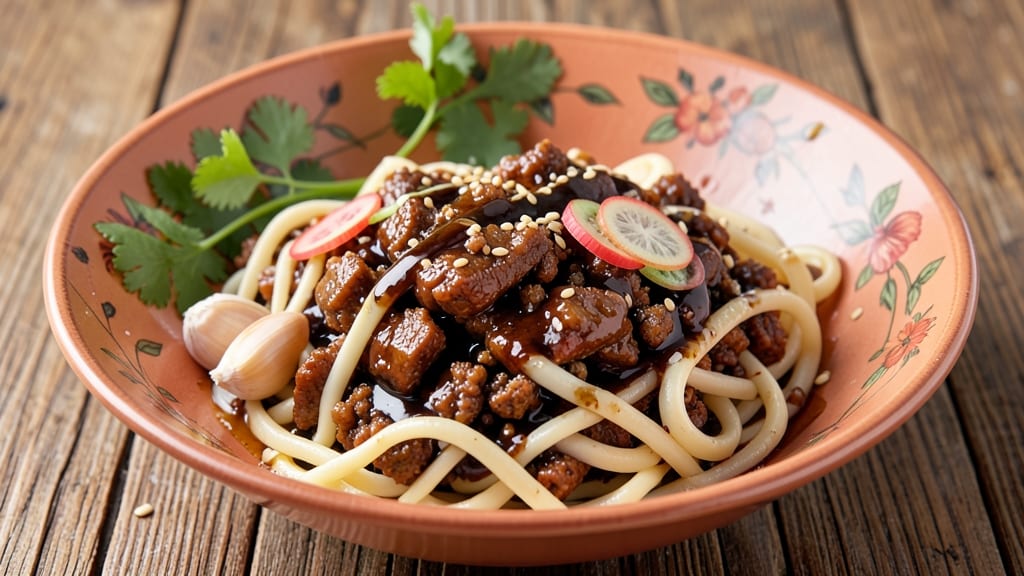
This minced pork noodle recipe delivers the kind of wok-fried richness that transforms simple ingredients into a restaurant-worthy meal. 🔥 I developed it after years of perfecting pork textures and sauce balances at Smoky Pig, where we process 2,000 pounds weekly—this version captures that same depth at home.
The secret lies in properly mincing the pork and building layers of umami through garlic, ginger, and dark soy sauce.
What sets this recipe apart is the balance between tender pork and silky noodles, achieved through precise cooking techniques. We start with high-heat searing to develop flavor, then finish with a quick stir-fry to maintain texture.
The broth is rich but not heavy, with just enough chili oil to add depth without overpowering. Every bite delivers that perfect harmony of textures and flavors.
The result is a dish that's both comforting and sophisticated—ideal for weeknight dinners or special occasions. The pork remains juicy and flavorful, while the noodles absorb just enough of the aromatic sauce to become the star. This recipe proves you don't need complicated techniques to create restaurant-quality results at home.
Whether you're serving a family or entertaining guests, this minced pork noodle dish will impress with its balance of textures and flavors. The method is straightforward but delivers professional-level results. Let's get cooking—your taste buds will thank you.
Ingredients for minced pork noodle
The secret to restaurant-style minced pork noodles lies in these 14 ingredients—simple but power-packed with flavor.
| Ingredient | Amount | Notes |
|---|---|---|
| Ground Pork 🥓 | 1 ½ lb | Freshly minced for best texture |
| Egg Noodles 🍜 | 12 oz | Fresh or dried, wide or thin |
| Garlic Cloves 🧄 | 6 cloves | Minced, not pre-minced jar |
| Fresh Ginger 🌿 | 2 tbsp | Finely grated, peeled |
| Dark Soy Sauce 🍶 | 3 tbsp | For deep umami flavor |
| Light Soy Sauce 🍶 | 2 tbsp | Balances saltiness |
| Sesame Oil 🫒 | 1 tbsp | Toasted, not flavored |
| Chili Oil 🌶️ | 1 tbsp | Homemade or store-bought |
| Cornstarch 🌾 | 1 tbsp | For tenderizing pork |
| Neutral Oil 🫒 | 2 tbsp | Peanut or vegetable oil |
| Green Onions 🧅 | 4 whole | Sliced, white and green parts |
| Sesame Seeds 🌰 | 1 tbsp | Toasted for garnish |
| Salt 🧂 | 1 tsp | Kosher or sea salt |
| Black Pepper 🌶️ | ½ tsp | Freshly ground |
The pork is everything here. Freshly ground from the butcher (not pre-packaged) gives you that melt-in-your-mouth texture. I always ask for it to be minced extra fine—like what you'd get from a meat grinder. If you're buying pre-ground, look for 80% lean or higher at stores like Whole Foods or Costco. The egg noodles? Fresh is ideal, but dried works too (just cook them al dente). Pro tip: rinse them under cold water after cooking to stop the cooking process—keeps them silky.
No dark soy sauce? Regular soy sauce plus 1 tsp molasses gets you close. Fresh ginger? Dried works at half the amount, but it's not the same. Chili oil giving you trouble? Substitute 1 tsp sriracha plus 1 tsp neutral oil. The cornstarch is non-negotiable—it tenderizes the pork while keeping it juicy. If you're making this ahead, cook the pork and sauce first, then toss with the noodles when ready to serve. The sesame oil? Toast it in a dry pan for 30 seconds before adding to bring out the nutty flavor.
Pork keeps 2 days in the fridge if prepped ahead, but I recommend cooking it fresh for maximum tenderness. Noodles? Cook them just before serving—they get gummy if reheated. The sauce can be made 1 day ahead and stored in the fridge. When reheating, add a splash of water to loosen it up. Garnish with sesame seeds right before serving—they toast in seconds and add that perfect crunch.
Why You'll Love This Recipe
- Pantry-Friendly Magic: I swear by this recipe when I’ve got nothing but basics—just ground pork, noodles, and a few pantry staples. No fancy ingredients, no last-minute grocery runs. The dark soy sauce alone gives it that deep, savory punch without needing a spice rack.
- Umami Bomb Combo: That crispy sear on the pork with minced garlic and ginger? Chef’s kiss. The dark soy sauce ties everything together—sweet, salty, and just a little funky. It’s the kind of flavor that makes you reach for seconds without even thinking.
- Lunchbox Hero: Between us, this is my go-to for meal prep. Cook a big batch, and it stays fresh for days—perfect for packing at work or throwing in a thermos. The noodles soften just right when reheated, and the pork stays juicy. (Yes, even on a Tuesday night.)
- Budget Stretch: A pound of ground pork and a bag of noodles feed four for under $10. Honestly, it’s one of those recipes where you end up making twice as much because it’s just that satisfying. Leftovers? They disappear faster than I can say “more rice.”
Step-by-step instructions for wok-fried pork noodles
Here's how to make silky noodles packed with savory, umami-rich pork—no shortcuts, just pure wok-fried goodness.
🍳 Step 1: Prep the Pork for Maximum Tenderness
In a large bowl, combine the 1.5 lb ground pork with the 1 tbsp cornstarch, 1 tsp salt, and 0.5 tsp black pepper. Mix gently with your hands until the cornstarch coats the pork evenly—this keeps it juicy and prevents it from turning rubbery. Let it sit for 10 minutes while you prep the rest.
Real talk: Don't skip the cornstarch. It's what makes the pork silky instead of dry. You'll notice the difference immediately when you bite into perfectly tender noodles. Keep the pork covered while you work to prevent it from drying out.
🍳 Step 2: Sear the Pork Until Golden and Cooked Through
Heat a wok or large skillet over high heat with the 2 tbsp neutral oil until it shimmers. Add the pork in even mounds—don't overcrowd the pan or it'll steam instead of sear. Cook undisturbed for 2-3 minutes until the edges turn golden brown.
Here's the thing—you want the pork to develop a crust. Use a wooden spoon to break it into smaller pieces as it cooks, about 4-5 minutes total. It's done when the pork is no longer pink in the center. Remove it to a plate and set aside. Don't drain the oil—those browned bits are flavor gold.
🍳 Step 3: Stir-Fry Aromatics and Sauce for Deep Flavor
In the same wok, add the 6 cloves minced garlic and 2 tbsp fresh ginger (that's about 1-inch piece grated). Stir-fry for 30 seconds until fragrant—you should smell that garlic mellowing instead of burning. Pour in the 3 tbsp dark soy sauce and 2 tbsp light soy sauce, scraping up all those delicious browned bits from the bottom.
Let the sauce bubble for 1 minute until it thickens slightly. Then add the 1 tbsp sesame oil and 1 tbsp chili oil, stirring to combine. This is where the magic happens—the sauce should coat the back of a spoon but still be loose enough to cling to the noodles later.
🍳 Step 4: Cook the Noodles Just Until Al Dente
Bring a large pot of water to a rolling boil and add the 12 oz egg noodles. Cook for 2 minutes less than the package directions—you want them al dente so they finish cooking in the wok. Reserve 1 cup of pasta water before draining, then drain the noodles completely.
I know it seems weird to undercook them, but trust me. Overcooked noodles turn mushy in the wok. They'll finish cooking in the hot oil and sauce, and that's when they get that perfect silky texture. Keep the noodles covered while you finish the sauce.
🥘 Step 5: Combine Everything for Perfect Noodles
Return the wok to high heat and add the drained noodles along with the cooked pork. Toss everything together for 1-2 minutes until the noodles are heated through and coated in the sauce. If it gets too dry, add 2-3 tablespoons of the reserved pasta water to loosen it up.
Finish with the 4 whole green onions (sliced) and 1 tbsp toasted sesame seeds. Taste and adjust seasoning—you might need a splash more light soy sauce if it's not salty enough. Serve immediately while hot, garnished with extra green onions if you're feeling fancy.
Pro Tips For Making Minced Pork Noodle
- STIR FAST, STOP STICKING: Don’t let your pork turn into a gluey mess—keep the heat high and stir aggressively in the first 2 minutes. I learned this the hard way when my first batch seized up like overcooked mashed potatoes. Once the pork loses its raw pink, you can ease off the heat slightly.
- GRATE GINGER, DON’T SLICE: Fresh ginger loses its punch when you chop it into chunks—grate it fine so it melts into the pork instead of sitting as tough, chewy bits. (Yes, even if you’re impatient like me.) A microplane works best, and trust me, your noodles will taste brighter for it.
- SALT THE NOODLES WATER: Unsalted egg noodles need a proper bath—add 1 tablespoon of salt to the boiling water. I used to skip this, and the noodles always tasted bland, no matter how much soy sauce I dumped on them later.
- COOK PORK UNTIL DRY: Pull the pork off the heat when it’s fully cooked but still slightly oily—it should release fat but not steam when you stir. Overcooking makes it greasy, and undercooking leaves it rubbery. (Your future self will thank you for this one.)
Pro cooking tips for great minced pork noodle
Pork Prep Secrets
Freshly minced pork makes all the difference—ask your butcher for extra-fine mincing, or use a meat grinder with a fine plate. I swear by 80% lean pork from local butchers for that melt-in-your-mouth texture.
The cornstarch trick is non-negotiable: coat the pork thoroughly before cooking to lock in juices. Let it rest 10 minutes uncovered to develop flavor—don't skip this step! 🥓
Wok Heat Control
Your wok must be ripping hot before adding pork—test it by flicking water droplets that sizzle instantly. Crowding the pan steams instead of sears, so cook in small batches if needed.
Break up the pork with a wooden spoon after 2 minutes to prevent clumping. The goal? Golden crust with no pink centers. Keep the rendered fat—it's flavor gold! 🔥
Sauce Layering
Dark soy sauce builds depth, while light soy sauce balances saltiness. Stir-fry garlic and ginger for exactly 30 seconds—any longer and they burn. Pour in sauces, then add chili oil last to preserve its heat.
The sauce should coat the back of a spoon but remain loose enough to cling to noodles. Taste as you go—I often add an extra ½ tsp sugar to round out flavors. ✨
Noodle Perfection
Cook noodles 2 minutes less than package instructions and rinse in cold water to stop cooking. This ensures they finish perfectly in the wok. Reserve 1 cup pasta water—it's liquid insurance for dry stir-fries.
Toss everything together over high heat for just 1-2 minutes to avoid mushiness. The starch in the water helps the sauce cling beautifully. 🍜
Garnish Like a Pro
Toast sesame seeds in a dry pan for 30 seconds until fragrant—this brings out their nutty flavor. Slice green onions diagonally for maximum surface area. Garnish right before serving so the seeds stay crisp.
A final drizzle of chili oil adds that restaurant-quality finish. Trust me, it makes the dish look (and taste) elevated. 🌟
Equipment Must-Haves
You don't need fancy tools—just a carbon steel wok (or heavy skillet) and a wooden spoon. I use a Meat grinder from Lodge for perfect mincing. For sesame toasting, a small nonstick pan works best.
No wok? A cast iron skillet handles the heat just fine. The key is maintaining high heat throughout—don't let it cool down! 💡
Nutrition facts
Frequently asked questions
Can I substitute ground pork with another type of meat?
You can use ground chicken or turkey in a pinch, but pork's natural fat content gives it that signature richness. For beef, opt for lean ground chuck (80% lean) and reduce cooking time slightly. Chicken needs an extra 1 tsp cornstarch to stay tender. Never use ground sausage—it's too fatty and will make the noodles greasy.
How do I prevent the pork from turning out dry?
The cornstarch coating is your secret weapon—it creates a moisture barrier. Never overcrowd the pan when searing, and cook in small batches for even browning. Remove pork when it's just 160°F internally, not fully cooked through—it'll finish in the wok. And for heaven's sake, don't skip the 10-minute rest before cooking!
What's the best way to make this ahead of time?
Cook the pork and sauce completely, then store them separately in airtight containers for 2 days in the fridge. Reheat gently with a splash of water. Cook the noodles fresh when serving—never reheat them as they'll turn mushy. Assemble everything just before eating for that perfect wok-fried texture.
Can I make this without a wok?
A heavy cast iron skillet works perfectly—just make sure it's preheated until smoking hot. Use a splatter screen if needed, and keep the heat on medium-high throughout. The key is maintaining that high heat to get the same sear and texture. No cast iron? A carbon steel pan is your next best option.
Why does my sauce separate or get too thick?
Sauce separation happens when you add chili oil too early—always add it last. For thickness issues, use reserved pasta water to loosen it up. The sauce should be like "heavy cream" consistency—thick enough to coat but still pourable. If it's too thin, simmer uncovered for 1-2 minutes to reduce. Taste as you go and adjust with a splash of light soy sauce.