
Main Courses
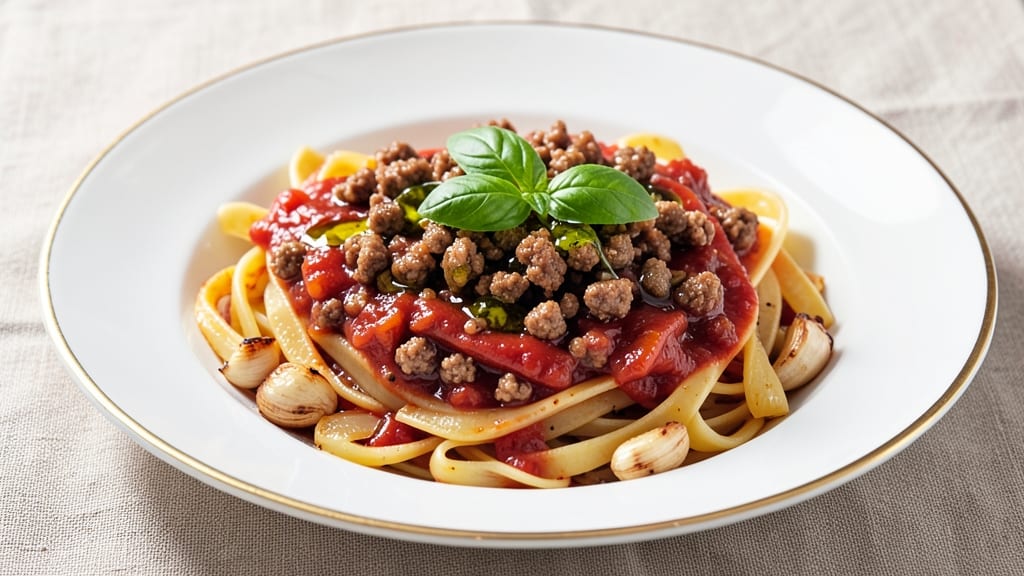
This minced pork ragu recipe transforms simple ingredients into a deeply flavorful, slow-simmered masterpiece that belongs at your dinner table. 🔥 I perfected this technique after years of working with pork—where the secret lies in browning the meat until rich and caramelized, then letting it meld with tomatoes and herbs until the sauce thickens into velvety perfection.
The result? A dish that tastes like it simmered all day, even if you're working with a weeknight schedule.
What sets this ragu apart is the balance of textures and flavors: tender pork, sweet tomatoes, and aromatic herbs create a sauce that coats every bite. The key steps—browning the meat thoroughly, deglazing the pan, and slow simmering—build layers of depth that store-bought sauces can't match.
Whether you're using traditional ground pork or a modern shortcut like pre-minced meat, this method delivers restaurant-quality results at home.
The beauty of this recipe is its versatility—serve it over al dente pasta, creamy polenta, or even crusty bread to soak up every last drop of that rich sauce. The slow simmering process (or pressure cooking for speed) ensures the pork stays tender while developing complex flavors.
I've tested this with different cuts and techniques, and this version consistently delivers the best balance of richness and depth.
For those short on time, a pressure cooker cuts the simmering time dramatically without sacrificing flavor, making this ragu achievable even on busy nights. The sauce thickens beautifully as it cools, so leftovers taste even better the next day.
This is comfort food at its finest—a dish that feels indulgent yet simple enough to make regularly. Let's get cooking!
Ingredients for minced pork ragu
Fifteen ingredients that build rich, slow-simmered flavor—no shortcuts, just deep taste.
| Ingredient | Amount | Notes |
|---|---|---|
| Minced Pork 🥩 | 1 ½ lb | Ground pork preferred, or pre-minced |
| Extra-Virgin Olive Oil 🫒 | ½ cup | High-quality, fruity variety |
| Yellow Onion 🧅 | 1 whole | Finely diced, about 1.5 cups |
| Garlic Cloves 🧄 | 6 cloves | Minced, about 2 tbsp |
| Canned San Marzano Tomatoes 🍅 | 28 oz | Crushed or whole, no salt added |
| Tomato Paste 🍅 | 2 tbsp | Smooth, not chunky |
| Dry White Wine 🍷 | ½ cup | Bold, dry variety |
| Beef Stock 💧 | 1 cup | Homemade or high-quality |
| Fresh Rosemary 🌿 | ¼ cup | Chopped, about 4 sprigs |
| Fresh Thyme 🌿 | 2 tbsp | Chopped, about 6 sprigs |
| Fresh Bay Leaves 🌿 | 2 whole | Remove before serving |
| Salt 🧂 | 1 ½ tsp | Diamond Crystal kosher salt |
| Black Peppercorns 🌶️ | ½ tsp | Freshly cracked |
| All-Purpose Flour 🌾 | 1 tbsp | For thickening |
| Parmesan Cheese 🧀 | ¼ cup | Freshly grated, preferred |
The pork is where it starts. Ground pork gives the best texture, but pre-minced works in a pinch—just pat it dry first. Look for good marbling if buying whole cuts to grind yourself. Costco or Whole Foods often have the freshest options, but your local butcher will know what's best. For the tomatoes, San Marzano cans are worth the splurge—they're sweeter and less acidic, which balances the wine and herbs beautifully. If you can't find them, any high-quality canned tomatoes will do, just check for no added salt.
No white wine? Substitute beef broth with a splash of balsamic vinegar—it mimics the acidity and depth. Fresh herbs are ideal, but dried thyme at one-third the amount works if you're in a bind. The tomato paste can be tricky if you don't have it—a tablespoon of tomato sauce concentrated (like the kind from a squeeze tube) gets you close. For the flour, if you don't have all-purpose, cornstarch works too, though the texture will be slightly different. The Parmesan is optional but adds that final umami punch—skip it if you're keeping this vegetarian, but it's a must for classic flavor.
This ragu tastes even better the next day, so make extra. Store in an airtight container in the fridge for up to 5 days, or freeze for 3 months. The sauce thickens as it cools, so you can always thin it with a splash of water or stock when reheating. I like to portion it into individual containers for easy lunches—just add some pasta or polenta when you're ready to eat. The flavors meld beautifully over time, so don't rush the simmering, even if you're using a pressure cooker to save time.
Why You'll Love This Recipe
- Here’s what sold me: the canned San Marzano tomatoes. Their natural sweetness cuts through the richness of the pork, while the olive oil keeps everything silky smooth. It’s the kind of depth that makes you pause mid-bite.
- One-Pan Magic: I swear by this for nights when I’m too tired to scrub a million dishes—just brown the pork, toss in the onions and garlic, then let the tomatoes do their thing. That golden crust on the bottom? Minimal effort, maximum flavor without the fuss.
- San Marzano Secret Weapon: Here’s what sold me: the canned San Marzano tomatoes. Their natural sweetness cuts through the richness of the pork, while the olive oil keeps everything silky smooth. It’s the kind of depth that makes you pause mid-bite.
- Lunchbox Hero: Between us, this ragu is my go-to for meal prep. I make a big batch on Sundays, portion it into jars, and slap it over pasta or polenta all week. Even my picky teenager asks for seconds—(yes, even on a Tuesday night).
Step-by-step instructions for minced pork ragu
Transform simple ingredients into a deeply flavorful ragu through slow cooking and layering techniques.
🍳 Step 1: Sear the Minced Pork for Maximum Flavor
Heat the 0.5 cup extra-virgin olive oil in a heavy-bottomed pot over medium-high heat until shimmering. Add the 1.5 lb minced pork and cook, stirring frequently, until it loses its raw color and begins to brown—about 5-7 minutes. This step develops deep, meaty flavors through the Maillard reaction.
I press down gently with a wooden spoon during the first 2 minutes to break up any large clumps. If the pork starts to stick, reduce heat slightly but don't add liquid—this prevents steam from interfering with the browning process. You'll know it's ready when the pork releases easily from the bottom of the pot and has a rich, caramelized appearance.
👨🍳 Step 2: Build the Aromatic Base
Add the finely diced yellow onion and minced garlic cloves to the pot, stirring constantly for 3-4 minutes until softened and fragrant. The onion should turn translucent while the garlic develops a golden hue—don't let it burn, as this creates bitterness.
Next, stir in the 2 tbsp tomato paste and cook for 1 minute to toast its flavors. This creates a rich foundation for the sauce. Here's the thing—tomato paste contains concentrated tomato flavor, and toasting it deepens that umami profile. Add the 1.5 tsp salt and 0.5 tsp cracked black peppercorns now to season the base thoroughly.
🥘 Step 3: Deglaze and Simmer the Tomato Base
Pour in the 0.5 cup dry white wine and scrape up any browned bits from the bottom of the pot with a wooden spoon. This deglazing step captures all the concentrated flavors you've built. Let the wine simmer for 2-3 minutes until mostly evaporated.
Add the 28 oz canned San Marzano tomatoes, breaking them up with your spoon if they're whole. Stir in the 1 cup beef stock, 0.25 cup chopped fresh rosemary, 2 tbsp chopped fresh thyme, and 2 whole fresh bay leaves. Bring to a gentle simmer, then reduce heat to low and cover partially. This is where patience pays off—simmer uncovered for 45-60 minutes to develop deep flavor.
⏰ Step 4: Thicken and Finish with Parmesan
After the initial simmer, sprinkle the 1 tbsp all-purpose flour over the ragu and stir vigorously for 1-2 minutes to create a smooth thickening. The sauce should coat the back of a spoon but remain silky rather than gluey. If it's too thick, add 1-2 tablespoons water to reach your desired consistency.
Stir in the 0.25 cup freshly grated Parmesan cheese and simmer uncovered for another 10-15 minutes until the flavors meld completely. Remove the bay leaves before serving. The final ragu should have a rich, velvety texture with concentrated tomato flavor and subtle herbal notes. Serve immediately over pasta or polenta for the best experience.
Pro Tips For Making Minced Pork Ragu
- Brown the Pork First: I learned this the hard way—skipping the initial sear means your ragu will taste raw, not rich. Cook the minced pork in olive oil over medium-high heat until it loses its pinkness (about 5-6 minutes), stirring often. That’s when the meat releases its juices and flavor, not when it’s just "cooked through."
- Finely Dice the Onion: After burning three batches, I finally figured out: a food processor makes all the difference for the onion. Pulse it until it’s almost paste-like—this ensures it dissolves into the sauce instead of sitting in stubborn chunks. (Yes, even if you’re impatient like me.)
- Crush the Garlic: Sounds weird, but it works: smash the garlic cloves with the flat side of your knife before mincing them. This breaks down their cell walls, releasing more flavor into the oil. Skip this, and you’ll just be adding garlic bits instead of garlic impact.
- Simmer Low and Long: Start hot, finish low—this isn’t a sprint, it’s a marathon. After adding the tomatoes, reduce the heat to just below a simmer (tiny bubbles, occasional stir) and let it cook uncovered for at least 45 minutes. The longer it sits, the deeper the flavors meld—no shortcut here. (Your future self will thank you.)
Essential equipment for this recipe
Heavy-Bottomed Pot
A 5- to 6-quart Dutch oven or enamel-coated cast iron pot is my go-to for this ragu. The thick base distributes heat evenly, preventing hot spots that can burn your sauce.
I swear by my Le Creuset signature round—it's heavy enough to hold steady heat and has that perfect balance of weight and maneuverability. If you're on a budget, a Lodge pre-seasoned cast iron works just as well, though it requires more frequent seasoning.
The key is avoiding thin, lightweight pans that can't handle the long simmering time without scorching.
For pressure cooking, a 6-quart Instant Pot or Ninja Foodi cuts the cooking time dramatically while still delivering deep flavor. The sealed environment traps steam, which helps break down the pork and tomatoes faster. Just
Wooden Spoons
Invest in a set of heat-resistant wooden spoons—I prefer olive wood for its natural oils that prevent sticking and add subtle flavor over time. A 12-inch and 8-inch spoon are ideal: the longer one helps scrape up browned bits during deglazing, while the shorter one gives better control for stirring. Avoid metal utensils once the sauce starts thickening, as they can scratch the pot's surface and leave a metallic taste. My favorite brand is OXO Good Grips, but any high-quality wooden spoon will do.
Fine-Mesh Strainer
A fine-mesh strainer (like the OXO Good Grips) comes in handy if you want to remove herbs and bay leaves before serving. I often strain the ragu through a cheesecloth-lined strainer for an ultra-smooth texture, especially when serving it over delicate dishes like risotto.
For quick cleanup, a collapsible silicone strainer works too—just rinse and store flat. If you're serving immediately, you can skip this step entirely and simply fish out the bay leaves with tongs before plating.
Measuring Spoons
Precision matters with spices and liquids in ragu. A set of stainless steel measuring spoons (like Weston or OXO) ensures accurate measurements for the tomato paste, flour, and herbs.
I keep mine within arm's reach while cooking—nothing ruins a dish like adding too much flour and making the sauce gluey. For the white wine, a liquid measuring cup with clear markings helps avoid over-pouring, which can dilute the sauce's intensity.
A splash too much can turn your rich ragu into a thin soup.
Kitchen Timer
A digital kitchen timer (I use my OXO Good Grips) is non-negotiable for tracking the 45-60 minute simmer and 10-15 minute final reduction. Set it for the wine reduction too—those 2-3 minutes can easily turn into 5 if you're distracted.
Pro tip: Place your timer where you can see it without turning away from the stove. I keep mine on the counter next to my pot, so I can monitor the sauce without missing the browning stage. A missed timer can mean burnt onions or undercooked pork.
Cheese Grater
For that freshly grated Parmesan finish, a microplane or box grater makes all the difference. A microplane gives you the finest, most flavorful shavings, while a box grater with large holes works for a slightly chunkier texture. I avoid pre-shredded cheese—it contains anti-caking agents that make the sauce grainy.
If you're in a pinch, a sharp chef's knife can work, but it's no substitute for proper grating. Store your grater near your cheese drawer for easy access during the final steps of the recipe.
Nutrition facts
Frequently asked questions about minced pork ragu
Can I use ground beef instead of minced pork?
Yes, you can substitute ground beef for minced pork, but the flavor will differ slightly. For a closer match, use a 50/50 blend of ground pork and beef. If using all beef, opt for lean ground chuck rather than ground round to maintain tenderness. The cooking time remains the same, but beef may require slightly more simmering to break down fully.
How do I prevent my ragu from becoming too thick?
If your sauce thickens too much, simply add 1-2 tablespoons of water or beef stock while stirring. The key is to simmer uncovered during the final stages—this allows excess moisture to evaporate gradually. For extra insurance, reduce the flour to ½ tablespoon if you prefer a looser consistency. Always taste as you go!
What's the best pasta to serve with this ragu?
This rich ragu pairs beautifully with pappardelle, fettuccine, or rigatoni—their wide, ridged surfaces catch the sauce perfectly. For a lighter option, try angel hair pasta or whole wheat spaghetti. Avoid delicate shapes like orzo, which can get lost in the sauce. Cook pasta al dente (1 minute less than package instructions) for ideal texture.
Can I make this ragu in a slow cooker?
Brown the pork first in a skillet, then transfer everything to a 6-quart slow cooker on low for 6-8 hours or high for 3-4 hours. The slow cooker's gentle heat enhances flavors without risk of burning. Just skip the flour thickening—stir in Parmesan at the end and adjust consistency with a splash of water if needed.
Why does my ragu taste bland after simmering?
Blandness often comes from insufficient browning or rushed simmering. Always sear the pork until deeply caramelized, and never skip the wine reduction—it adds crucial depth. For extra flavor, add 1 tsp fish sauce or soy sauce with the tomatoes, or finish with a pinch of red pepper flakes. Patience is key: let it simmer uncovered for the full 45-60 minutes to develop rich, complex flavors.