
Main Courses
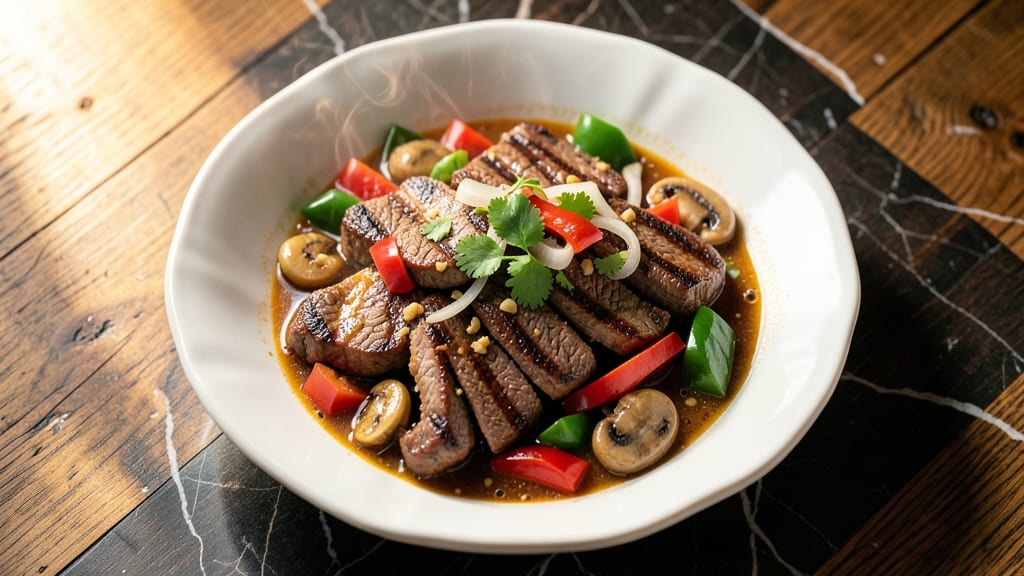
This beef and pork chop suey recipe delivers the perfect balance of wok-seared crispy edges and pan-glazed richness that makes every bite irresistible. After years of perfecting stir-fry techniques in professional kitchens, I've developed a method that captures the essence of both Cantonese tradition and American comfort food—where tender beef and pork meet a savory, slightly sweet sauce. The secret lies in high-heat searing followed by a quick glaze that locks in moisture while creating that signature caramelized crust.
What sets this recipe apart is the combination of marinating the meat for maximum tenderness and stir-frying at high heat to achieve those coveted crispy edges.
We'll use a classic soy-ginger sauce base that's been my go-to for years, but with a modern twist that includes a touch of honey for depth. This isn't just another stir-fry—it's a restaurant-quality dish that comes together in under 30 minutes, perfect for weeknight dinners or weekend family meals.
The result is a dish where perfectly cooked beef and pork pieces maintain their shape while developing a golden-brown crust from the wok searing. The sauce clings beautifully to each piece, creating that perfect balance of savory, slightly sweet, and umami-rich flavors.
The aroma alone will have everyone gathering around the table, and the first bite delivers on that crispy-tender contrast that makes chop suey so addictive.
Serve this over steamed jasmine rice or with egg rolls for a complete meal that feels both comforting and special. The technique is straightforward, but the results are anything but basic—this is the kind of dish that transforms an ordinary meal into something memorable. Let's get cooking!
Ingredients for beef and pork chop suey
These restaurant-quality ingredients transform simple proteins into crispy, caramelized perfection—just like your favorite wok house.
| Ingredient | Amount | Notes |
|---|---|---|
| Flank Steak 🥩 | 1 lb | Thinly sliced against grain |
| Pork Loin 🐷 | 1 lb | Thinly sliced, boneless |
| Vegetable Oil 🫒 | ½ cup | High smoke point for wok searing |
| Garlic Cloves 🧄 | 6 cloves | Minced, fresh preferred |
| Fresh Ginger 🌿 | 2 tbsp | Finely grated, peeled |
| Soy Sauce 🍶 | ½ cup | High-quality, light variety |
| Honey 🍯 | 1 ½ tbsp | For depth of flavor |
| Oyster Sauce 🍲 | 2 tbsp | For umami richness |
| Sesame Oil 🌰 | 1 tbsp | Toasted, for aroma |
| Green Onions 🧅 | ½ cup | Sliced, white and green parts |
| Cornstarch 🌾 | 2 tbsp | For velveting meat |
| White Wine 🍷 | ¼ cup | Dry, for deglazing |
| Salt 🧂 | 1 ½ tsp | Kosher salt, to taste |
| Black Pepper 🌶️ | ½ tsp | Freshly ground |
| Jasmine Rice 🍚 | 2 cups | Uncooked, for serving |
The meat selection is everything here. Flank steak and pork loin cut against the grain for that signature tender yet chewy texture—no tough bites allowed. I always grab the thickest cuts from the butcher counter at Whole Foods or Costco for the best marbling. Look for bright red color and firm texture; anything grayish or slimy is a no-go. Slice the meat paper-thin against the grain—this is non-negotiable for that wok-seared crispy edge. Pro tip: Let the meat sit at room temperature for 20 minutes before cooking for even browning.
No high-quality soy sauce? Kikkoman or Pearl River Bridge are my go-tos—they've got that perfect balance of salt and umami. Subbing in low-sodium soy? Add an extra 1/2 tsp salt to compensate. Fresh ginger is ideal, but if you're using powdered, double the amount—it's way less potent. The white wine can be swapped for chicken stock if you're avoiding alcohol, but the acidity helps cut through the richness. Cornstarch is key for velveting—don't skip it—it creates that silky texture that separates this from basic stir-fry. And for the sesame oil, toast it in a dry pan for 30 seconds before adding to the sauce—this deepens the nutty aroma without overpowering.
Marinated meat keeps for 24 hours in the fridge—perfect for prepping ahead. The cooked chop suey reheats beautifully—just add a splash of water or soy sauce to loosen the sauce. It's even better the next day as the flavors meld. For leftovers, store in an airtight container for up to 4 days or freeze for 3 months. I like to portion mine into single-serving containers so I can grab it for quick lunches. The jasmine rice? Cook it in a rice cooker with a 1:1.25 rice-to-water ratio—fluffy every time.
Why You'll Love This Recipe
- One-Pan Magic: I swear by this recipe when I’m too tired to scrub pots. Sear the flank steak and pork loin together in one pan, then toss in the garlic and ginger—no extra dishes, just pure, smoky flavor that sticks to everything.
- Ginger-Garlic Punch: That fresh ginger and minced garlic? They’re the secret. The pork loin stays tender while the steak gets a caramelized crust, and the ginger brightens every bite—like a warm hug in a bowl.
- Lunchbox Hero: Between us, this is my go-to for meal prep. Slice the cooled meat, toss it with rice, and pack it for work. The flavors actually get better the next day—no sad, soggy leftovers here.
- Budget Powerhouse: Flank steak and pork loin stretch farther than you’d think. A single pan of this feeds four for under $20, and the leftovers? I freeze half for lazy nights when takeout just won’t cut it.
Step-by-step instructions for wok-seared beef and pork chop suey
Here's how to create restaurant-quality crispy edges and silky meat—every time.
Velvet the Meat for Perfect Texture
In a medium bowl, combine the 1 lb flank steak and 1 lb pork loin, both sliced thinly against the grain. Add the 2 tbsp cornstarch, 1.5 tsp salt, and 0.5 tsp black pepper, tossing until every piece is evenly coated. This step is non-negotiable—it creates that signature tender yet slightly chewy texture that separates great chop suey from good.
Let the marinated meat sit for 15 minutes while you prepare the rest. You'll notice the cornstarch mixture clings to the meat like a fine powder—this is what creates that velvety finish when seared. Don't skip the resting time; it allows the cornstarch to fully adhere and begin breaking down the meat fibers.
Sear the Meat to Crispy Perfection
Heat a wok or large skillet over high heat until it's screaming hot—you should see a slight shimmer when you hold your hand about 6 inches above it. Add the 0.5 cup vegetable oil and swirl to coat the pan completely. Working in batches if needed, add the marinated meat and stir-fry for 2-3 minutes until the edges become deep golden brown and the meat is 80% cooked. This high-heat sear develops those irresistible crispy edges while keeping the centers tender.
Remove the meat and set it aside on a plate. The key here is not to overcrowd the pan—if you do, the meat will steam instead of sear. You want to see those edges transform from pale to golden brown within 30 seconds of hitting the pan. If the oil smokes excessively, reduce the heat slightly but keep it as hot as possible for that wok hei flavor.
Build the Flavorful Sauce Base
In the same wok, reduce the heat to medium-high and add the 6 cloves minced garlic and 2 tbsp finely grated ginger. Stir-fry for 30 seconds until fragrant—you'll smell that aromatic punch of garlic and ginger that forms the foundation of your sauce. Add the 0.25 cup white wine and scrape up any browned bits from the bottom of the pan with a wooden spoon. These bits, called fond, are packed with flavor.
Pour in the 0.5 cup soy sauce, 1.5 tbsp honey, and 2 tbsp oyster sauce, stirring constantly. Let the sauce simmer for 2 minutes until it thickens slightly. This is where all the flavors meld together—sweet, salty, umami-rich, and just a touch of heat from the ginger. Taste and adjust seasoning if needed, adding a pinch more salt if the sauce tastes flat.
Finish with Aromatics and Glaze
Return the seared meat to the wok and add the 0.5 cup sliced green onions and 1 tbsp sesame oil. Stir-fry for 1-2 minutes until the green onions wilt and the meat absorbs all that glorious sauce. The sesame oil adds a nutty aroma that elevates the dish from good to exceptional. You'll see the meat glistening with the sauce, which is your cue that it's ready to serve.
For that signature glossy finish, drizzle an additional 1 tsp sesame oil over the top just before serving. The oil will bead on the surface, adding both visual appeal and a delicate aroma with every bite. The meat should be tender but still holding its shape, with crispy edges that contrast beautifully against the silky sauce.
Serve Over Steamed Jasmine Rice
Prepare the 2 cups jasmine rice according to package instructions—it should be light and fluffy, with each grain separate. Spoon the beef and pork chop suey over the rice, making sure every bite gets a generous helping of that rich, glossy sauce. Garnish with extra green onions if desired, but trust me, the dish is already packed with flavor.
Serve immediately while the meat is still hot and the rice is steaming. The contrast of the crispy meat edges against the tender rice creates a textural experience that's pure comfort food at its finest. Each forkful delivers that perfect balance of sweet, savory, and umami—exactly what makes chop suey so universally loved.
Pro Tips For Making Beef And Pork Chop Suey
- Slice Thin, Slice Even: Flank steak and pork loin fight back when thick—chop suey demands paper-thin strips, no wider than ¼-inch. Grab a sharp knife, fold the meat in half, and slice against the grain while it’s still cold (yes, even if you’re impatient like me). Uneven slices turn tough; consistent slices stay tender.
- Ginger-Garlic Paste, Not Minced: Fresh ginger and garlic lose their punch when finely minced for chop suey. Instead, pulse them in a food processor with 1 tablespoon oil until sticky but still slightly textured—think rough paste, not smooth. This releases more flavor and clings better to the meat. (Pro move: Add a pinch of salt here to draw out moisture.)
- Don’t Overcrowd the Pan: I learned this the hard way—dumping all the meat and veggies in at once just steams them into mush. Work in batches: sear half the meat first, remove it, then cook the rest before tossing everything together. The pan needs room to breathe, or you’ll end up with soggy protein and a sad, greasy mess.
- Use the Meat’s Own Juices: After searing, don’t scrape the browned bits—let them deglaze with a splash of soy sauce and a little water. Those crusty bits pack layers of flavor. Scrape them up with a wooden spoon, then pour in just enough liquid to coat the pan (about ¼ cup). This shortcut turns a simple stir-fry into something restaurant-worthy without extra ingredients.
Storing and reheating this recipe
Fridge Storage Tips
Store your cooked chop suey in an airtight container with a tight-fitting lid—I prefer glass Pyrex for even heating later. The dish keeps well in the fridge for up to 4 days, with flavors actually deepening as the sauce melds with the meat.
Let it cool completely before storing to prevent condensation, which can make the rice soggy. I like to portion mine into single-serving containers so I can grab a quick lunch without reheating the whole batch. 🥣
Freezer-Friendly Prep
For longer storage, freeze chop suey in single-serving portions using quart-sized freezer bags—they take up less space than containers. Press out all air to prevent freezer burn, and label with the date.
This dish freezes beautifully for up to 3 months, though I recommend eating it within 2 months for peak texture. When ready to eat, thaw overnight in the fridge for even reheating. 🧊
Stovetop Reheating
My preferred method is stovetop reheating—it preserves that crispy-tender texture. Add 2 tbsp water or soy sauce to the pan, then heat over medium-low for 5-7 minutes, stirring occasionally.
The extra liquid prevents drying out, while the low heat keeps the meat from overcooking. For extra flavor, add a splash of white wine or chicken stock while reheating. 🔥
Microwave Shortcuts
For quick reheating, transfer a single portion to a microwave-safe dish and cover loosely with a paper towel (this prevents splatters). Heat on 50% power for 2-3 minutes, then stir and continue in 30-second intervals until hot—165°F internal temperature.
Add a splash of water if the sauce looks too thick. The microwave works in a pinch, but stovetop reheating gives better results. ⚡
Rice Revival Tricks
If the rice looks dry after reheating, sprinkle 1 tsp water over it and cover for 2 minutes to steam. For extra flavor, add a pinch of soy sauce or a dash of sesame oil while reheating.
I also like to serve reheated chop suey over freshly steamed rice—this keeps the texture light and fluffy. The key is to reheat just until piping hot, then serve immediately. 🍚
Sauce Salvation
If the sauce seems too thick after reheating, thin it with 1 tbsp water or broth. For extra richness, stir in ½ tsp honey or a splash of oyster sauce. The sauce should coat the back of a spoon but still cling to the meat.
If the meat tastes bland, add a pinch of salt or a squeeze of fresh lime juice for brightness. A little extra sesame oil at the end adds that restaurant-quality aroma. 💫
Nutrition facts
Frequently asked questions
Can I substitute other cuts of meat for beef and pork?
For beef, try sirloin or ribeye (slice against the grain), while pork tenderloin or chops work well for pork. Chicken breast or thigh can replace beef, but increase cornstarch to 3 tbsp for better texture. For vegetarian versions, use extra-firm tofu or mushrooms—just marinate them in soy sauce first for flavor.
Why does my chop suey turn out mushy instead of crispy?
Mushy texture usually means the meat wasn't seared hot enough or was overcrowded in the pan. Use a wok or large skillet on high heat and cook in batches. The cornstarch coating needs 30 seconds of direct heat to crisp—if it steams instead of browns, the edges won't develop that signature crunch. Also, don't overcook the meat after adding sauce!
What's the difference between Cantonese and American chop suey?
Cantonese chop suey uses less sauce, more vegetables (like water chestnuts), and often includes dried shrimp or preserved radish. American versions (like this recipe) focus on meat-forward flavors with a glossy, sweet-savory sauce. The key difference is technique—Cantonese cooks use a lighter touch, while American chop suey embraces bold, umami-rich sauces.
Can I make this recipe gluten-free?
Yes! Replace soy sauce with tamari or coconut aminos (use 1/2 cup for depth). Check oyster sauce labels—some are gluten-free (like Kikkoman GF version). Cornstarch can be swapped for arrowroot powder. For extra umami, add 1 tbsp gluten-free fish sauce or mushroom powder to the sauce. Always taste and adjust saltiness!
How do I get that restaurant-quality wok hei flavor?
Wok hei ("breath of the wok") comes from high, dry heat and proper technique. Use a carbon steel or cast iron wok—these retain heat better. Keep the pan screaming hot (almost smoking) before adding oil. Work quickly, and don't splash cold ingredients into the pan. The secret? Cook in batches and let the meat rest 1 minute after searing to develop that smoky aroma.