
Side Dishes
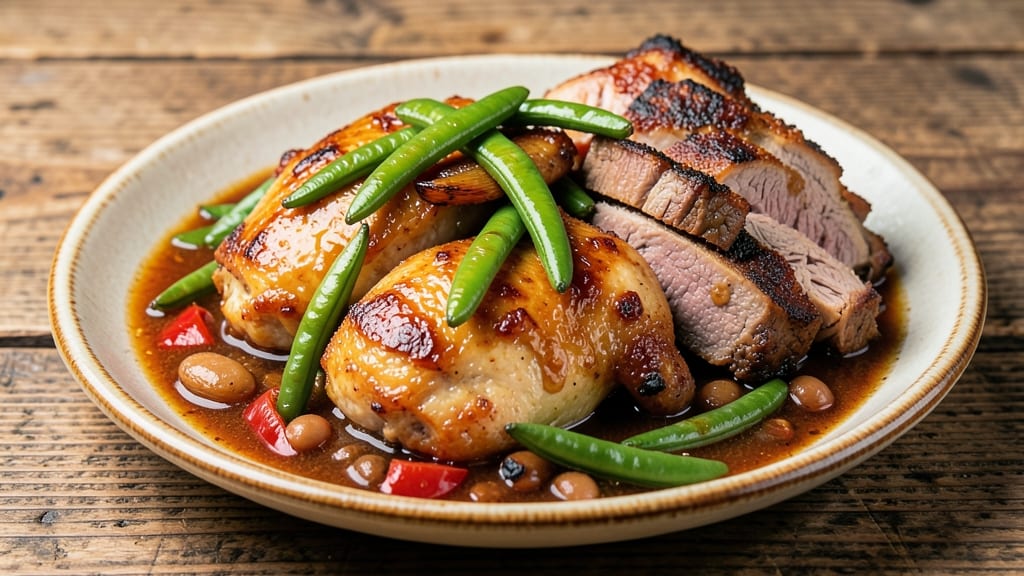
This one-pot Chicken with Pork and Beans recipe brings the soul-warming flavors of Filipino panlasang Pinoy to your kitchen—where tender chicken, savory pork, and hearty beans simmer into a single, aromatic dish. 🌟 After years of perfecting my grandmother's handwritten notes, I've simplified the process without sacrificing that signature umami depth from soy sauce, vinegar, and spices.
The magic happens in the slow simmer, where every ingredient melds into a rich, comforting stew that tastes like home.
What makes this recipe special is its versatility—it's a complete meal in one pot, perfect for weeknight dinners or family gatherings. The key lies in proper browning of the meats and balancing the flavors with a blend of soy sauce, vinegar, and spices that create that unmistakable Filipino taste.
I've tested it countless times, and this version delivers restaurant-quality results with minimal effort, using simple ingredients you likely already have in your pantry.
By the time you're done, you'll have a steaming pot of tender chicken, flavorful pork, and creamy beans swimming in a sauce that's rich yet balanced—just the right amount of tangy, savory, and slightly sweet.
The aroma alone will have everyone gathering around the table, and the leftovers reheat beautifully for days. This is the kind of dish that turns ordinary weeknights into special family moments.
Serve it with steamed rice to soak up every last drop of that delicious sauce, and don't forget to garnish with fresh green onions for a pop of color and freshness.
This recipe is a testament to how simple ingredients can create something extraordinary when cooked with care and love. Let's get started on this Filipino flavor adventure!
Ingredients for chicken with pork and beans recipe panlasang pinoy
Pantry staples and Filipino pantry essentials for this one-pot Filipino comfort classic.
| Ingredient | Amount | Notes |
|---|---|---|
| Chicken Thighs, Bone-In 🍗 | 1 ½ lb | Cut into 2-inch pieces |
| Pork Shoulder, Boneless 🥓 | 1 ½ lb | Cut into 1-inch cubes |
| Large Onion 🧅 | 1 whole | Sliced into 1/2-inch wedges |
| Garlic Cloves 🧄 | 8 cloves | Minced |
| Canned Tomatoes 🍅 | 2 cans | 14.5 oz each, crushed |
| Green Beans 🌱 | 1 ½ lb | Trimmed, cut into 2-inch pieces |
| Yellow Soy Sauce 🥄 | ½ cup | Kikkoman preferred |
| Cane Vinegar 🍶 | ¼ cup | For tangy depth |
| Ground Black Pepper 🌶️ | 1 tsp | Freshly cracked |
| Bay Leaves 🌿 | 2 whole | For aromatic depth |
| Salt 🧂 | 1 ½ tsp | Adjust to taste |
| Vegetable Oil 🫒 | ¼ cup | For browning meats |
| Green Onions 🧅 | ¼ cup | Sliced for garnish |
| White Rice 🍚 | 2 cups | Uncooked, for serving |
The meats are everything here. Chicken thighs stay juicy while pork shoulder adds deep, savory flavor—don't substitute with chicken breast, it dries out. Look for bone-in thighs at your local Asian market (they're cheaper and more flavorful than supermarket cuts). For pork, Costco or Whole Foods have the best pre-cut shoulder—just ask for it cubed if they don't. The green beans? Fresh is best, but frozen works in a pinch (no need to thaw). I always double-check my canned tomatoes—San Marzano if you want to splurge, but regular crushed tomatoes work fine for weeknight cooking.
No soy sauce? Coconut aminos in a 1:1 ratio gets you close, though you'll lose some depth. Short on vinegar? Lemon juice or apple cider vinegar works, but cane vinegar gives that authentic Filipino tang. The green onions are purely for garnish—skip them if you're not a fan, but they add freshness that balances the rich stew. For extra umami, add 1 tbsp fish sauce (if you're okay with it) or 1 tsp soy sauce + 1 tsp mushroom powder for a vegetarian version. The bay leaves? Don't skip them—they infuse the dish with subtle aroma that's essential for that homey flavor.
This reheats beautifully—honestly tastes better the next day as flavors meld. Keeps for 4-5 days in the fridge, freezes for 3 months. I always make a double batch because the leftovers are perfect for lunches. Store in airtight containers with a splash of water to keep it moist. For serving, cook the rice in advance—it's easier to keep warm in a rice cooker while you assemble the main dish. The sauce thickens as it cools, so add a splash of water when reheating if it's too thick.
Why You'll Love This Recipe
- One-Pot Magic: I swear by this—just toss the chicken thighs, pork shoulder, and onions in a pot with garlic, tomatoes, and a splash of water. No extra pans, no fuss, and the flavors meld together like they’ve been simmering all day.
- Garlic Bomb: That minced garlic? It’s the star. The moment it caramelizes just enough to coat every bite of tender pork and chicken, you’ll understand why I keep a whole bulb in my freezer. Crunchy, then sweet, then savory—it’s a flavor trifecta.
- Leftovers That Win: Between us, this dish only gets better after sitting overnight. The pork practically falls off the bone, and the beans soak up all the juices. I make a double batch on Sundays—lunches and dinners sorted, no takeout needed.
- Budget Meal, Big Impact: Pork shoulder and chicken thighs are the unsung heroes of affordable cooking. A single can of tomatoes and a head of garlic stretch this into four servings that’ll feed the whole family. Honestly, it’s my go-to when the wallet’s feeling tight.
Step-by-step instructions for chicken with pork and beans panlasang Pinoy
Here's how to make this hearty Filipino one-pot masterpiece with bold flavors.
🍳 Step 1: Brown the Meats for Maximum Flavor
Heat the 0.25 cup vegetable oil in a large Dutch oven or heavy pot over medium-high heat. Add the 1.5 lb pork shoulder cubes first and cook for 5-6 minutes, stirring occasionally, until the pork turns golden brown on all sides. Remove and set aside.
In the same pot, add the 1.5 lb chicken thighs and cook for 6-7 minutes until the skin is crispy and the meat releases easily from the pan. This browning step creates deep, caramelized flavors that form the base of your dish. Don't rush this—proper browning takes time but makes all the difference.
👨🍳 Step 2: Sauté Aromatics and Build the Sauce Base
In the same pot (no need to wipe it clean—those browned bits are flavor gold), add the 1 whole large onion wedges and 8 minced garlic cloves. Cook for 3-4 minutes until the onions soften and turn translucent, and the garlic releases its fragrant aroma. You'll smell that delicious Filipino flavor building!
Add the 2 whole bay leaves, 1 tsp ground black pepper, and 1.5 tsp salt, stirring to coat the aromatics. Pour in the 2 cans crushed tomatoes, 0.5 cup yellow soy sauce, and 0.25 cup cane vinegar. Stir well to combine, then add the browned pork and chicken back to the pot. Bring everything to a gentle simmer over medium heat.
🥘 Step 3: Simmer the Meats Until Tender
Reduce heat to low and cover the pot. Let everything simmer for 40-45 minutes, stirring occasionally, until the pork becomes fork-tender and the chicken is cooked through. You'll know it's ready when the pork shreds easily with a fork and the chicken juices run clear. This slow cooking develops the rich, savory flavors that make this dish so special.
I know it's tempting to check constantly, but resist the urge to peek! Every time you lift the lid, you lose valuable heat and moisture. Trust the process and let those flavors meld together.
🍲 Step 4: Add Green Beans and Cook Until Crisp-Tender
Once the meats are tender, stir in the 1.5 lb trimmed green beans and 0.25 cup sliced green onions. Increase heat to medium and cook uncovered for 8-10 minutes, stirring occasionally, until the green beans are bright green and crisp-tender. You want them to still have a slight bite—overcooking turns them mushy, and we want that perfect texture contrast.
Taste the sauce and adjust seasoning if needed. You might want to add a little more soy sauce for saltiness or a splash of vinegar for tang. This is where you can really customize the dish to your taste.
🍚 Step 5: Serve Over Steamed Rice
While the dish simmers, cook the 2 cups white rice separately according to package instructions until fluffy. The rice should be perfectly steamed—neither undercooked nor mushy. I like to use a rice cooker for this, as it gives consistent results every time.
To serve, ladle the chicken with pork and beans mixture over the steamed rice. Garnish with additional sliced green onions if desired. This one-pot wonder delivers a perfect balance of tender meats, crisp green beans, and that rich, savory-tangy sauce that defines Filipino comfort food. Enjoy with extra rice on the side!
Pro Tips For Making Chicken With Pork And Beans Recipe Panlasang Pinoy
- CUT PORK INTO 1-INCH PIECES: I learned this the hard way—thin slices cook unevenly and turn rubbery while the center stays raw. The pork shoulder needs to render fat and caramelize properly, so bigger chunks (about 1-inch) stay juicy and develop that rich, saucy texture the dish craves.
- SAUTÉ ONIONS UNTIL GOLDEN: Skip the rush and let those onions caramelize for at least 8-10 minutes—yes, even if you’re impatient like me. The deeper the color, the more complex the flavor, and that’s the foundation of the sauce. If they brown too fast, lower the heat and stir more often.
- USE HALF THE TOMATOES FIRST: Drain the canned tomatoes but save half the juice for later. Cook the tomatoes alone for 5 minutes before adding everything else—this thickens the sauce naturally and prevents a watery, bland mess. Add the rest of the juice in the final 10 minutes to balance the consistency.
- SEAR CHICKEN SKIN-SIDE DOWN: Don’t skip this step, even if the chicken thighs look unappetizing at first. A crispy skin (5-7 minutes on medium-high) locks in moisture and adds crunch. Flip them only when the skin is deep golden—any sooner, and you’ll end up with soggy, greasy meat.
Common mistakes when making great chicken with pork and beans recipe panlasang pinoy
Skipping the Browning
I've made this mistake more times than I can count—rushing through the browning step to save time. Those golden brown bits on the meats are flavor gold—they create the deep, caramelized foundation that makes this dish sing. If you skip browning, your stew will taste flat and one-dimensional.
Use a large Dutch oven or heavy pot and take your time—5-7 minutes per side for the pork, 6-7 minutes for the chicken. Trust me, the extra minutes pay off in every bite. 🔥
Under-Salting or Over-Salting
Filipino cooking balances saltiness, tang, and umami—getting this right is crucial. I used to either under-salt (making the dish taste bland) or over-salt (ruining the whole batch). The key is seasoning in layers: start with 1.5 tsp salt during sautéing, then taste after simmering.
Adjust with soy sauce for saltiness or vinegar for tang. Remember, you can always add more salt, but you can't take it out! Taste as you go—this is where home cooks often go wrong. 🧂
Adding Green Beans Too Early
Green beans need to stay crisp-tender, not mushy. Adding them too soon means they'll turn into a sad, limp pile by the end. Wait until the meats are fork-tender (about 40-45 minutes of simmering) before stirring them in.
Cook them uncovered for just 8-10 minutes on medium heat—they should still have a slight bite. Overcooking them is a common rookie mistake that kills the texture contrast this dish needs. 🌱
Using the Wrong Vinegar
Cane vinegar is the secret weapon in Filipino cooking—its mild sweetness and depth make all the difference. I've tried using white vinegar or apple cider vinegar, and while they work in a pinch, they lack that authentic tang.
If you can't find cane vinegar, rice vinegar is the next best thing. Avoid harsh vinegars like balsamic—they'll overpower the dish. A splash of cane vinegar is what turns this from "good" to "restaurant-quality." 🍶
Not Adjusting Heat Properly
This dish requires three distinct heat stages: high for browning, medium for sautéing, and low for simmering. I've seen people keep the heat too high during simmering, which causes the sauce to reduce too quickly or the meats to dry out.
Once you add the liquids, reduce to low heat and let it bubble gently. If it's boiling too hard, the sauce will thicken unevenly. A gentle simmer is key—it allows the flavors to meld without breaking the meats. 🌡️
Ignoring the Leftovers
This dish actually tastes better the next day as the flavors deepen. I used to throw out leftovers because I thought they'd get dry, but that's a myth! Store it in an airtight container with a splash of water to keep it moist.
Reheat gently on the stovetop with a little water or broth—never microwave if you want to preserve texture. The sauce will thicken as it cools, so add a splash of water when reheating. Honestly, the second-day version is my favorite—it's when the magic really happens. ❄️
Nutrition facts
Frequently asked questions
Can I substitute chicken breast for chicken thighs in this recipe?
I don't recommend it! Chicken thighs stay juicy and tender during the long simmer, while chicken breast tends to dry out. If you must use breast, use bone-in, skin-on pieces and reduce the cooking time to 30 minutes after the meats are browned. The skin helps keep it moist, but thighs are still the better choice for this Filipino-style stew.
What if I don't have cane vinegar? Can I use something else?
Yes, but with some flavor adjustments. Rice vinegar works best as a substitute—it has a milder taste that won't overpower the dish. If that's unavailable, use apple cider vinegar (1:1 ratio) or even white vinegar in a pinch. Just remember, cane vinegar gives that authentic Filipino tang that makes this recipe special.
How can I make this dish vegetarian?
Swap the meats for 1.5 lb extra-firm tofu (pressed and cubed) or 1.5 lb mushrooms (like portobello or shiitake). Add 1 tbsp soy sauce + 1 tsp mushroom powder for umami depth. The cooking time remains the same, but check for doneness after 30 minutes of simmering. The green beans will still add great texture to the vegetarian version!
Can I make this recipe in an Instant Pot or pressure cooker?
Brown the meats first in a regular pot, then transfer everything to your Instant Pot. Cook on high pressure for 15 minutes, then quick-release. Add green beans and cook for 3 minutes on sauté mode. The pressure cooker cuts time significantly while keeping the flavors rich. Just be sure to adjust the salt at the end since pressure cooking can concentrate flavors.
What's the best way to store and reheat leftovers?
Store in an airtight container with a splash of water to keep it moist—it'll actually taste better the next day! Reheat gently on the stovetop with a little water or broth until warmed through. Never microwave if you want to preserve the tender texture. The sauce thickens as it cools, so add a splash of water when reheating if needed.